Understanding Platforms
Introduction to Platforms
What is a Platform?
The word "platform" gets used a lot, but it can mean two very different things. In one sense, a platform is a technological foundation. It’s the base layer that other products and services are built upon. In another sense, a platform is a type of business that connects different groups of people and helps them interact.
Both ideas are important, but they aren't the same. Let's break down each one.
Platforms as Technology
A technological platform is the underlying hardware and software that lets other applications run. Think of it like the operating system on your phone or computer. Windows, macOS, iOS, and Android are all platforms. They provide the core functions and rules that allow app developers to create software without having to worry about the computer's basic operations.
Developers don't need to program how to display pixels on a screen or send data over a network. The platform handles that for them. This allows them to focus on building their specific app.
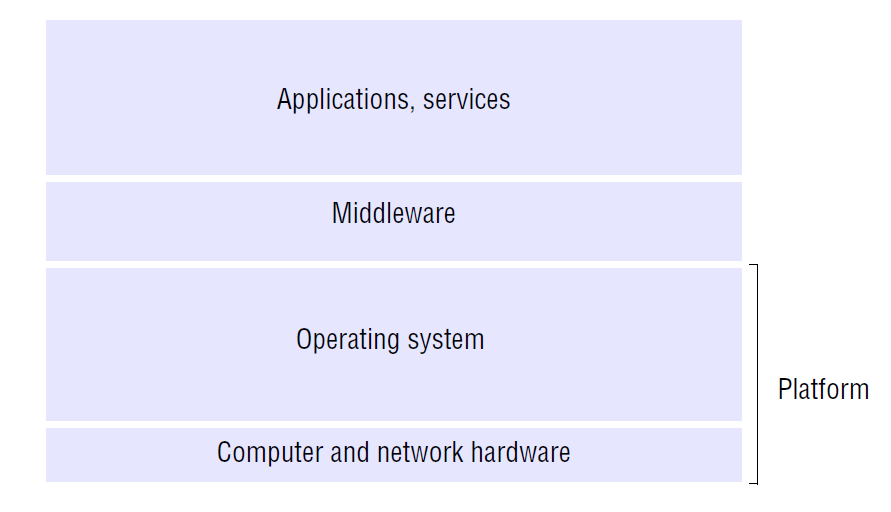
Other examples include cloud computing services like Amazon Web Services (AWS) or game development engines like Unity. They provide the fundamental tools and infrastructure so that creators and businesses can build their own products on top.
Platforms as Business Models
A platform business model is designed to bring together two or more distinct groups of users and enable them to interact. The platform itself doesn't create the product or service being exchanged. It simply creates the marketplace and the rules for the exchange.
A platform is a business model that enables value-creating interactions between two or more parties—usually consumers and producers.
Ride-sharing apps are a classic example. They connect people who need a ride with people who are willing to give one. The app company doesn't own the cars or employ the drivers as traditional employees. It just runs the platform that makes the connection possible.
Other examples include:
- E-commerce marketplaces like eBay or Etsy, which connect buyers and sellers.
- Social media sites like Facebook or X, which connect users with content creators and advertisers.
- Video-sharing sites like YouTube, which connect video creators with viewers.
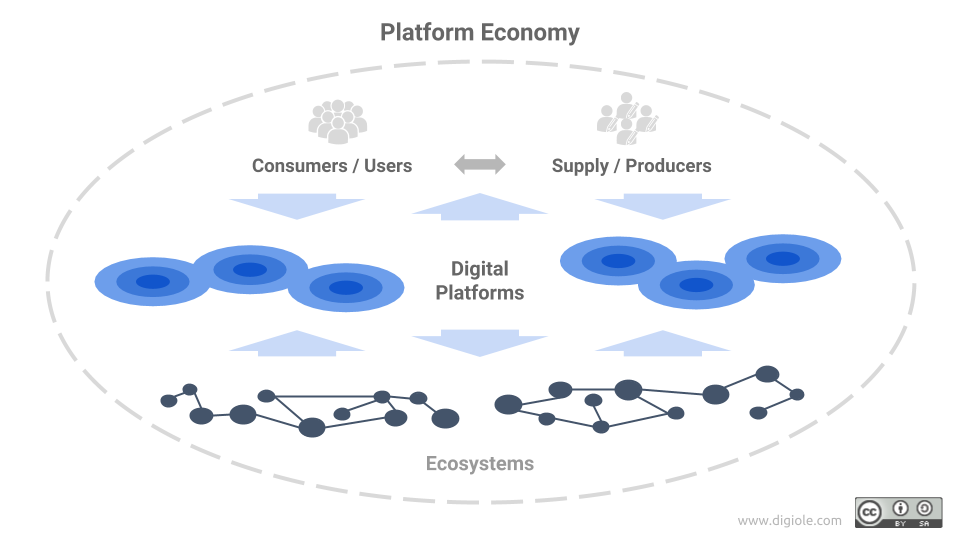
The power of a platform business model comes from the network effect. The more riders a ride-sharing app has, the more valuable it becomes for drivers. And the more drivers it has, the more valuable it is for riders.
Two Sides of the Same Coin
Sometimes, a company can be both. Amazon is a perfect example. Its e-commerce site is a platform business model that connects millions of sellers with buyers. At the same time, Amazon Web Services (AWS) is a massive technological platform that thousands of other companies use to build and run their own applications.
Understanding this distinction is key. A technological platform is a foundation to build on. A platform business model is a space to connect in.
Now, let's check your understanding of these core concepts.
What is the primary function of a technological platform?
Which of the following is the best example of a platform business model?