Understanding Plaster Walls
Introduction to Plaster Walls
What Is Plaster?
At its core, plaster is a building material used for the protective or decorative coating of walls and ceilings. It starts as a wet paste and hardens into a solid, smooth surface when it dries. Think of it as a skin for the rough skeleton of a building, hiding the brick, stone, or wood frame underneath.
plaster
noun
A soft mixture of lime with sand or cement and water for spreading on walls, ceilings, or other structures to form a smooth hard surface when dried.
Unlike modern drywall, which comes in pre-made sheets, plaster is applied on-site by skilled artisans. The result is a seamless, durable wall that can last for centuries. It provides excellent sound insulation and has a unique, high-quality feel that's hard to replicate.
A Quick Trip Through Time
Plaster isn't a modern invention. Its history stretches back thousands of years. Ancient Egyptians used early forms of plaster made from calcined gypsum to coat the walls of their tombs and palaces. The Romans also perfected lime plaster techniques, using it to create durable surfaces for their elaborate frescoes and buildings.
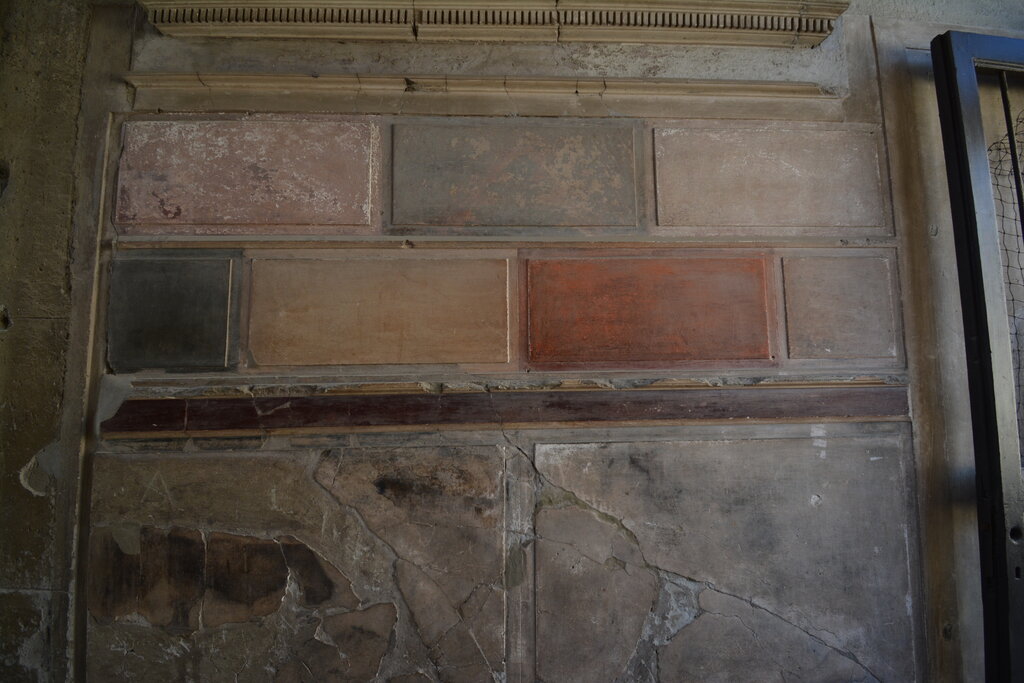
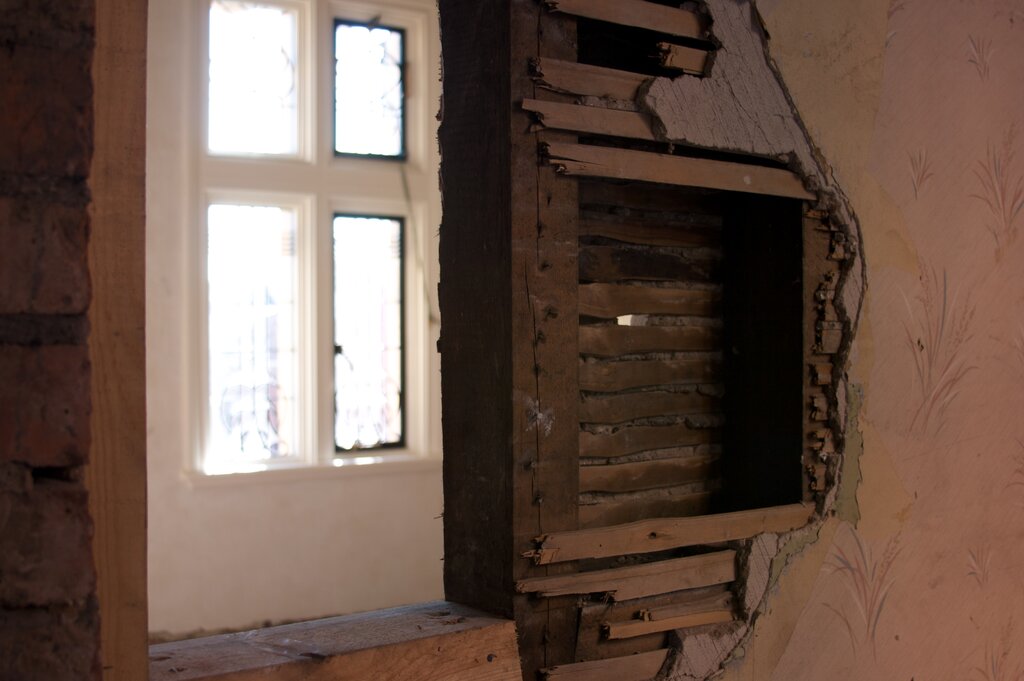
For centuries, plaster was the go-to material for finishing interiors. In a technique called lath and plaster, thin strips of wood (lath) were nailed to the wall studs, leaving small gaps in between. Plaster was then applied over the lath, pushing through the gaps to create a “key” that held it firmly in place. This method created strong, thick walls that were a hallmark of quality construction.
It wasn't until the mid-20th century that plaster's reign began to fade with the rise of faster, cheaper drywall panels. However, plaster remains a superior finish in many ways and is still prized in historic restorations and high-end construction.
Types of Plaster
While the basic idea is the same, not all plaster is created equal. The material used as the binder changes its properties and best uses. The three most common types are gypsum, lime, and cement.
Gypsum Plaster: This is the most widely used interior plaster today. Made from gypsum rock, it sets relatively quickly and provides a smooth, hard finish. It's also known for its excellent fire-resistant properties.
Lime Plaster: The traditional choice for centuries, lime plaster is made by heating limestone. It's more breathable and flexible than gypsum plaster, allowing moisture to escape from walls. This makes it ideal for older buildings, as it helps prevent trapped moisture and decay.
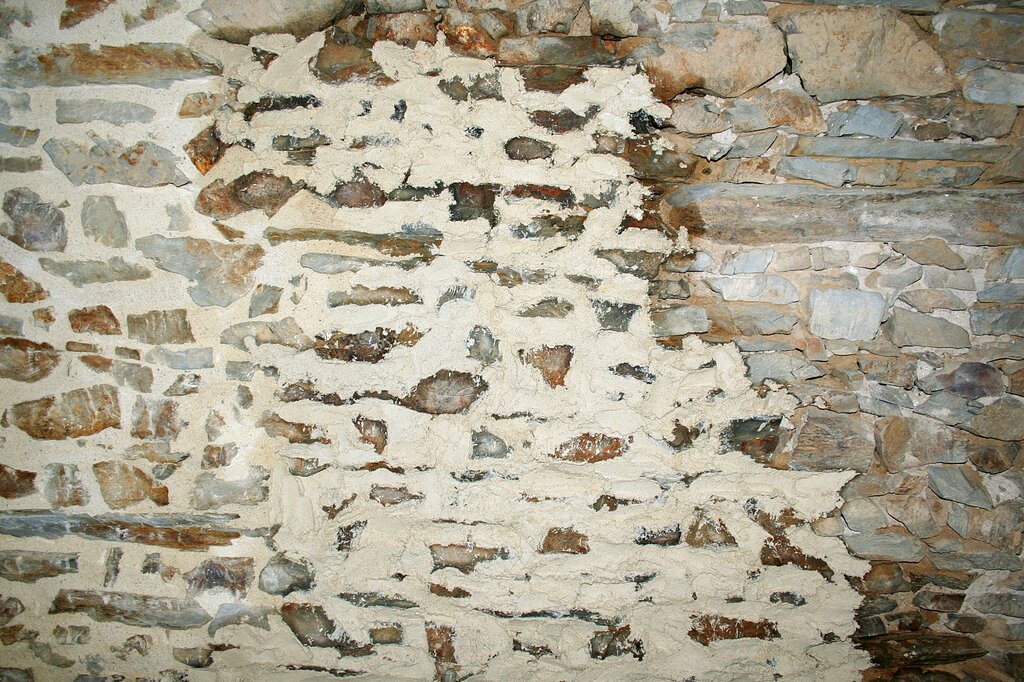
Cement Plaster: A mixture of Portland cement, sand, and water, this type of plaster is exceptionally strong and durable. Due to its high strength and moisture resistance, it's often used for exteriors, a finish commonly known as stucco. It's also used for interior walls in damp areas like basements or bathrooms.
| Plaster Type | Base Material | Key Properties | Common Use |
|---|---|---|---|
| Gypsum | Gypsum Rock | Fast-setting, fire-resistant, smooth | Modern interior walls & ceilings |
| Lime | Limestone | Breathable, flexible, slow-curing | Historic buildings, natural construction |
| Cement | Cement, Sand | Very strong, durable, water-resistant | Exteriors (stucco), damp interiors |
Now that you know the basics of what plaster is, its history, and its main types, let's test your knowledge.
What is the primary difference between how traditional plaster and modern drywall are installed?
In the 'lath and plaster' technique, what is the function of the lath?