Understanding Penis Size Perception
Understanding Genital Self-Image
How You See Yourself
Genital self-image is your personal perception of your own genitals. It’s not just about the physical facts of size or shape, but about how you feel about them. This internal view is shaped by a mix of thoughts, emotions, and beliefs.
Think of it like any other aspect of body image. Two people can have very similar physical features, but one might feel confident while the other feels insecure. The difference isn't in their bodies, but in their minds. Our perception is often a stronger force than reality itself.
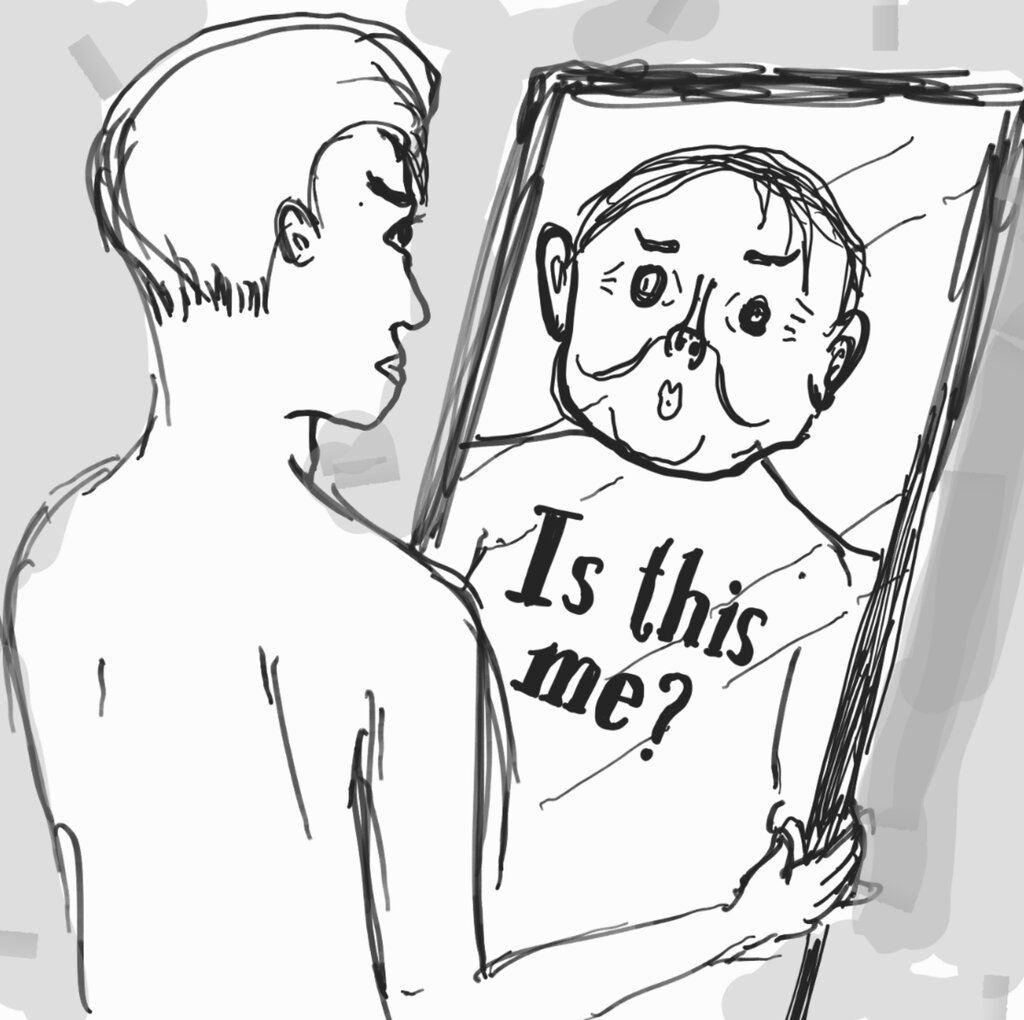
This gap between what's real and what we perceive can have a significant impact. When our genital self-image is negative, it can be a source of anxiety and stress, even if there is nothing anatomically unusual.
The Psychology of Perception
Several psychological factors influence how we see our genitals. One of the biggest is social comparison. We naturally compare ourselves to others, but when it comes to genitals, these comparisons are often based on unreliable sources or imagined ideals.
Anxiety and low self-esteem can also play a major role. Someone already struggling with self-worth may fixate on their genitals as a source of their negative feelings. This can create a cycle where poor body image lowers self-esteem, which in turn worsens body image.
In some cases, this can lead to a condition called body dysmorphic disorder (BDD), where a person becomes obsessed with a perceived flaw in their appearance that is minor or not observable to others. For some men, this manifests as a preoccupation with penis size, sometimes called small penis anxiety.
Media and Cultural Messages
The world around us sends powerful messages about what bodies should look like. Movies, advertising, and especially pornography often present a very narrow and unrealistic standard of beauty. The frequent depiction of larger-than-average genitals can make average, healthy bodies seem inadequate.
These portrayals create a cultural script that many people internalize without realizing it. We start to believe that this idealized version is the norm, when in fact, human bodies are incredibly diverse. There is a wide range of shapes and sizes that are all perfectly normal and healthy. When media only shows one type, it erases the reality of this diversity.
A healthy body image comes from accepting natural diversity, not from chasing an unrealistic, media-driven ideal.
Impact on Life and Relationships
How you feel about your genitals can seep into other areas of your life. A negative genital self-image can lower overall self-esteem, making you feel less confident in social situations and relationships.
It has a particularly strong effect on sexual well-being. If you're worried about how you look, it’s difficult to be present and enjoy the moment during sex. This anxiety can lead to performance issues or avoidance of intimacy altogether. Conversely, a positive and accepting view of your body can lead to greater confidence and satisfaction.
Understanding your body, your desires, and what makes you feel good can enhance your sexual experiences.
Genital dissatisfaction is a common experience. Studies have shown that a significant percentage of men, for instance, are unhappy with their penis size, even when their size falls well within the normal anatomical range. This highlights that the issue is often rooted in perception, not reality. Recognizing this is a crucial step toward building a healthier self-image.
Now, let's review what we've covered.
Genital self-image is primarily determined by:
The media's portrayal of genitals often contributes to negative self-image by presenting a standard that is:
Your feelings about your body are personal, but they are also shaped by the world around you. Understanding these influences is the first step toward building confidence and self-acceptance.