Understanding Originalism in Constitutional Law
Introduction to Constitutional Law
The Blueprint of a Nation
The U.S. Constitution is the foundational rulebook for the American government. It lays out not just what the government can do, but more importantly, what it cannot do. Think of it as the blueprint for a very complex machine, with specific instructions for how each part should work with the others.
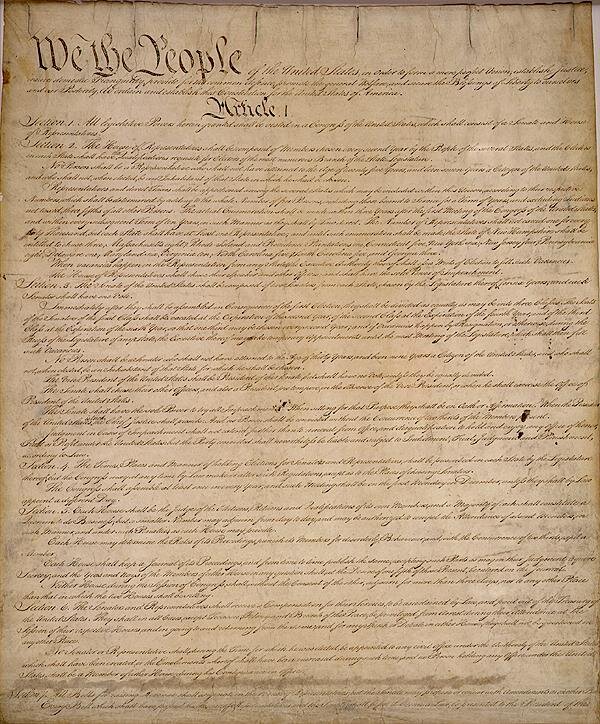
The document is organized into a few key parts. It starts with the Preamble, which is a short mission statement explaining why the Constitution was written in the first place—to create a better, more stable, and fairer country.
After the Preamble come seven Articles. These are the main instructions. The first three are the most famous because they set up the three main parts, or branches, of the federal government.
Article I creates the Legislative Branch (Congress). Article II creates the Executive Branch (the President). Article III creates the Judicial Branch (the Supreme Court and lower courts).
The remaining articles cover how states should interact with each other, how to amend the Constitution, and declare it the supreme law of the land. Finally, we have the Amendments. The first ten are called the Bill of Rights, which protect individual freedoms like speech and religion. Over time, more amendments have been added to address the country's changing needs.
Three Branches, One Government
To prevent any single person or group from gaining too much power, the Constitution divides the government's authority into three distinct branches. This idea is called the separation of powers.
Each branch has a clear and primary job. Congress, composed of the House of Representatives and the Senate, is responsible for writing and passing laws. The President leads the executive branch, which is in charge of carrying out and enforcing those laws. The judicial branch, led by the Supreme Court, interprets the laws and resolves legal disputes, ensuring that laws are applied fairly and are consistent with the Constitution.
A System of Checks and Balances
Separating powers is a good start, but the framers of the Constitution wanted an extra layer of protection against tyranny. They created a system of checks and balances, which gives each branch the ability to limit, or "check," the power of the other two. This forces the branches to cooperate and prevents any one from becoming dominant.
Here are a few key examples of how this works:
- Congress can pass a law, but the President can veto it.
- If the President vetoes a law, Congress can override the veto with a two-thirds vote in both houses.
- The President appoints Supreme Court justices, but the Senate must confirm them.
- The Supreme Court can declare a law passed by Congress and signed by the President unconstitutional, rendering it void.
This intricate dance of power sharing ensures that major decisions are made with broad agreement and careful consideration.
Federalism
The final major structural principle is federalism. This is the idea that power is divided not just between branches, but between different levels of government: the national (federal) government and the state governments.
The Constitution gives certain powers exclusively to the federal government, like the power to declare war and coin money. Other powers are left to the states, such as managing schools and local elections. Some powers are even shared. This creates a dual system of authority where both levels of government have their own responsibilities.
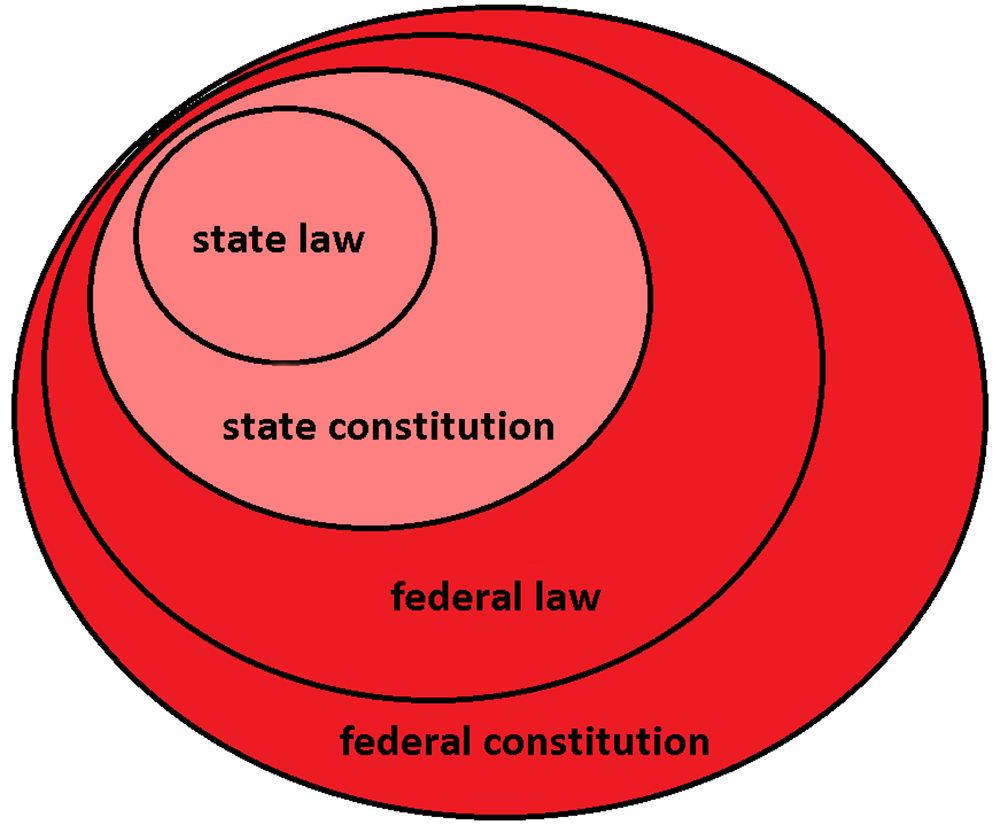
However, when there's a conflict between a federal law and a state law, the Constitution's Supremacy Clause makes it clear that federal law prevails. This structure was a careful compromise, designed to create a strong national government while preserving the power and independence of the states.
Let's check your understanding of these foundational principles.
The first three Articles of the U.S. Constitution are most famous for establishing what?
According to the principle of separation of powers, which branch of the U.S. government is primarily responsible for interpreting laws and resolving legal disputes?
These principles—separation of powers, checks and balances, and federalism—are the interlocking gears that make the U.S. government run. They create a system that is designed to be both powerful and limited, stable yet adaptable.