Understanding Organizational Structures
Introduction to Organizational Structures
What Is an Organizational Structure?
An organizational structure is a blueprint for how a company, team, or any group works together. It defines who does what, who reports to whom, and how all the different pieces of the organization connect to achieve a common goal. Think of it like the frame of a house. It's not the part you see every day, like the paint or the furniture, but it provides the essential support that holds everything up and gives the building its shape.
Without a clear structure, work can become chaotic. People might duplicate efforts, important tasks might be forgotten, and decision-making can grind to a halt. A well-designed structure allocates tasks, coordinates activities across different departments, and establishes clear lines of authority for supervision. This ensures everyone is pulling in the same direction.
A well-designed corporate structure is essential for the success of any organization, as it facilitates communication, supports decision-making, and enhances accountability.
Structure Shapes Performance
The way an organization is structured has a direct impact on its performance. A logical structure clarifies roles and responsibilities, so employees know exactly what they are accountable for. This reduces confusion and improves efficiency. When everyone understands their part, they can focus on doing their best work.
Structure also dictates how information flows. In some organizations, communication moves strictly up and down a chain of command. In others, it flows more freely between teams and departments. The right communication flow depends on the organization's goals. A creative agency might need a fluid structure that encourages brainstorming across teams, while a military unit requires a rigid, hierarchical structure for clear and immediate command.
The structure isn't just a chart on a wall; it's the nervous system of the organization, determining how it thinks, acts, and responds.
Structure and Operating Models
An organization's structure is closely tied to its operating model. An operating model is the high-level plan for how a business delivers value to its customers. It's the how of the business—how it makes its products, serves its clients, and generates revenue.
The organizational structure is the framework that supports and enables this operating model. For example, a company that competes on innovation needs a structure that empowers small, agile teams to experiment and make decisions quickly. In contrast, a company that competes on low-cost, high-volume production needs a highly standardized and centralized structure to maximize efficiency.
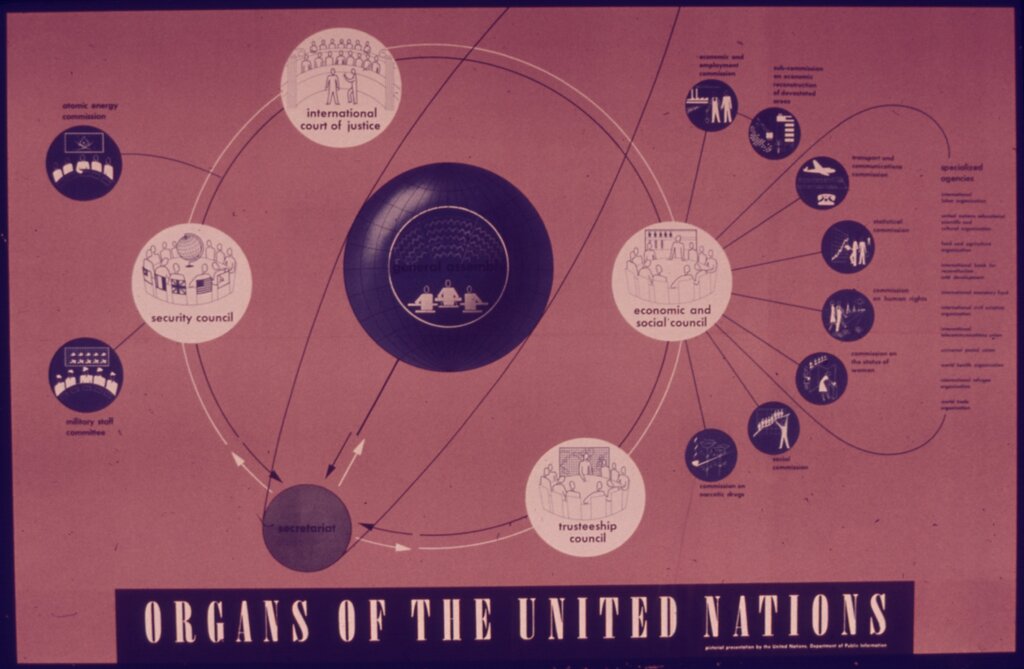
If the structure and the operating model are misaligned, the organization will struggle. It would be like trying to win a Formula 1 race with a vehicle built for off-roading. The vehicle's structure simply doesn't support the goal. The right structure brings an operating model to life.
Let's check your understanding of these foundational concepts.
What is the primary function of an organizational structure?
An organization's structure and its operating model must be aligned for the business to succeed.