Understanding Nuclear Weapons and Global Security
Historical Development
The Dawn of the Atomic Age
The story of nuclear weapons begins with a race against time. During World War II, the United States launched the Manhattan Project, a top-secret enterprise of unprecedented scale. Its sole purpose was to develop a functional atomic bomb before Nazi Germany could. The project drew upon the brightest minds in science and engineering, establishing massive, clandestine facilities across the country.
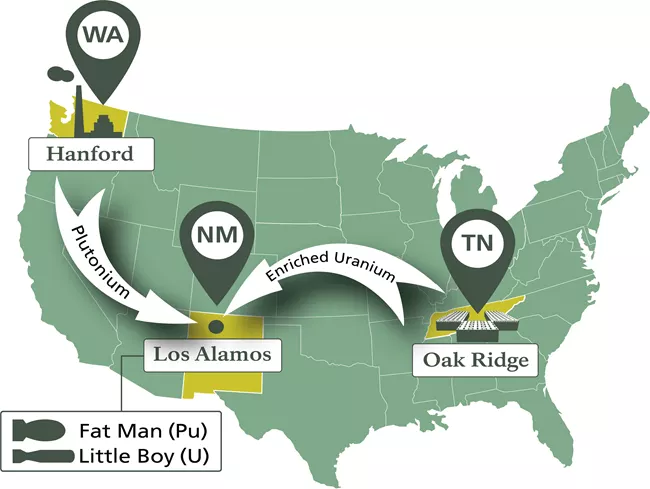
At facilities like Oak Ridge, Tennessee, scientists worked to enrich uranium, while at Hanford, Washington, they produced plutonium. These materials were then shipped to a remote laboratory in Los Alamos, New Mexico, where teams worked to design and build the weapons themselves. The theoretical physics was daunting, but the engineering challenges were just as immense.
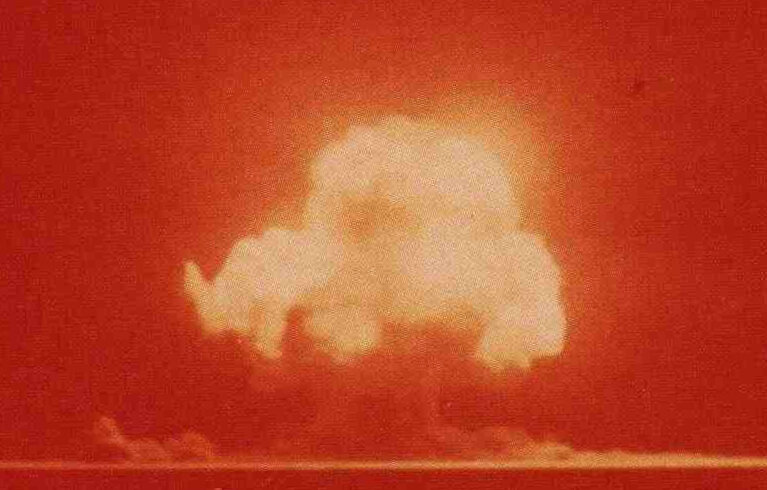
The project culminated on July 16, 1945, in the desolate landscape of the New Mexico desert. The Trinity test was the world's first detonation of a nuclear weapon, unleashing a power never before seen on Earth. The successful test proved the atomic bomb was no longer a theoretical concept.
A New Kind of Warfare
With the war in Europe over, the conflict in the Pacific raged on. U.S. leaders, facing the prospect of a costly invasion of Japan, made the fateful decision to use the new weapon. On August 6, 1945, an American B-29 bomber dropped an atomic bomb on the city of Hiroshima. Three days later, a second bomb was dropped on Nagasaki.
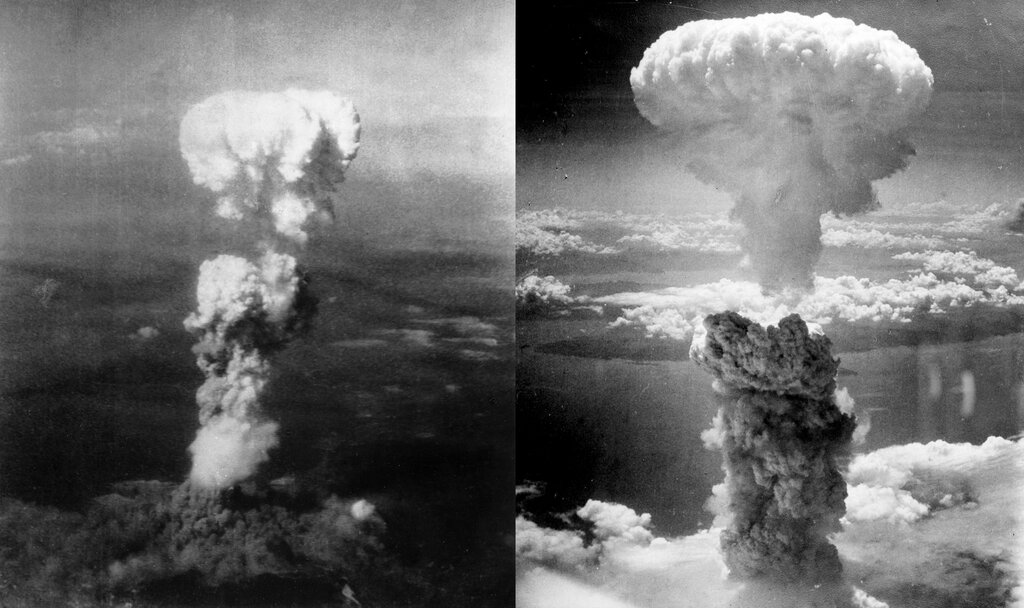
The devastation was absolute. The two bombs killed hundreds of thousands of people, most of them civilians, and flattened the cities. Japan announced its surrender on August 15, officially ending World War II. The attacks ushered the world into the nuclear age, fundamentally changing the nature of warfare and international relations.
The Cold War Escalation
The American nuclear monopoly was short-lived. The Soviet Union, aided by espionage, detonated its own atomic bomb in 1949, sparking a tense and dangerous arms race. For the next four decades, the United States and the USSR competed to build larger and more powerful nuclear arsenals.
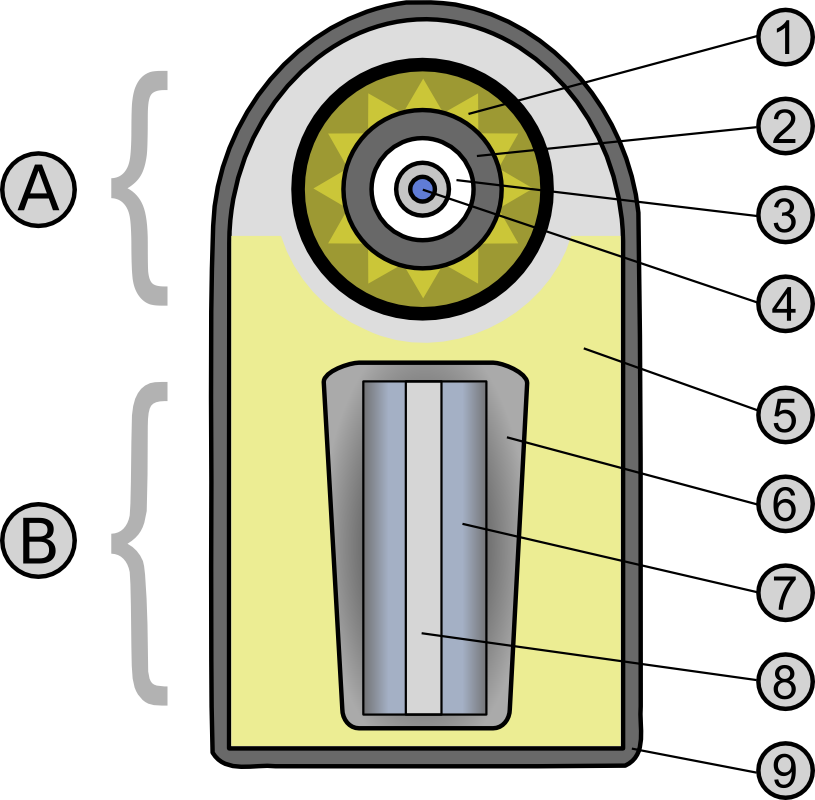
This competition led to the development of a new, far more destructive weapon: the thermonuclear bomb, or hydrogen bomb. Unlike fission bombs, which split heavy atomic nuclei, fusion bombs force light nuclei together, releasing vastly more energy. The U.S. tested its first thermonuclear device, "Ivy Mike," in 1952. The Soviets followed with their own test a year later.
The doctrine of Mutually Assured Destruction (MAD) emerged. Each side knew that a nuclear attack would be met with a devastating retaliatory strike, resulting in the annihilation of both attacker and defender. This grim logic created a fragile stability, but the world lived under the constant threat of nuclear war.
At the same time, nuclear technology began to spread. This process, known as proliferation, saw several other nations develop their own nuclear capabilities.
| Country | Year of First Test |
|---|---|
| United States | 1945 |
| Soviet Union | 1949 |
| United Kingdom | 1952 |
| France | 1960 |
| China | 1964 |
| India | 1974 |
| Pakistan | 1998 |
| North Korea | 2006 |
The World Pushes Back
The relentless pace of the arms race involved thousands of nuclear tests, conducted by multiple countries at sites around the globe. These tests, many of which occurred in the atmosphere, released significant amounts of radioactive fallout, raising global concerns about the environmental and health consequences.
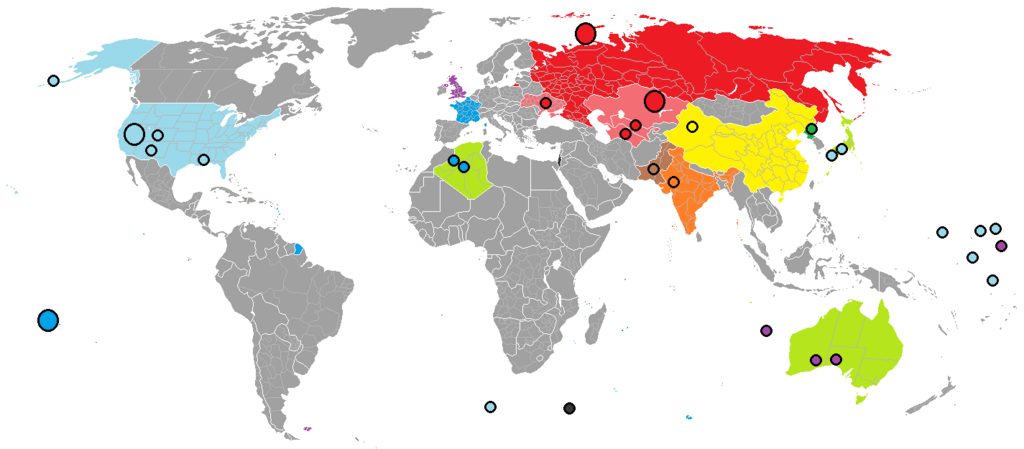
Growing public alarm and diplomatic pressure led to a series of landmark arms control agreements. The goal was to slow the arms race and prevent the further spread of nuclear weapons.
Key treaties include:
- Partial Test Ban Treaty (1963): Prohibited all nuclear test detonations except for those conducted underground.
- Nuclear Non-Proliferation Treaty (NPT) (1968): A cornerstone of non-proliferation, it committed non-nuclear states to not acquire weapons, and nuclear states to pursue disarmament.
- Strategic Arms Limitation Talks (SALT) and Strategic Arms Reduction Treaties (START): A series of bilateral agreements between the U.S. and the Soviet Union/Russia to limit and reduce the size of their strategic arsenals.
- Comprehensive Nuclear-Test-Ban Treaty (CTBT) (1996): Bans all nuclear explosions for both civilian and military purposes. While not yet formally in force, it has established a powerful international norm against testing.
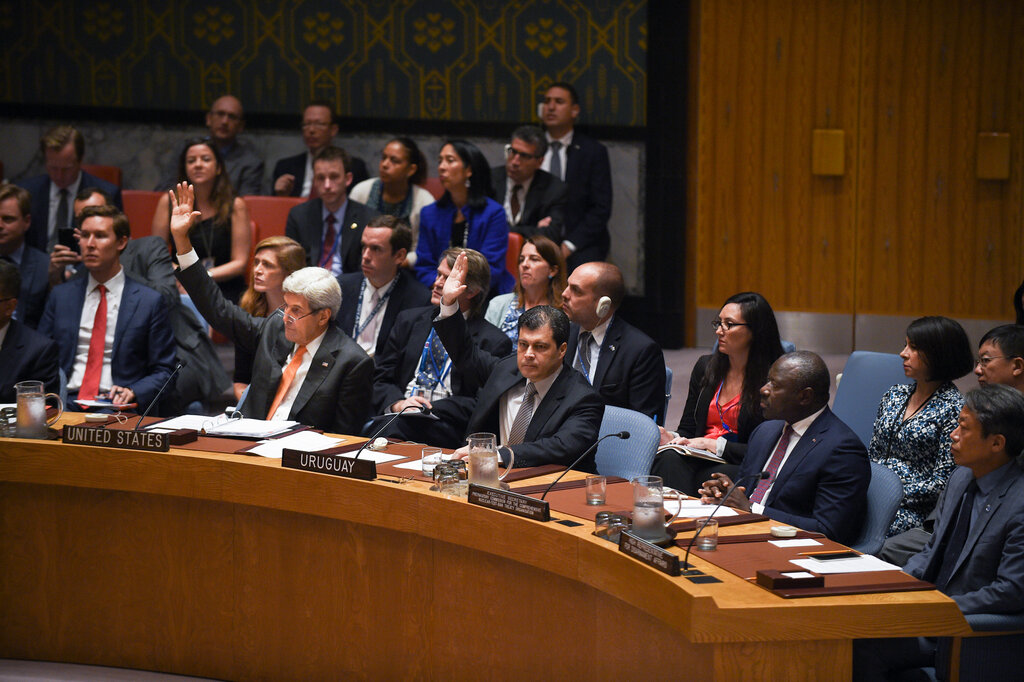
These agreements helped to de-escalate Cold War tensions and have significantly reduced the number of nuclear weapons in the world from its peak. However, the challenges of non-proliferation, disarmament, and ensuring the security of existing stockpiles remain critical global issues.
What was the primary motivation for the United States to initiate the Manhattan Project?
The thermonuclear (or hydrogen) bomb, developed after the first atomic bombs, releases energy through which process?
The development and spread of nuclear weapons have profoundly shaped the course of modern history, creating both unprecedented threats and a powerful incentive for international cooperation.