Understanding Network Classes
Introduction to IP Addressing
Digital Addresses on the Internet
Every device connected to a network needs a unique address, just like every house on a street needs a unique address for mail delivery. In the world of computer networks, this is called an Internet Protocol (IP) address. It’s a logical address that allows devices to find and communicate with each other, whether they're across the room or across the globe.
Understanding IP addressing is the absolute foundation of network communication.
The most common format you'll see is IPv4 (Internet Protocol version 4). An IPv4 address is a series of four numbers separated by periods. Each number can range from 0 to 255.
For example, an IP address might look like this: 172.16.254.1.
Two Parts of an Address
An IP address isn't just one long, random number. It's split into two distinct parts: the Network ID and the Host ID.
Think of a home address again. If your address is "123 Main Street," the "Main Street" part identifies your neighborhood, while "123" points to your specific house on that street.
An IP address works the same way:
- Network ID: This part identifies the specific network the device is on. It’s like the street name.
- Host ID: This part identifies the specific device (like a computer, phone, or server) on that network. It’s like the house number.
The dividing line between the network and host portions isn't always in the same place. For some networks, the first number might identify the network, leaving the last three for hosts. For others, the first two or three numbers could identify the network. This flexibility allows for networks of different sizes.
How Routers Use IP Addresses
So, how does this two-part address help get data where it needs to go? That's the job of a router. A router is like a mail sorting office for the internet.
When a router receives a packet of data, it only looks at the Network ID part of the destination IP address. It doesn't care about the specific host, only the destination network. Based on the network ID, the router forwards the packet in the right general direction, passing it along to the next router that's closer to the final network.
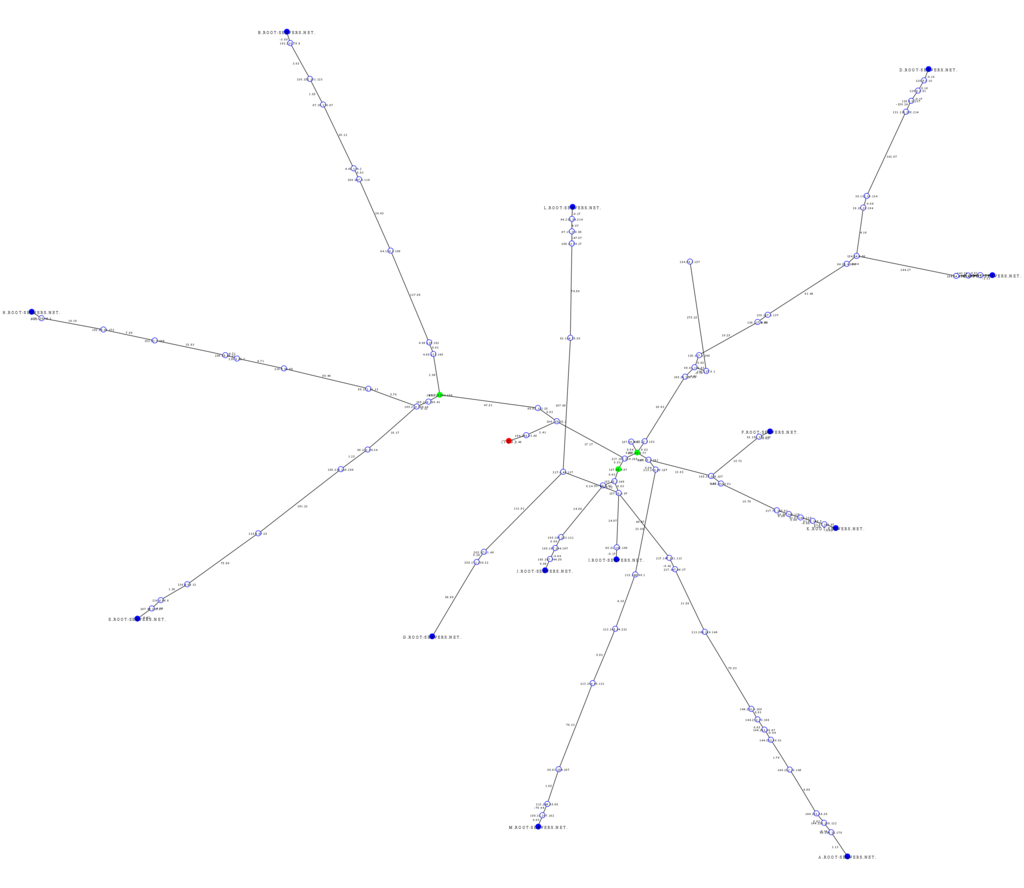
This process repeats from router to router across the internet. Once the packet finally arrives at the correct destination network, that network's own equipment uses the Host ID part of the address to deliver the packet to the specific device it was meant for.
The Network ID gets your data to the right neighborhood. The Host ID gets it to the right house.
This simple but powerful system of addressing is what allows billions of devices to exchange information seamlessly across the vast, interconnected web of networks that we call the internet.
What are the two main components of an IP address?
Using the analogy of a home address like '123 Main Street', which part of an IP address is comparable to 'Main Street'?