Understanding Net Working Capital
Introduction to Working Capital
What Is Working Capital?
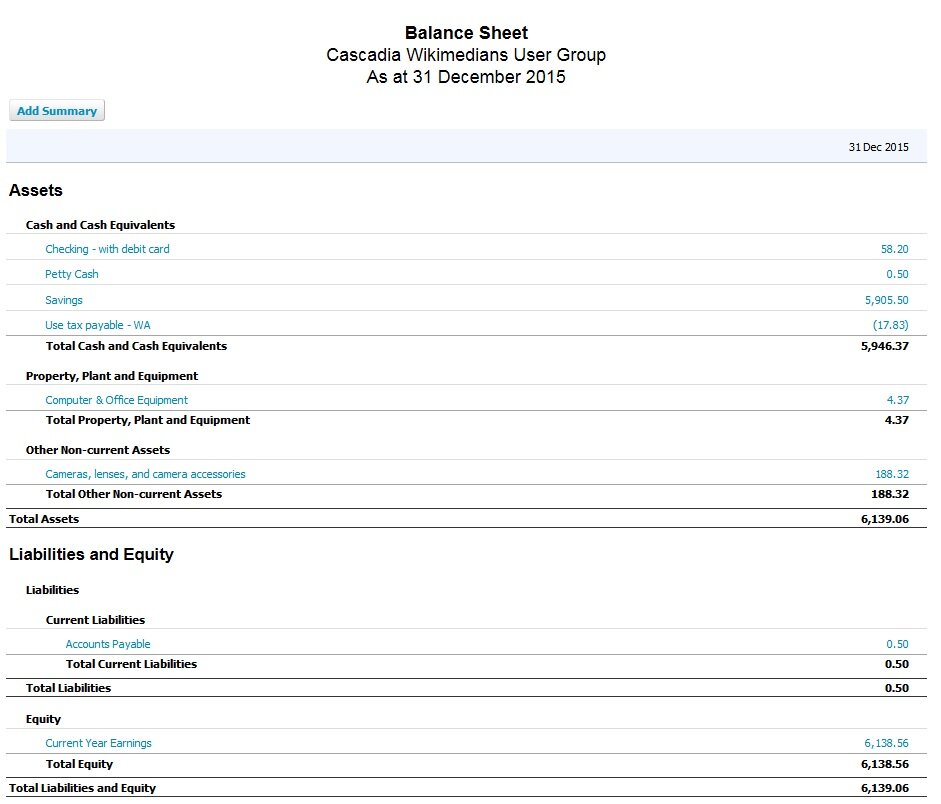
Think about your personal finances for a moment. You have cash in the bank and maybe some money people owe you. You also have bills to pay soon, like rent and credit card payments. The difference between the money you have readily available and the bills you need to pay soon is a good measure of your short-term financial health.
Businesses do the same kind of calculation. They call it working capital. It’s a simple snapshot of a company's ability to handle its day-to-day operations.
Working Capital
noun
The difference between a company's current assets and its current liabilities. It is a measure of a company's short-term liquidity and operational efficiency.
To understand working capital, you just need to know two things: current assets and current liabilities.
Current Assets are resources a company expects to convert into cash within one year. This includes:
- Cash itself
- Accounts Receivable: Money owed to the company by its customers.
- Inventory: The raw materials and finished goods the company plans to sell.
Current Liabilities are obligations the company needs to pay within one year. This includes:
- Accounts Payable: Money the company owes to its suppliers.
- Short-term Debt: Loans or other debt payments due within the year.
- Wages and taxes due soon.
A Health Check for Business
Working capital tells you if a company has enough short-term assets to cover its short-term debts. The calculation is straightforward.
A positive working capital figure means a company can pay its bills. It suggests good financial health and operational efficiency. Lenders and investors see this as a good sign.
A negative working capital figure can be a red flag. It might mean the company could struggle to meet its short-term obligations, potentially leading to financial distress or even bankruptcy. However, some business models, like those of grocery stores or fast-food chains that get cash from customers immediately but pay suppliers later, can operate successfully with negative working capital.
A Simple Example
Let’s look at a small bakery. Here’s a simplified breakdown of its current assets and liabilities.
| Category | Item | Amount |
|---|---|---|
| Current Assets | Cash in the register | $2,000 |
| Accounts Receivable (from a catering order) | $1,000 | |
| Inventory (flour, sugar, etc.) | $3,000 | |
| Total Current Assets | $6,000 | |
| Current Liabilities | Accounts Payable (to flour supplier) | $1,500 |
| Short-term loan payment | $500 | |
| Total Current Liabilities | $2,000 |
Using the formula, the bakery's working capital is:
The bakery has $4,000 in positive working capital. This means it has enough resources on hand to cover its immediate debts and then some, giving it a cushion for daily operations.
In short, working capital is the lifeblood of a business, fueling its everyday activities.
Now that you understand the basics, let's test your knowledge.
What is the correct formula for calculating working capital?
Which of the following would be classified as a current liability for a business?
Understanding working capital is the first step in analyzing a company's short-term financial position. It provides a quick and useful gauge of its ability to navigate the near future.