Understanding Modern Cybercrime
Cybercrime Categories
The Spectrum of Cyber Threats
Cybercrime isn't a single act but a vast landscape of illicit activities, each with distinct motives and methods. While the foundational goal is often exploitation, the targets and tactics vary wildly. Understanding these categories is the first step in grasping the complex ecosystem of digital threats, moving beyond simple definitions to see how different forms of attack interconnect.
Follow the Money
Financial cybercrime is the most direct form of digital attack. It targets money and financial instruments, from individual bank accounts to large-scale payment systems. This includes everything from classic credit card fraud, where stolen details are used for unauthorised purchases, to sophisticated attacks that drain online banking accounts. These criminals are often part of organised groups that operate like businesses, constantly refining their techniques to bypass security measures. The stolen data, like credit card numbers, is often sold in bulk on underground marketplaces, fuelling a secondary economy of fraud.

A common scenario involves phishing emails that trick a user into entering their banking credentials on a fake website. Once the attacker has these details, they can access the account, transfer funds, or apply for credit in the victim's name. The speed of these transactions makes recovery difficult.
Data as the New Gold
Not all cybercrime is about immediate financial gain. Often, the target is data itself. Data breaches involve unauthorised access to sensitive information held by an organisation. This could be customer lists, employee records, or other confidential information. The stolen data has value, whether sold to competitors, used for blackmail, or released publicly to damage a company's reputation.
This stolen information directly fuels another major category: identity theft. Armed with names, addresses, birth dates, and national insurance numbers from a data breach, criminals can impersonate victims. They might open new bank accounts, take out loans, or file fraudulent tax returns. The consequences for the victim can be devastating and long-lasting, requiring significant effort to clear their name and credit history.
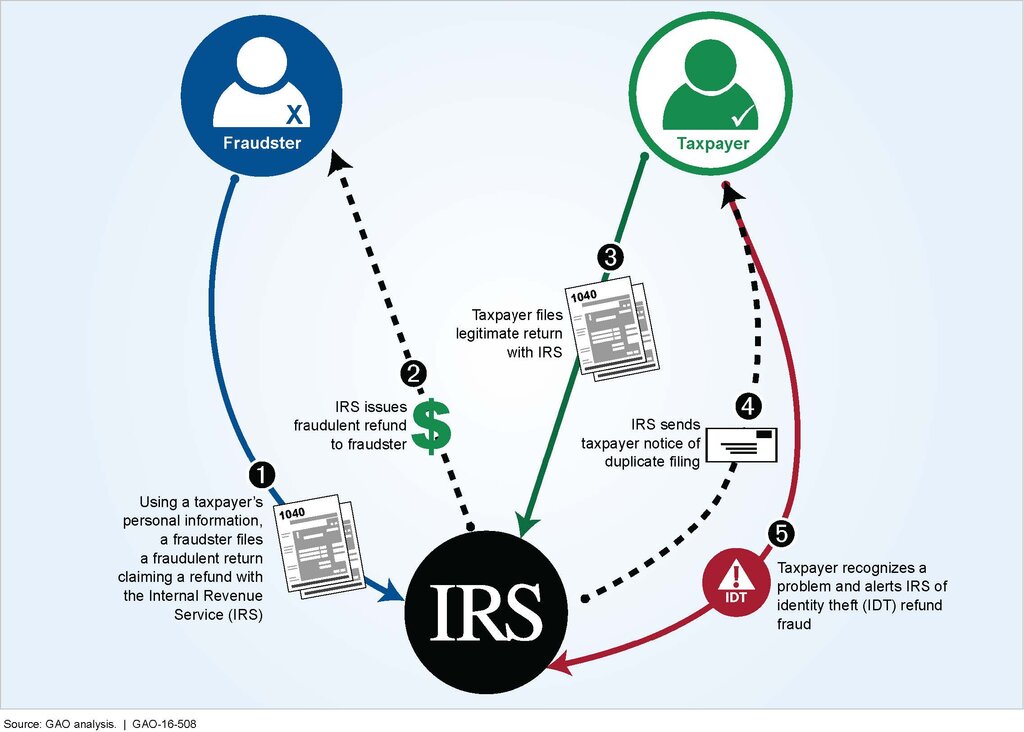
Another facet of data-focused crime is the theft of intellectual property (IP). This targets a company's most valuable secrets: product designs, proprietary source code, manufacturing processes, and customer data. Competitors or foreign entities may orchestrate these attacks to gain a competitive advantage without investing in research and development. The loss of IP can cripple a business, erasing years of innovation overnight.
The High-Stakes Game
At the highest level is state-sponsored cyber espionage. Here, the attackers are not individuals or criminal gangs, but national governments or groups working on their behalf. Their goals are political, military, or economic. They might seek to steal state secrets, disrupt critical infrastructure like power grids and financial markets, or influence public opinion in another country.
These operations are typically carried out by highly sophisticated groups known as (APTs). They use custom-built tools and maintain long-term, stealthy access to their targets' networks, quietly exfiltrating data over months or even years. Their level of resources and patience sets them apart from ordinary cybercriminals.
The lines between these categories are often blurred. A state-sponsored group might engage in financial crime to fund its operations, or a data breach by a criminal gang could be sold to a foreign intelligence agency.
The Business of Cybercrime
The cybercrime landscape has also evolved commercially. We now see specialised services that lower the barrier to entry for aspiring criminals. One of the most prominent examples is Ransomware as a Service (RaaS). Here, developers create and maintain ransomware tools and then lease them to affiliates. The affiliates carry out the attacks, and the developers take a cut of the ransom payments.
This model means that an attacker doesn't need deep technical skills to launch a devastating ransomware campaign. They just need the funds to pay for the service. This has led to a proliferation of ransomware attacks targeting everyone from small businesses to hospitals and city governments.
Dark Web marketplaces are the engine room of the cybercrime economy. They function much like legitimate e-commerce sites, with seller ratings, customer support, and even money-back guarantees. This professionalisation of cybercrime makes it a persistent and adaptable threat.
What is the primary motivation behind financial cybercrime?
How does a data breach most directly enable identity theft?
Each category of cybercrime presents unique challenges, but they are all interconnected parts of a larger digital ecosystem. Understanding their distinctions and relationships is crucial for navigating the modern threat landscape.