Understanding Mental Health
Introduction to Mental Health
What is Mental Health?
Mental health is a core part of our overall well-being. It’s not just about the absence of a mental illness. Think of it like physical health. Being physically healthy isn't just about not having a cold; it's about having the energy and strength to live your life fully. Mental health works the same way.
Mental health encompasses our emotional, psychological, and social well-being, affecting how we think, feel, and act.
It shapes how we handle stress, relate to others, and make choices. This involves three key areas:
- Emotional well-being: This is about understanding and managing your emotions. It includes the ability to cope with both positive and negative feelings in a healthy way.
- Psychological well-being: This relates to how you think and feel about yourself and the world. It involves having a sense of purpose, self-acceptance, and a positive outlook.
- Social well-being: This covers your relationships and connections with others. It's about feeling a sense of belonging, contributing to your community, and maintaining supportive relationships.
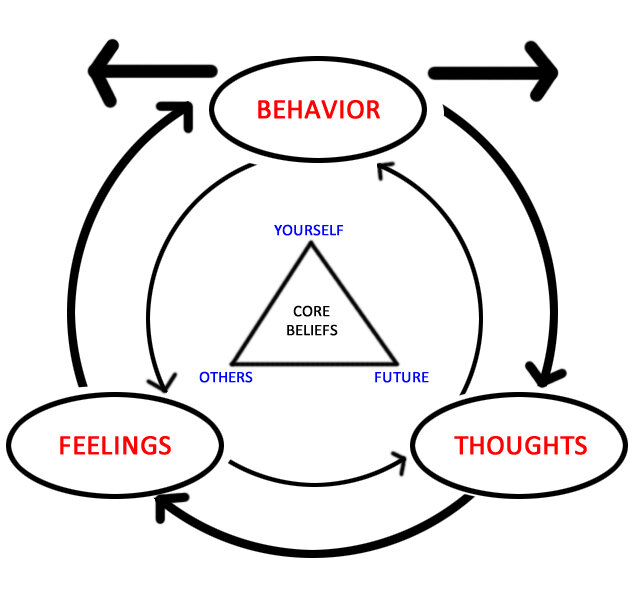
Why It Matters
Just like physical health, mental health is important at every stage of life, from childhood and adolescence through adulthood. It provides the foundation for our thoughts, emotions, and interactions.
A healthy mental state allows us to:
- Cope with the stresses of life
- Be physically healthy
- Have good relationships
- Make meaningful contributions to our community
- Work productively
- Realize our full potential
Looking after our mental health is a continuous process. It's about building resilience, developing healthy habits, and recognizing when we might need support, much like we do for our physical bodies.
Understanding Mental Illness
Sometimes, a person's mental health can be affected by a mental illness. These are health conditions involving changes in emotion, thinking, or behavior. Mental illnesses are associated with distress and problems functioning in social, work, or family activities.
It's important to know that mental health and mental illness are not the same thing. Someone can experience poor mental health without having a diagnosed mental illness. Conversely, a person with a mental illness can still experience periods of high mental well-being.
Mental illnesses can range from mild to severe and can affect anyone, regardless of age, gender, or background. They are medical conditions, not character flaws. Recognizing this distinction is a key step toward understanding and empathy.
Mental health is best described as:
Having a sense of purpose, self-acceptance, and a positive outlook relates primarily to which area of well-being?