Understanding MCP
Understanding MCP
What is Modified Citrus Pectin?
You’ve likely heard of pectin as the ingredient that thickens jams and jellies. It’s a naturally occurring complex carbohydrate, or polysaccharide, found in the cell walls of plants. Citrus fruits are particularly rich in it.
Modified Citrus Pectin (MCP) starts as this same natural pectin but undergoes a process to change its structure. Scientists use specific enzymes or pH changes to break down the long, complex chains of pectin molecules into shorter, simpler ones. This modification is key, as it makes the pectin more easily absorbed into the bloodstream.
The main difference between regular pectin and MCP is molecular size. The smaller chains of MCP allow it to interact with the body in ways that larger pectin molecules cannot.
Sources and Mechanisms
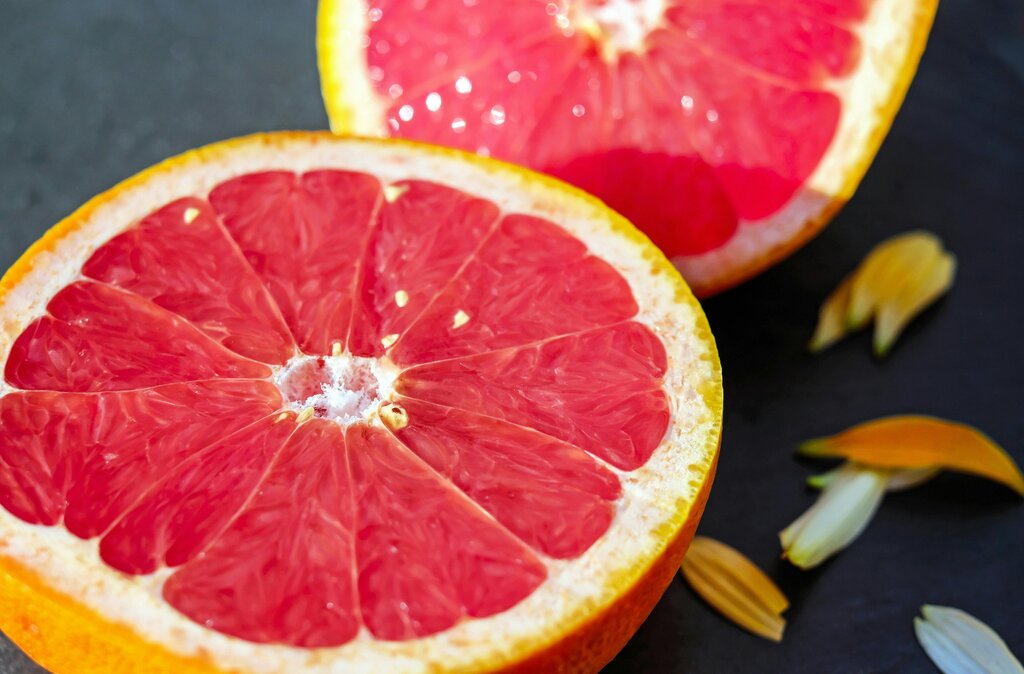
MCP is derived from the peel and pith of citrus fruits. This includes lemons, limes, oranges, and grapefruits. While you get some regular pectin from eating these fruits, you can't get MCP directly from your diet because the modification process doesn't happen naturally or during normal digestion. MCP is only available as a dietary supplement.
Once absorbed, MCP's primary mechanism of action involves its ability to bind to certain proteins in the body. Its most notable target is a protein called galectin-3.
Galectin-3 is found on the surface of many cells and plays a role in cell growth, adhesion, and signaling. By binding to galectin-3, MCP can block its normal activity. Think of it like putting a cover over a keyhole, preventing the wrong key from being used.
Additionally, because it's a form of soluble fiber, any MCP that isn't absorbed into the bloodstream can still have effects within the digestive system, similar to other dietary fibers.
Let's check your understanding of these core concepts.
What is the primary structural difference that allows Modified Citrus Pectin (MCP) to be more easily absorbed by the body compared to regular pectin?
Modified Citrus Pectin (MCP) primarily exerts its effects in the bloodstream by binding to which specific protein?