Understanding MCP
Introduction to Methamphetamine
A Man-Made Stimulant
Methamphetamine is a powerful, man-made stimulant that directly affects the central nervous system. Think of the nervous system as the body's command center. Stimulants kick that command center into high gear, increasing alertness, attention, and energy.
At its core, methamphetamine is a chemical. Its structure is very similar to another well-known stimulant: amphetamine. The key difference is a small addition to its molecular makeup.
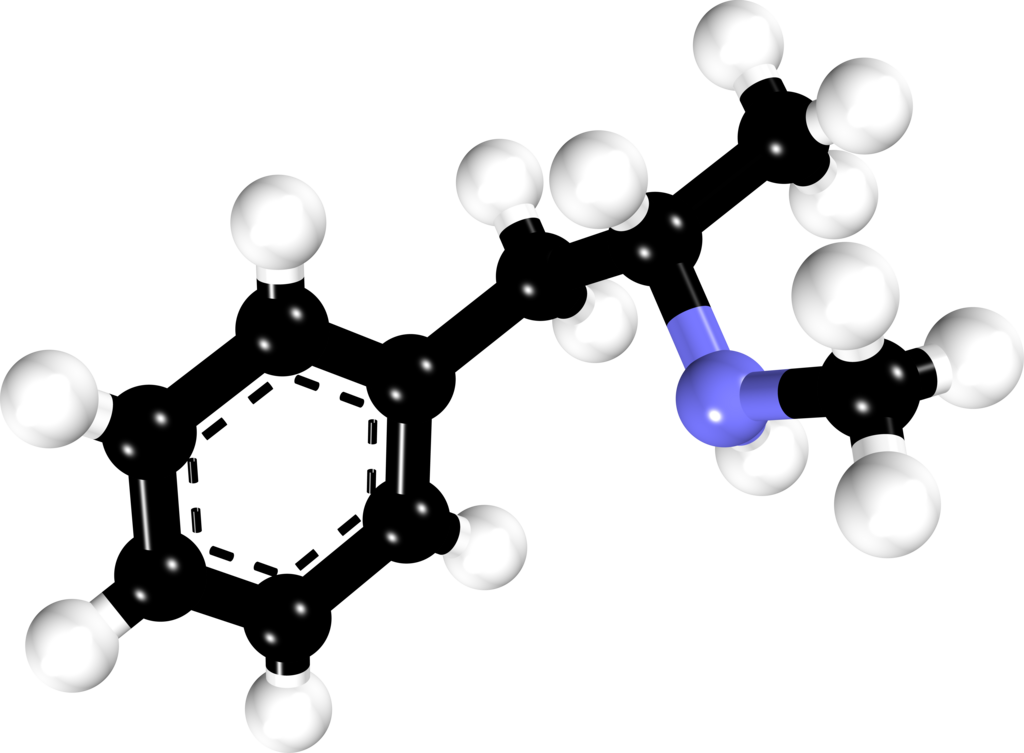
The name itself gives us a clue. The "meth" in methamphetamine refers to a methyl group, which is a tiny cluster of one carbon and three hydrogen atoms (). Scientists took the basic amphetamine molecule and added this methyl group. It might seem like a small change, but it has a huge impact. This addition allows methamphetamine to cross the blood-brain barrier much more easily than amphetamine. The result is a more potent, faster-acting, and more powerful substance.
From Lab to Medicine Cabinet
Methamphetamine wasn't discovered in nature. It was created in a lab. In 1893, Japanese chemist Nagai Nagayoshi first synthesized it from another natural stimulant called ephedrine. A couple of decades later, in 1919, another chemist, Akira Ogata, developed a way to create it in a crystal form, which made it easier to dissolve and use.
Its ability to banish fatigue and increase focus quickly caught the attention of military powers. During World War II, both Allied and Axis forces distributed methamphetamine tablets to soldiers to help them stay awake and alert during long, grueling missions.
After the war, the drug's journey took a turn from the battlefield to the pharmacy.
In the 1950s, methamphetamine was marketed in the United States under the brand name Methedrine. It was available as a legal, non-prescription drug and was promoted for a surprisingly wide range of uses. Doctors prescribed it as a diet aid because it suppresses appetite. It was also used to treat narcolepsy, a sleep disorder, and even as a nasal decongestant in inhalers.
For a time, it was seen as a versatile fix for common ailments, from low energy to weight gain. However, as its high potential for abuse and addiction became clear, its medical use became increasingly restricted.
What key chemical feature distinguishes methamphetamine from amphetamine, making it more potent?
During which major global conflict was methamphetamine widely distributed to soldiers on both sides to keep them awake and alert?