Understanding MCLs in Drinking Water
Introduction to Drinking Water Standards
The Rules for Clean Water
When you turn on your faucet, you expect the water to be safe. That safety isn't an accident. In the United States, it's the result of a major federal law called the Safe Drinking Water Act (SDWA), passed in 1974. This law gives the Environmental Protection Agency (EPA) the power to set national standards for drinking water to protect public health.
The EPA is the country's main environmental regulator. Under the SDWA, its job is to identify contaminants that could be in drinking water and set limits for them. The agency works with states and public water systems to make sure these standards are met. This involves a continuous process of research, regulation, and review to keep up with new scientific findings.
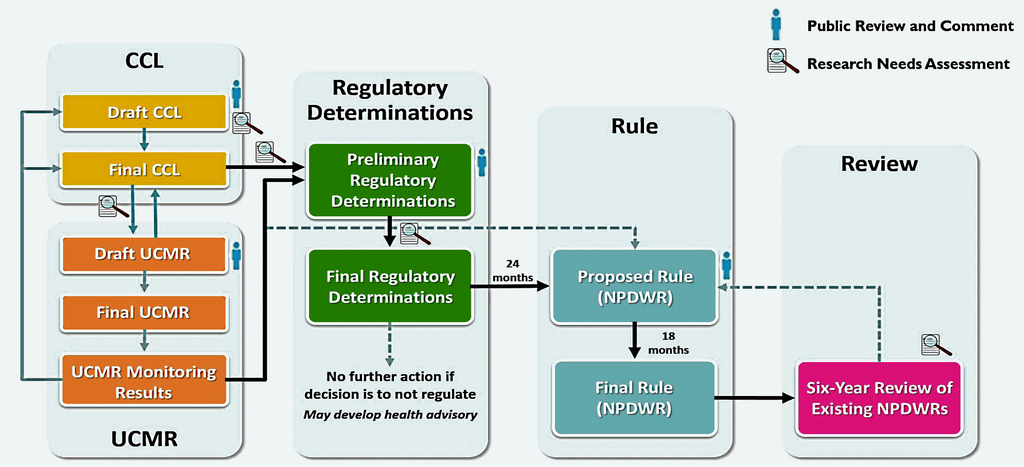
The core of these regulations are the specific limits placed on various contaminants. These limits are known as Maximum Contaminant Levels, or MCLs.
Maximum Contaminant Level
noun
The highest level of a contaminant that is allowed in drinking water. MCLs are set as close to the level at which no known or anticipated adverse health effects occur as is feasible.
The EPA sets these enforceable MCLs for things that can make people sick. But they also provide guidance for other issues. This splits the rules into two main categories: primary and secondary regulations.
Primary Health Protection
National Primary Drinking Water Regulations (NPDWRs) are the standards that really matter for your health. These are legally enforceable limits on contaminants that can cause adverse health effects. Public water systems must monitor for these contaminants and ensure their levels do not exceed the MCLs.
Contaminants covered by primary standards include things like:
- Microorganisms: Bacteria like E. coli and viruses that can cause immediate illness.
- Chemicals: Both naturally occurring substances like arsenic and man-made chemicals like pesticides.
- Radionuclides: Radioactive elements that can get into water supplies.
Primary standards are all about preventing waterborne diseases and long-term health problems from contaminated water.
Aesthetic and Technical Issues
Not all water problems are health threats. That's where National Secondary Drinking Water Regulations (NSDWRs) come in. These are non-enforceable guidelines for contaminants that may cause cosmetic or technical effects. Think of them as recommendations, not requirements.
Secondary standards address issues that might make the water look, smell, or taste unpleasant. For example, they cover:
- Iron and Manganese: Can cause a metallic taste and stain laundry or fixtures.
- Chloride and Sulfates: Can give the water a salty taste.
- pH: A measure of how acidic or basic the water is. If it's too far in either direction, it can corrode pipes.
While states can choose to enforce these secondary standards, the federal government does not require it. The goal is simply to provide guidance to water systems for managing these aesthetic qualities.
What is the primary purpose of the Safe Drinking Water Act (SDWA) of 1974?
A public water system discovers that its water has a high level of iron, which is staining laundry but poses no health risk. This issue falls under which category of regulations?
These two sets of regulations work together to ensure that tap water is not only safe to drink but also appealing to consumers.