Understanding Mastercard
Mastercard Origins
The Birth of a Rival
In the 1960s, the world of consumer credit was changing fast. Bank of America’s BankAmericard (the future Visa) was expanding across the United States through licensing agreements with other banks. This created a powerful, single-bank network that many in the industry saw as a competitive threat.
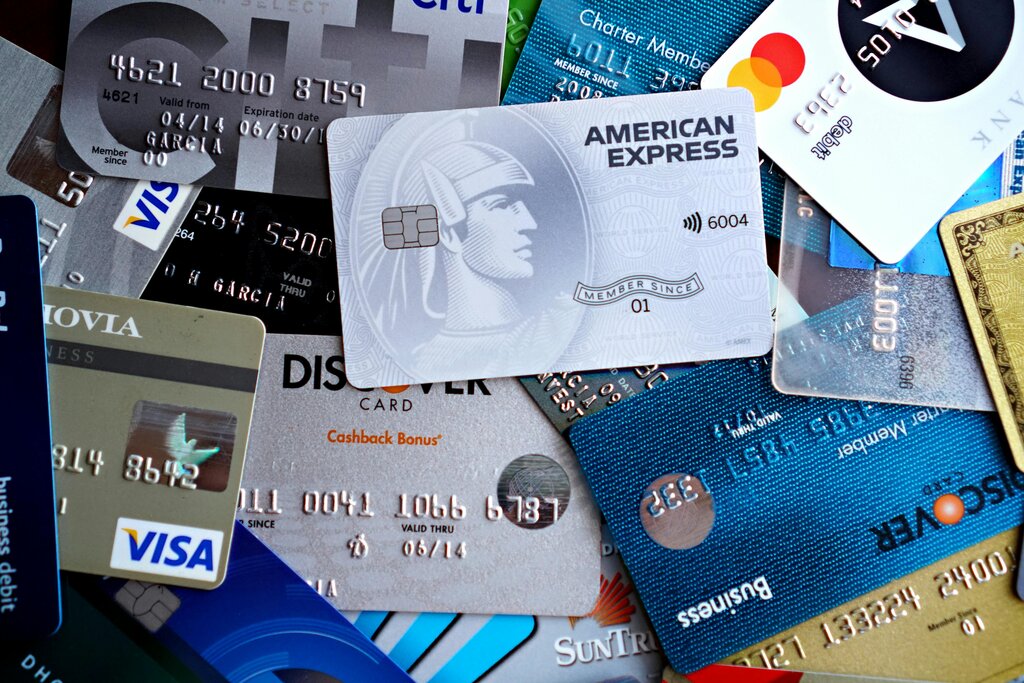
Rather than compete individually, a group of banks decided to join forces. In 1966, several major banks, including Wells Fargo, Crocker National Bank, and the Bank of California, formed the Interbank Card Association (ICA). Their goal was to create an open system where any member bank could issue cards and process payments, directly challenging BankAmericard’s dominance. This cooperative approach was the foundation of what would become a global payment giant.
From Master Charge to Mastercard
The ICA's first product was called "Master Charge: The Interbank Card." The name itself was acquired from the First National Bank of Louisville, Kentucky, which had established the Master Charge brand in 1967. By joining the ICA, they gave the new network a ready-made identity.
In 1968, the brand introduced its now-famous logo: two overlapping red and orange circles. This simple, memorable design was created to be easily recognizable in storefront windows, signaling to customers that their card would be accepted. It was a visual promise of convenience and reliability.
The name was officially streamlined to "Mastercard" in 1979. This change reflected the company's growing ambitions and its expansion beyond the borders of the United States.
Becoming a Global Network
Mastercard's international growth began almost immediately. A key early move was forming a strategic alliance with Eurocard in 1968. This partnership gave the network a vital foothold in the European market and allowed travelers to use their cards on both continents. It was the first of many such alliances.
Throughout the 1970s and 80s, the company expanded into Latin America, Asia, and Africa. These steps were crucial in building a truly worldwide acceptance network. The table below highlights some of the key milestones in this journey.
| Year | Milestone |
|---|---|
| 1966 | Interbank Card Association (ICA) is formed. |
| 1968 | Strategic alliance is formed with Eurocard. |
| 1979 | Master Charge is rebranded as Mastercard. |
| 1985 | Mastercard acquires the Cirrus ATM network. |
| 1987 | First Mastercard is issued in the People's Republic of China. |
| 1988 | First Mastercard card is issued in the Soviet Union. |
| 2006 | Mastercard holds its Initial Public Offering (IPO). |
For decades, Mastercard operated as a cooperative, essentially a non-profit association owned by the thousands of financial institutions that issued its cards. This structure ensured that the network served the collective interests of its members.
MasterCard is one of the leaders in the payments industry.
However, to better compete and innovate in a rapidly changing financial world, the company underwent a major transformation. In 2002, it transitioned from a cooperative to a private share corporation. This restructuring culminated in its Initial Public Offering (IPO) on May 25, 2006. Becoming a publicly-traded company gave Mastercard greater independence from its member banks and access to capital markets, fueling further growth and innovation.
Let's review the key events in Mastercard's history.
Now, check your understanding of how Mastercard was formed and grew into a global powerhouse.
What was the primary motivation for the formation of the Interbank Card Association (ICA), the precursor to Mastercard?
The name "Master Charge: The Interbank Card" was created by a branding agency specifically for the new network.
From a simple alliance of banks to a publicly-traded global technology company, Mastercard's history is one of strategic evolution in response to a changing world.