Understanding Market Flows in Stocks and Crypto
Understanding Market Flows
What Are Market Flows?
Think of a financial market like a large container of water. The water level represents the price of an asset, like a stock or a cryptocurrency. Market flows are the taps and drains controlling this water level. They represent the movement of money into and out of different assets.
Market Flow
noun
The movement of capital into (inflow) or out of (outflow) a specific financial asset, sector, or entire market.
An inflow happens when investors buy an asset, pouring money into it and increasing the buying pressure. This is like turning on the tap. For example, if many investors suddenly start buying Bitcoin, there is a large inflow into the Bitcoin market.
A_n outflow is the opposite. It occurs when investors sell an asset, pulling money out and increasing selling pressure. This is like opening the drain. If a major shareholder of a company sells a large block of their shares, it creates a significant outflow.
Why Flows Matter
Market flows are a direct expression of supply and demand. A strong, sustained inflow means demand is high, which typically pushes the asset's price up. Conversely, a large outflow signals that supply is overwhelming demand, often causing the price to fall.
This dynamic also has a major impact on liquidity. Liquidity is how easily you can buy or sell an asset without causing a big swing in its price. Markets with high flows, meaning lots of buying and selling, are generally more liquid. This makes it easier for investors to enter or exit positions quickly. In a market with low flows, a single large trade can have a much bigger impact on the price, making it riskier.
High flows often lead to high liquidity and more stable prices, while low flows can result in volatility and difficulty in trading.
Gauging Market Sentiment
Beyond just price and liquidity, flows offer a window into the collective mindset of investors, known as market sentiment. Are investors feeling bullish and confident, or are they bearish and fearful? By tracking where the money is going, we can get a sense of the market's mood.
For example, a consistent flow of capital out of stocks and into traditionally safer assets like government bonds might suggest that investors are worried about an economic downturn. In the crypto world, a large flow from smaller, more speculative altcoins into established players like Bitcoin or Ethereum could indicate a 'flight to safety' within the digital asset space.
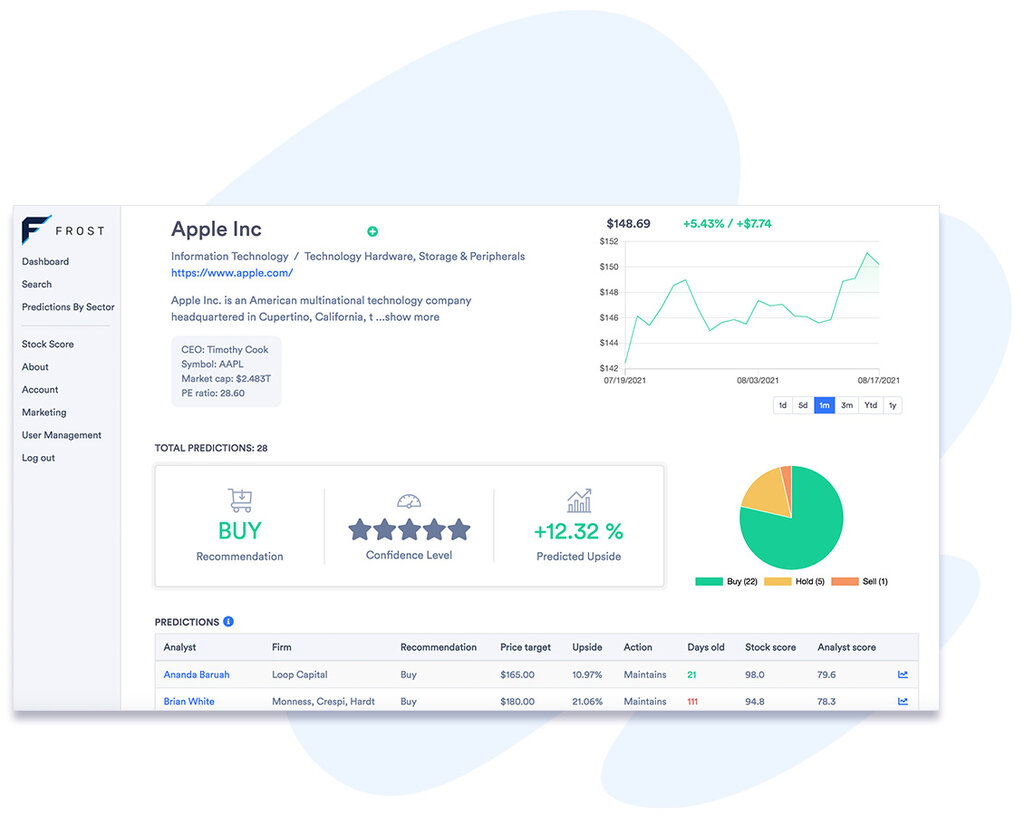
Analyzing these movements helps traders and investors anticipate potential market shifts. If you notice large, institutional investors starting to pour money into a particular sector, it might signal an emerging trend. Conversely, if insiders at a company are consistently selling their shares (creating outflows), it could be a red flag for other investors.
Smart money moves occur when institutional investors strategically enter or exit positions, often influencing market trends.
Let's test your understanding of these core concepts.
Using the analogy of a container of water to represent a financial market, what does a market 'inflow' correspond to?
A sustained, significant outflow of capital from a specific cryptocurrency is most likely to lead to which outcome?
By understanding market flows, you gain a clearer picture of the forces moving prices and shaping investor behavior.