Understanding Marijuana A Comprehensive Overview
Introduction to Marijuana
What is Marijuana?
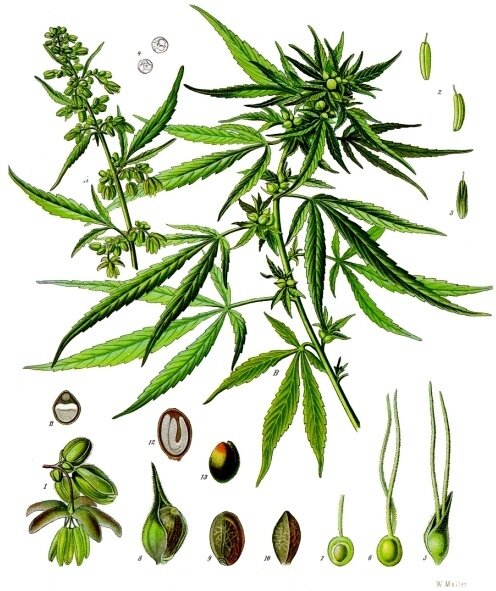
Marijuana refers to the dried flowers, leaves, stems, and seeds from the Cannabis sativa or Cannabis indica plant. It contains mind-altering compounds and is used for both recreational and medicinal purposes. The primary psychoactive component, the substance that affects brain function, is tetrahydrocannabinol, or THC.
Common Names
You've probably heard marijuana called by many different names. Slang terms like weed, pot, grass, and herb are common. The term cannabis is also used frequently, especially in more formal or scientific contexts. While these terms are often used interchangeably, they all refer to the same plant.
Cannabis
noun
A genus of flowering plants in the family Cannabaceae. The plant is used for its psychoactive and therapeutic effects, as well as for industrial purposes like hemp fiber.
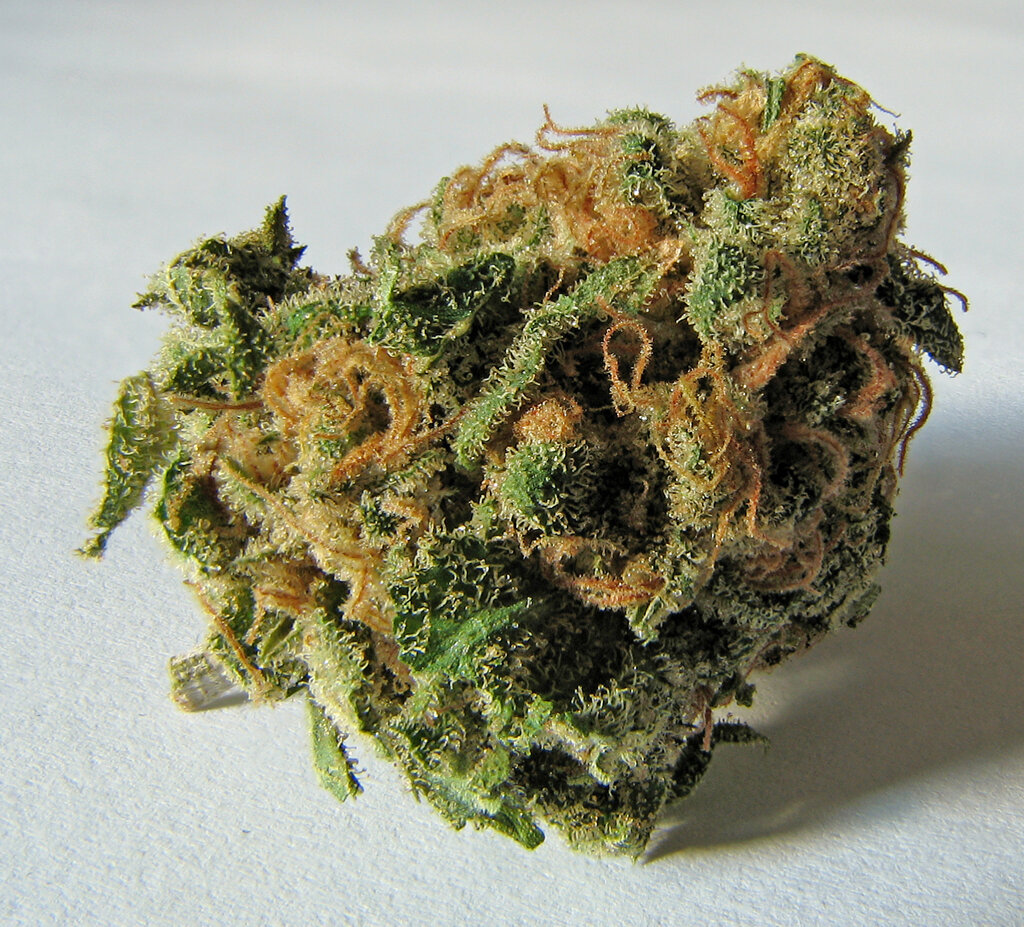
The part of the plant most commonly used is the flower, often called a "bud." These buds contain the highest concentration of active compounds.
Forms of Consumption
People use marijuana in several different ways. The method of consumption can influence the intensity and duration of the effects.
Smoking is one of the most traditional methods. The dried flowers are rolled into a cigarette (a "joint") or put into a pipe or bong and smoked.
Another popular form is edibles. This involves infusing food or drinks with cannabis extracts. Brownies, gummies, and teas are common examples. The effects of edibles take much longer to begin compared to smoking, typically 30 minutes to two hours, but they also tend to last longer.
Finally, there are concentrates. These are highly potent extracts like oils, waxes, or shatters, which contain a much higher percentage of THC than dried flowers. Concentrates are most commonly vaporized, a process that involves heating the substance without burning it and inhaling the resulting vapor. This method is often called "vaping" or "dabbing."
| Method | Onset Time | Duration |
|---|---|---|
| Smoking/Vaping | Seconds to minutes | 1-3 hours |
| Edibles | 30 minutes to 2 hours | 4-8 hours or more |
| Tinctures (under the tongue) | 15-45 minutes | 4-6 hours |
Each of these methods offers a different experience, which is an important consideration for users.