Understanding Male Anatomy and Sexual Health
Male Reproductive Physiology
The Mechanics of Erection
An erection is fundamentally a hydraulic event, driven by blood flow. The penis contains three columns of erectile tissue. Two of these are the corpora cavernosa, which are twin chambers of spongy tissue that run along the top and sides. The third is the corpus spongiosum, a smaller chamber that runs along the underside and contains the urethra, the tube for both urine and semen. It also forms the glans, or the head of the penis.
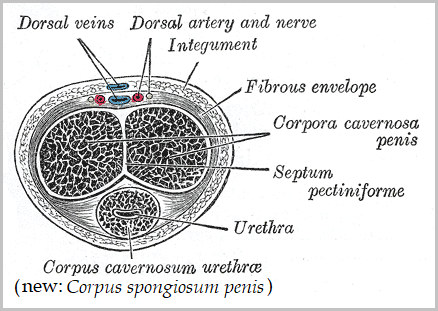
When not aroused, the arteries supplying these tissues are constricted, limiting blood flow, and the penis remains flaccid. The process of becoming erect, known as tumescence, begins with sexual stimulation—either physical or psychological. This triggers a complex series of neural and chemical signals that dramatically change the circulatory dynamics within these tissues.
The key is trapping blood, not just pumping it in. The pressure of the incoming blood compresses the veins that normally drain the penis, preventing blood from leaving and thus maintaining the erection.
The Chemical Trigger
The primary chemical messenger responsible for initiating an erection is (NO). In response to nerve signals from the brain and local nerves, endothelial cells lining the blood vessels in the penis release NO into the smooth muscle of the corpora cavernosa. This gas molecule is a potent vasodilator, meaning it relaxes muscles and widens blood vessels.
Specifically, nitric oxide activates an enzyme called guanylate cyclase. This enzyme then produces cyclic guanosine monophosphate (cGMP), which acts as a second messenger. It is cGMP that directly causes the smooth muscle cells of the arteries and the corpora cavernosa to relax. This relaxation allows blood to rush in and fill the spongy tissue, causing the penis to become rigid and erect.
The Hormonal Blueprint
While erections are immediate vascular events, the underlying development and maintenance of male reproductive anatomy are governed by hormones. This regulation is controlled by the (HPG axis), a complex feedback loop between the brain and the testes.
It begins in the hypothalamus, which releases Gonadotropin-releasing hormone (GnRH). This hormone signals the pituitary gland to release two other hormones: Luteinizing hormone (LH) and Follicle-stimulating hormone (FSH). LH travels through the bloodstream to the testes, stimulating specialised cells (Leydig cells) to produce testosterone. Testosterone is the primary male sex hormone, responsible for the development of male during puberty. These include a deepening voice, growth of facial and body hair, increased muscle mass, and the growth of the reproductive organs.
The system self-regulates. As testosterone levels in the blood rise, it signals back to both the hypothalamus and pituitary gland to reduce their production of GnRH and LH, respectively. This negative feedback loop ensures hormone levels stay within a stable, healthy range.
The Spectrum of Normal
The final size and shape of the penis are determined by a combination of genetic and environmental factors. Genetics provides the fundamental blueprint, but factors during fetal development and puberty, such as nutrition and overall health, play a significant role in how that blueprint is expressed. Hormonal levels, particularly testosterone exposure in the womb and during puberty, are critical for growth.
Clinically, there is a very wide range of what is considered normal anatomical variation. Penile size, both flaccid and erect, varies significantly among healthy individuals. These variations are natural and rarely have any bearing on sexual function or urinary health. The focus of medical science is on function, not cosmetic size, establishing a clinical baseline that acknowledges this broad spectrum of normal human anatomy.
Anatomical variation is the rule, not the exception. The vast majority of individuals fall within a wide, healthy clinical range.
Let's review some of the key terms we've covered.
Now, test your understanding of these complex systems.
What is the primary chemical messenger responsible for initiating an erection by causing blood vessels to widen?
Which part of the penis contains the urethra and also forms the glans (head)?
Understanding these physiological mechanisms provides a clear, science-based foundation for male reproductive health, moving beyond myths to focus on the biological processes at work.