Understanding Major Depression
Introduction to Major Depressive Disorder
More Than Just Sadness
Everyone feels sad sometimes. It’s a normal reaction to loss, disappointment, or difficult situations. But Major Depressive Disorder, often just called depression, is different. It’s not a fleeting mood or a sign of weakness. It’s a persistent medical condition that affects how you feel, think, and handle daily activities.
Think of it like the weather. A bad day is like a rainstorm, it comes and goes. Depression, however, is like a long, overcast season. The gloom sticks around, coloring everything, and you can't just will it away.
Clinically, Major Depressive Disorder falls under a category of conditions known as mood disorders. These are illnesses that primarily affect a person's long-term emotional state.
mood disorder
noun
A psychological disorder characterized by the elevation or lowering of a person's mood, such as depression or bipolar disorder.
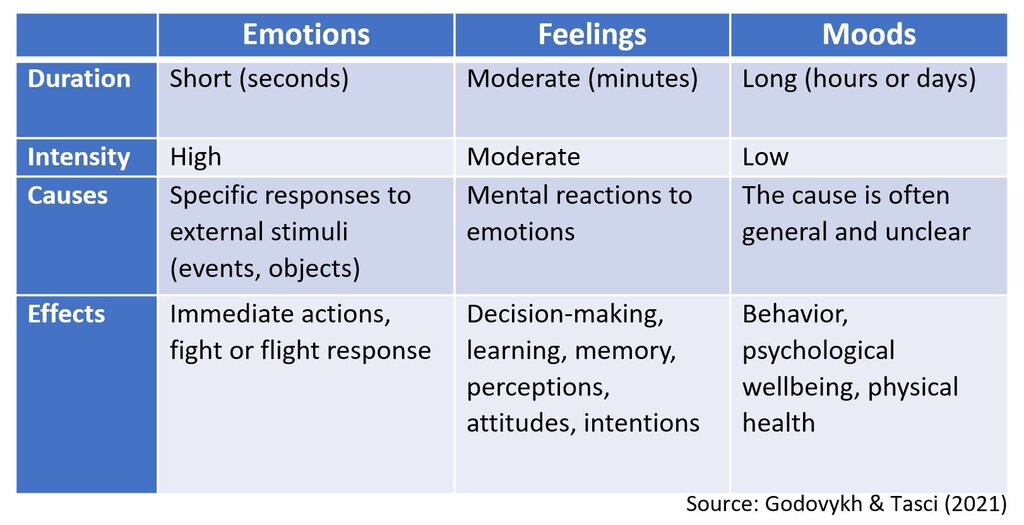
To understand a mood disorder, it helps to distinguish between emotions, feelings, and moods. Emotions are intense, immediate reactions to something specific, like fear when you see a spider. Feelings are our conscious experience of those emotions. Moods are more diffuse, lower-intensity states that last for hours or even days, lacking a clear, specific trigger. Depression disrupts this entire emotional landscape, creating a prolonged state of low mood that is difficult to escape.
A Widespread Condition
Major Depressive Disorder is one of the most common mental health conditions worldwide. It affects millions of people each year, crossing all lines of age, gender, race, and socioeconomic status. While it can appear at any age, it often first emerges during the late teens to mid-20s.
The prevalence means you almost certainly know someone who has experienced it, even if they haven't spoken about it openly. Its commonness doesn't make it any less serious, however. The impact can be profound, affecting every corner of a person's life.
The Ripple Effect
The impact of depression extends far beyond the individual. On a personal level, it can strain relationships with family and friends, make it difficult to perform at school or work, and diminish interest in hobbies and activities that once brought joy. The constant weight of a low mood can feel isolating and exhausting.
Societally, the effects are just as significant. Depression is a leading cause of disability across the globe, contributing to lost productivity in the workplace and placing a heavy burden on healthcare systems. The economic cost, from treatment expenses to reduced work output, is substantial. But the true cost is human, measured in the quality of life for those who live with the condition and the people who care about them.
One of the priorities is to move from simply describing psychiatric disorders to understanding how they develop.
Understanding the fundamentals of what depression is, and what it isn't, is the first step. It's not simply a bad mood, but a complex health condition with serious consequences for individuals and society as a whole.