Understanding LLM Knowledge Cutoffs
Data Curation Mechanics
The Digital Time Capsule
An LLM's knowledge is built on a foundation of data, but not the live, ever-changing internet. Instead, it's trained on a fixed, colossal snapshot of text and code. Think of it as a meticulously curated library built in a specific year. Everything inside is from that era, creating a static corpus. This 'snapshotting' is the first and most fundamental reason for the knowledge cutoff. The model's entire universe of information is defined by the contents of this dataset, frozen at the moment of its creation.
The sheer scale is staggering. We're talking about petabytes of raw data, trillions of words drawn from books, articles, websites, and code repositories. Capturing this isn't like taking a simple backup; it's a massive engineering effort that forms the basis of the model's understanding of language, facts, and concepts.
From Raw Web to Refined Data
The raw data from the web is a chaotic mess. It's filled with spam, boilerplate text, low-quality content, and duplicates. To be useful for training, this raw material must pass through a rigorous , a multi-stage process that filters, refines, and structures the information. This pipeline is the factory floor where the model's 'brain' is assembled.
Each stage in the pipeline—from removing duplicate pages to filtering out machine-translated nonsense—takes significant time and resources. This methodical cleaning is essential for building a coherent and reliable model, but it also introduces a crucial delay. The more thorough the curation, the longer it takes, and the further the dataset's 'present day' slips into the past.
The Common Crawl
One of the most significant sources for training data is the dataset. It's a non-profit effort to crawl and archive a massive portion of the public web. The data is released as periodic dumps, each one a snapshot of the web at that time. A model developer might choose to use the crawl from March 2023 as a primary source, immediately setting a hard limit on the model's awareness of subsequent events.
| Crawl Version | Release Date | Size (Compressed) |
|---|---|---|
| 2023-14 | April 2023 | 320 TB |
| 2023-23 | June 2023 | 340 TB |
| 2023-40 | October 2023 | 360 TB |
| 2024-10 | March 2024 | 430 TB |
As the table shows, these datasets are not live feeds. They are distinct, versioned releases. Choosing a version to build upon is a foundational decision that locks the project into a specific time frame.
The Quality vs Recency Trade-Off
This leads to the central dilemma of data curation: the trade-off between quality and recency. A 'dynamic corpus', or a live feed of the internet, would be perfectly up-to-date. However, it would also be an unfiltered firehose of low-quality, toxic, and unreliable information. Training a model on this would be disastrous.
High-quality, human-vetted data is essential for a reliable AI. But the process of vetting and cleaning this data inherently makes it a historical artefact.
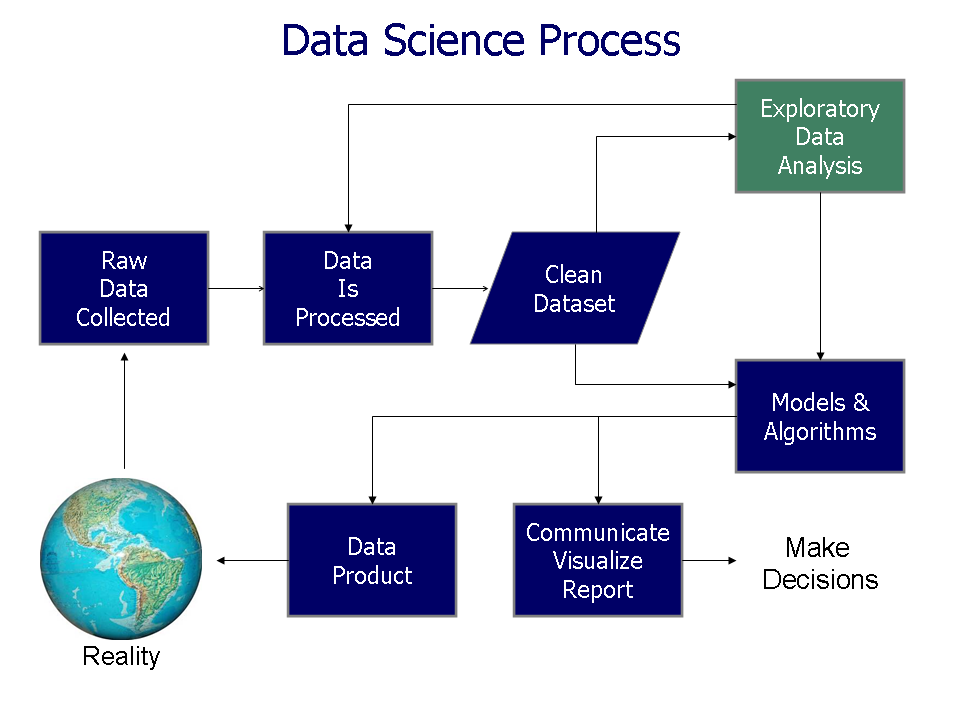
The time-cost of data curation is immense. After a web crawl is complete, it can take months of computation and human oversight to produce a clean, balanced, and safe training set. This painstaking work is why a model released in mid-2023 might have a knowledge cutoff in late 2021. The gap represents the time required to collect, process, and verify the data that constitutes its world view.
What is the primary reason an LLM has a "knowledge cutoff" and is unaware of very recent events?
The process of filtering, refining, and structuring raw web data to make it suitable for training an LLM is known as the __________.
So, the knowledge cutoff isn't an arbitrary choice. It's a direct result of the methodical and time-consuming process required to build a foundation of high-quality data.