Understanding Learning Objectives
Introduction to Learning Objectives
What's the Destination?
Imagine you're planning a road trip. The first thing you decide isn't which snacks to pack or what music to play. It's the destination. Without knowing where you're going, you can't choose the right roads, estimate the travel time, or even know if you've arrived. In education, the destination is a learning objective.
A learning objective is a clear, specific statement that describes what a student is expected to know or be able to do at the end of a lesson, unit, or course.
Think of it as a contract. It tells the instructor what to teach and test, and it tells the student what to focus on and learn. Everything in a well-designed course, from lectures and activities to quizzes and projects, should directly support the learning objectives. If an activity doesn't help students achieve an objective, it's like taking a detour on your road trip—it might be interesting, but it doesn't get you closer to your destination.
Aims, Goals, and Objectives
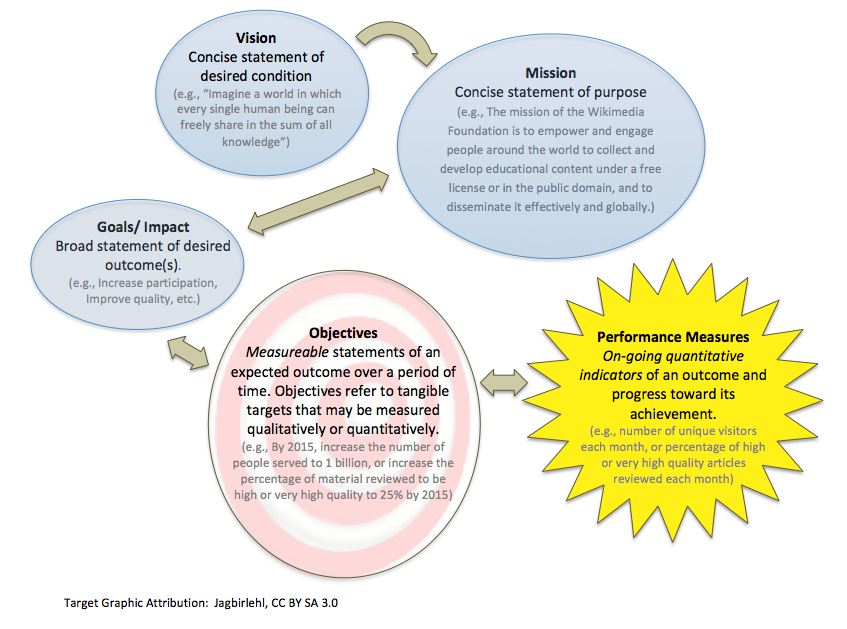
The terms "aim," "goal," and "objective" are often used interchangeably, but in curriculum design, they form a hierarchy from broad to specific. Understanding the difference is key to creating a focused learning experience.
An aim is a very broad, general statement of intent. It's the big-picture vision for education.
A goal is more specific than an aim. It describes what a program or course hopes to accomplish over a longer period.
An objective is the most specific. It's a measurable, short-term outcome that describes a specific student behavior.
Here’s how they break down in a real-world example.
| Level | Example: Health & Wellness | Description |
|---|---|---|
| Aim | Promote healthy lifestyles. | Very broad, applies to a whole community or society. |
| Goal | Students will understand the principles of nutrition. | The overall purpose of a course or unit. |
| Objective | Students will be able to identify the five major food groups. | A specific, demonstrable skill a student will have. |
A Roadmap for Everyone
Clear learning objectives are the foundation of effective instruction, benefiting both the person teaching and the person learning. They create a shared understanding of the purpose of the educational experience.
One of the key components of a course description is the Learning Objectives section.
For instructors, objectives are a guide for design. They help answer critical questions:
- What content is essential?
- What activities will best help students learn this content?
- How can I accurately measure if students have learned it?
By starting with objectives, instructors ensure that their course materials, class time, and assessments are all aligned and purposeful. There’s no wasted effort on content that doesn't serve a clear learning purpose.
For students, objectives provide clarity and focus. They answer the all-important question: "What do I need to know?" This allows them to:
- Understand the expectations for success in the course.
- Focus their study efforts on the most important concepts.
- Monitor their own progress and identify areas where they need help.
When students know the target, they are much more likely to hit it.
Ultimately, learning objectives transform a course from a simple collection of topics into a structured, purposeful journey. They provide the map that guides everyone to the same, clearly marked destination.
In the road trip analogy for education, what does a "learning objective" represent?
Which of the following lists the educational terms from most broad to most specific?