Understanding LDL Cholesterol
Introduction to Cholesterol
What Is Cholesterol?
Cholesterol is a waxy, fat-like substance that's found in every cell of your body. It might have a bad reputation, but it's not inherently bad. In fact, your body needs cholesterol to perform several vital jobs.
Think of it as a crucial building block. Your body uses cholesterol to construct the outer layer, or membrane, of your cells. Without it, your cells wouldn't have the right structure or flexibility.
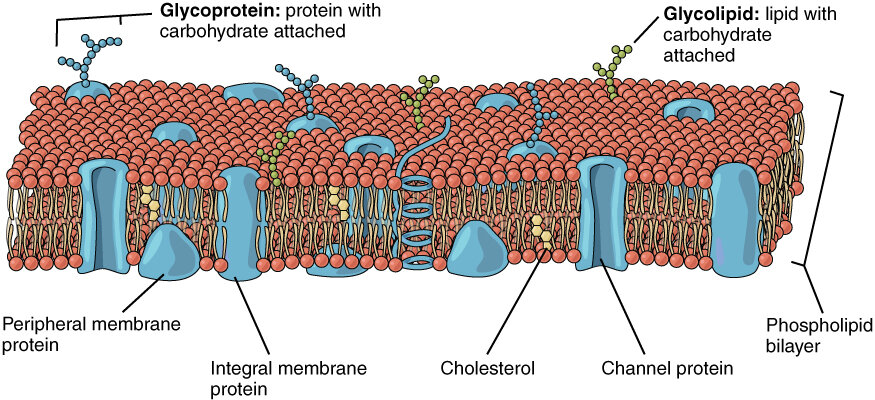
Beyond building cells, cholesterol has other important roles. It's a key ingredient for producing certain hormones, like estrogen and testosterone. Your body also uses it to make vitamin D when your skin is exposed to sunlight and to create bile acids, which help you digest fats from the food you eat. Most of the cholesterol you need is made by your liver, but you also get some from your diet.
Getting Around the Body
Since your bloodstream is mostly water, and cholesterol is a fat, the two don't mix. It's like trying to mix oil and water. To solve this problem, your body packages cholesterol and other fats into tiny particles called lipoproteins.
lipoprotein
noun
A particle made of fat (lipid) and protein that transports fats like cholesterol and triglycerides through the bloodstream.
These lipoprotein packages act like delivery trucks, carrying cholesterol to and from cells throughout your body. The two main types you'll hear about are low-density lipoprotein (LDL) and high-density lipoprotein (HDL).
LDL and HDL
Low-density lipoprotein (LDL) is often called "bad" cholesterol, but its job is essential. LDL's primary role is to deliver cholesterol from the liver to cells that need it. When cells need cholesterol for building membranes or making hormones, they grab LDL particles from the blood.
High-density lipoprotein (HDL) is known as "good" cholesterol. HDL's job is the opposite of LDL's. It acts like a cleanup crew, picking up excess cholesterol from your cells and tissues and transporting it back to the liver. The liver can then remove it from the body.
So, LDL is the delivery service, dropping off cholesterol where it's needed. HDL is the recycling service, collecting the extra to be disposed of.
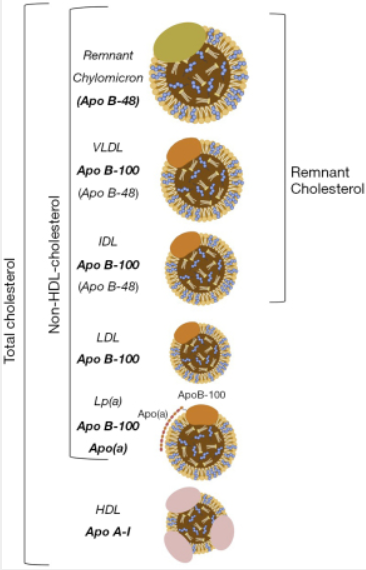
Both LDL and HDL are necessary for your body to function correctly. They work together in a system to ensure your cells get the cholesterol they need without having too much left floating around. It's all about balance.
What is the primary organ responsible for producing most of the cholesterol your body needs?
Why must cholesterol be packaged into lipoproteins to travel through the bloodstream?