Understanding Large Language Models
Introduction to Large Language Models
What Are Large Language Models?
Large Language Models, or LLMs, are a type of artificial intelligence designed to understand and generate human language. Think of them as incredibly advanced students of language. They've read a massive library of books, articles, and websites—far more than any person ever could. By analyzing all this text, they learn the patterns, rules, grammar, and nuances of how we communicate.
The main goal of an LLM is to process a piece of text you give it (a 'prompt') and predict what should come next, word by word, to create a coherent and relevant response.
This predictive ability is what makes them so versatile. It allows them to do everything from answering questions and translating languages to writing stories and even generating computer code. They aren't 'thinking' in the human sense, but rather calculating the most probable sequence of words to form a useful reply.
A Quick Trip Through Time
The idea of teaching computers language isn't new. Early attempts, dating back decades, relied on statistical methods. These models would count how often words appeared next to each other. They were useful for simple tasks, but they lacked a deeper understanding of context. They might know that 'New' is often followed by 'York', but they couldn't grasp the meaning of a whole paragraph.
The real breakthrough came with the development of neural networks, which are computer systems modeled loosely on the human brain. This led to more sophisticated models, but the game-changer arrived in 2017 with a new architecture called the Transformer. It allowed models to weigh the importance of different words in a sentence, giving them a much better grasp of context.
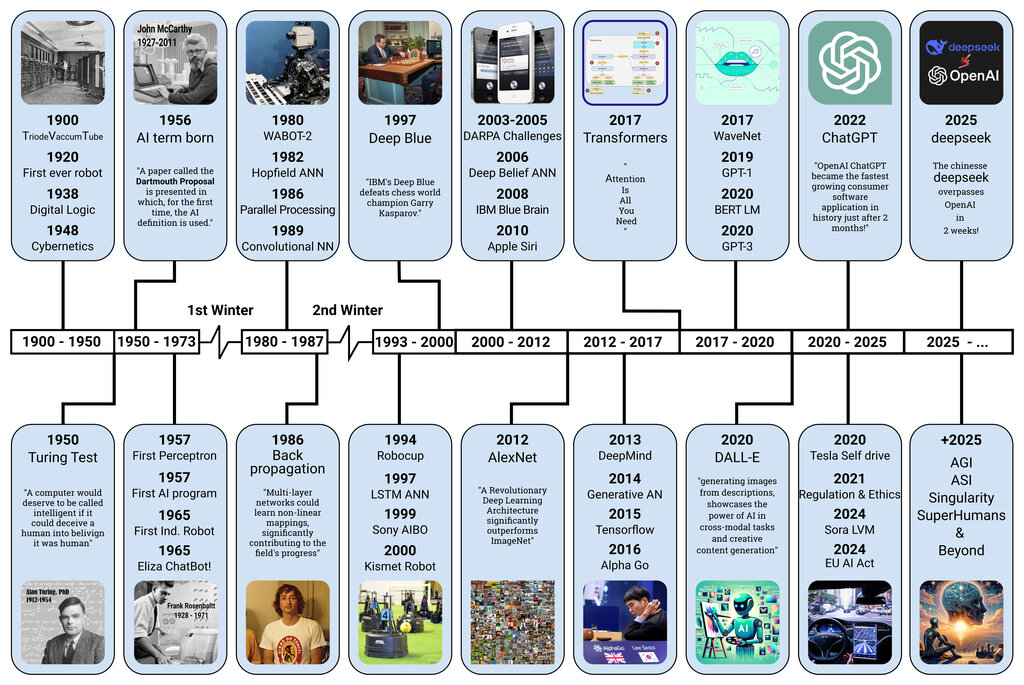
The Transformer architecture paved the way for the 'Large' in Large Language Models. Companies began training these models on enormous datasets, leading to powerful systems like GPT-3 in 2020. When ChatGPT was released to the public in late 2022, it brought the power of LLMs into the mainstream, showing millions of people what this technology could do.
What Can LLMs Actually Do?
LLMs are like a Swiss Army knife for language-based tasks. Their ability to process and generate text has unlocked a wide range of applications across many fields.
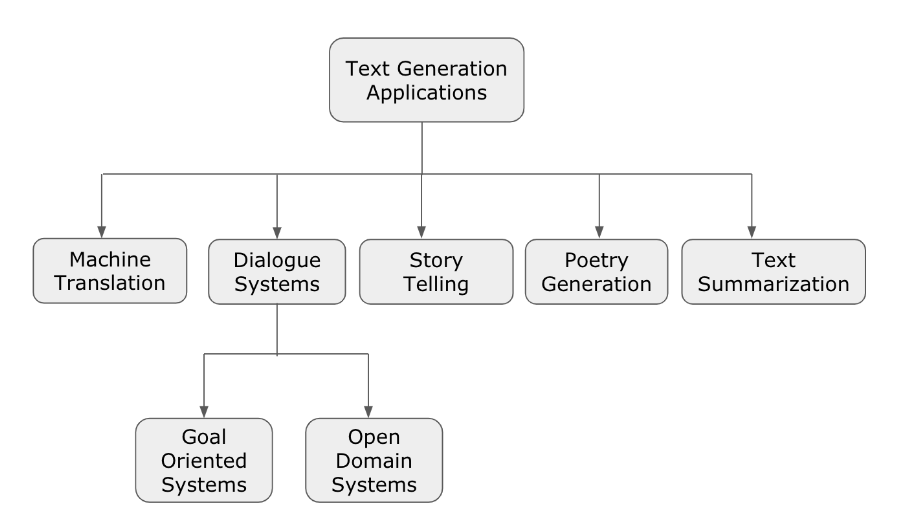
Because they are trained on such diverse information, their skills are broad. They can adapt their tone, switch between languages, and process complex instructions. Here are some of the most common applications:
| Application | Description |
|---|---|
| Text Generation | Creating original text, from emails and articles to poems and marketing copy. |
| Translation | Translating text from one language to another with improved accuracy and nuance. |
| Summarization | Condensing long documents, articles, or conversations into key points. |
| Question Answering | Providing direct answers to questions by drawing from its vast training data. |
| Code Generation | Writing snippets of computer code based on a description in natural language. |
The impact of these capabilities is already significant. In customer service, LLMs power chatbots that can resolve complex queries. In software development, they help programmers write and debug code more efficiently. And in education, they offer new ways for students to learn and explore topics.
Large Language Models (LLMs) have transformed numerous domains by providing advanced capabilities in natural language understanding, generation, and reasoning.
While the technology is powerful, it's also important to remember its limitations. LLMs can sometimes produce incorrect information (a phenomenon called 'hallucination') or reflect biases present in their training data. As the technology continues to evolve, understanding both its strengths and weaknesses is key to using it responsibly.
What is the fundamental process by which a Large Language Model (LLM) generates a response?
Which technological innovation, introduced in 2017, was a major breakthrough for LLMs by allowing them to better understand context in a sentence?