Understanding Large Language Models
Introduction to Large Language Models
What Are Large Language Models?
A large language model, or LLM, is a type of artificial intelligence that can process and generate text in a way that seems remarkably human. Think of it as a very advanced autocomplete, but instead of just suggesting the next word, it can write entire paragraphs, answer complex questions, translate languages, and even write code.

The "large" in their name is key. These models are trained on enormous amounts of text data—essentially, a significant portion of the internet, books, and other digital text sources. By analyzing this vast dataset, an LLM learns the patterns, grammar, context, and nuances of language. It's not just memorizing sentences; it's learning the statistical relationships between words and ideas. This allows it to generate new, original text that is coherent and contextually relevant.
The significance of LLMs is their versatility. They form the backbone of many modern AI applications, from sophisticated chatbots and virtual assistants to powerful search engines and content creation tools.
The Road to LLMs
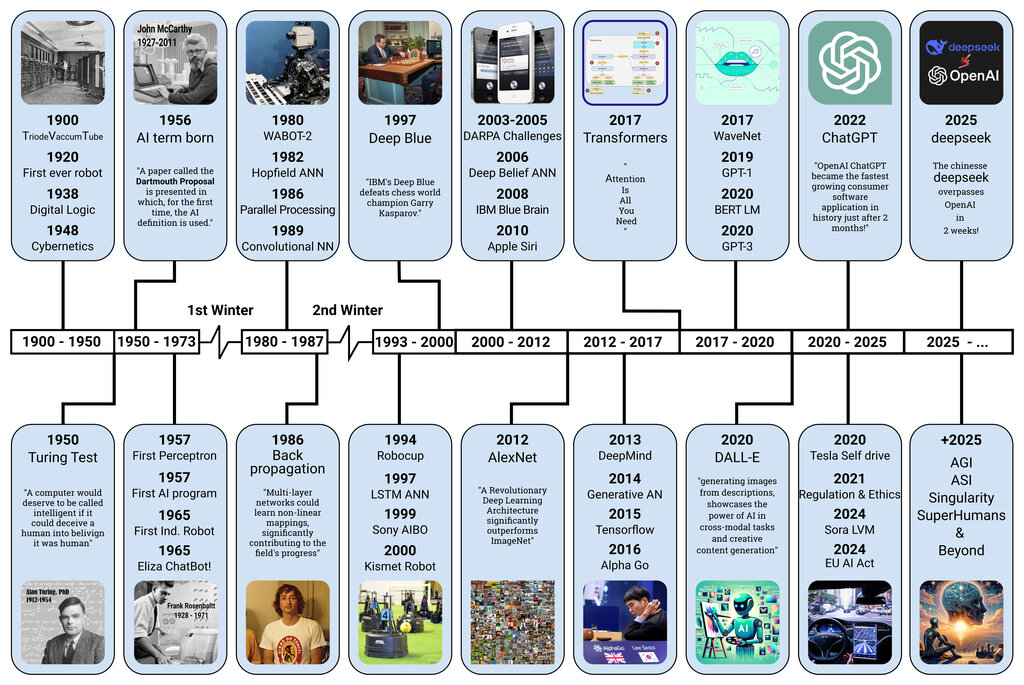
LLMs might seem like they appeared overnight, but they are the result of decades of research in a field called Natural Language Processing (NLP). The goal of NLP has always been to enable computers to understand and use human language.
Early NLP systems were mostly rule-based. Programmers would manually write grammatical rules and dictionaries for a computer to follow. For example, a rule might state that a sentence must have a noun and a verb. This approach was brittle and couldn't handle the exceptions and complexities of real-world language.
The next step was a shift to statistical methods. Instead of hardcoded rules, models would learn from text by analyzing the frequency and co-occurrence of words. This was more flexible but still struggled with understanding the deeper context and meaning of a sentence.
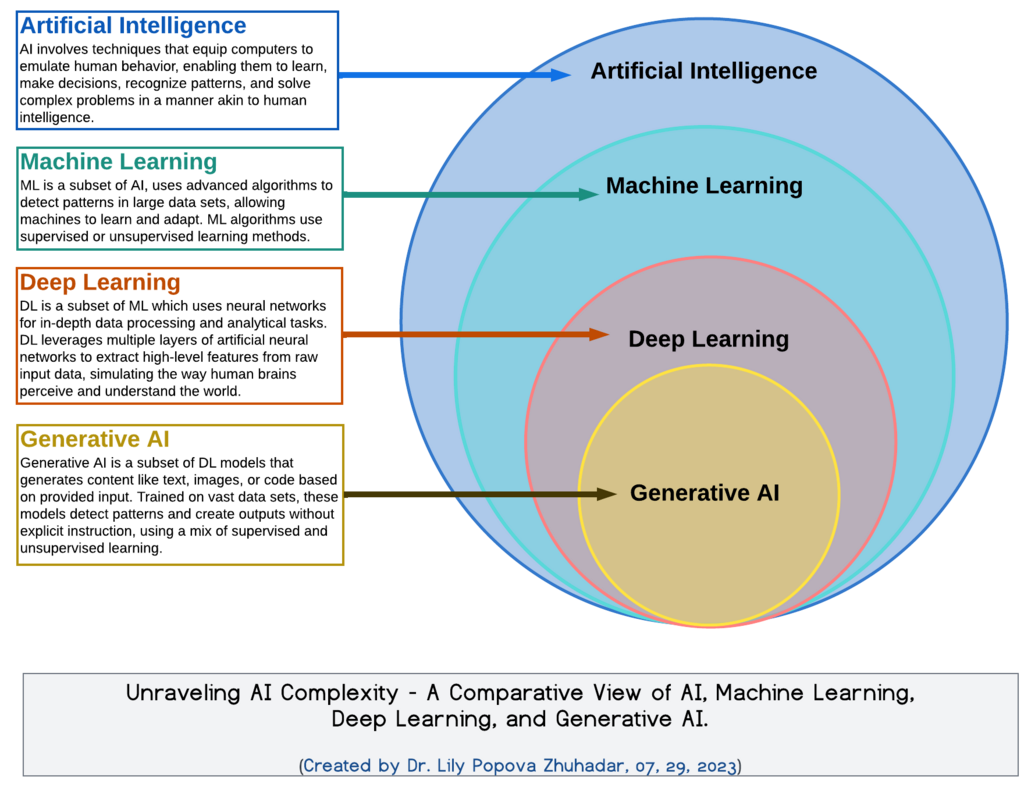
The real breakthrough came with machine learning, specifically deep learning and neural networks. These models are inspired by the structure of the human brain and can learn complex patterns from data without being explicitly programmed. This led to the transition from traditional NLP to the powerful LLMs we see today.
| Feature | Traditional NLP | Large Language Models |
|---|---|---|
| Approach | Rule-based or statistical | Deep learning-based |
| Data Scale | Small, curated datasets | Massive, diverse datasets |
| Complexity | Simple, handcrafted rules | Complex, multi-layered neural networks |
| Performance | Limited by rules, struggles with nuance | Can understand context, sentiment, and ambiguity |
Key Milestones
Several key innovations paved the way for modern LLMs. In the early 2010s, techniques like word embeddings (e.g., Word2Vec) allowed models to represent words as numerical vectors. This was a crucial step, as it captured the semantic relationships between words. For example, the vectors for "king" and "queen" would be mathematically similar to the vectors for "man" and "woman."
The game-changing moment arrived in 2017 with the introduction of the Transformer architecture. Its core innovation was the "attention mechanism," which allowed the model to weigh the importance of different words in the input text when processing it. This meant it could better track relationships and context across long sentences and paragraphs, overcoming a major limitation of earlier models.
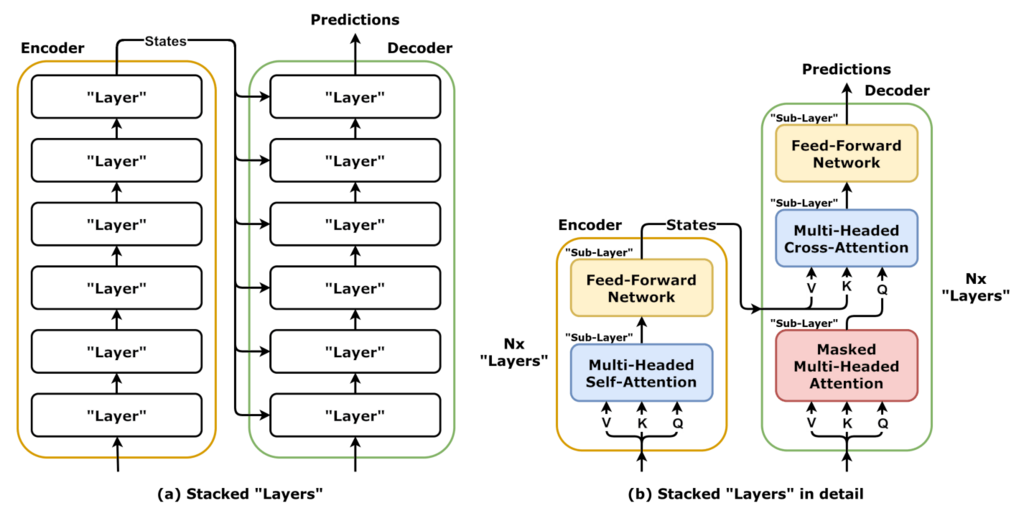
The Transformer architecture gave rise to a new generation of models. Models like BERT (Bidirectional Encoder Representations from Transformers) focused on understanding the context of a word by looking at both the words that come before and after it. This made them incredibly effective at tasks like classification and question answering.
Soon after, the GPT (Generative Pre-trained Transformer) series focused on text generation. By scaling up the size of the model and the training data, these models demonstrated an incredible ability to produce fluent, coherent, and creative text, setting the stage for the powerful LLMs in use today.
This foundation sets the stage for a deeper dive into how these remarkable models work. They represent a fundamental shift in computing, moving from instructing machines to training them to learn.
What is the primary function of a Large Language Model (LLM)?
The development of LLMs followed a progression from rule-based systems to statistical methods, and finally to deep learning.