Understanding Keloids
Introduction to Keloids
What Are Keloids?
When you get a cut, your body's natural healing process kicks in to repair the damage. Usually, this process creates a flat scar that fades over time. But sometimes, the healing goes into overdrive. Instead of stopping when the wound is closed, the body keeps making tough, fibrous tissue called collagen. This results in a keloid.
keloid
noun
A type of raised scar that occurs when the body produces too much collagen during healing. It grows beyond the boundaries of the original wound.
Think of it as a scar that doesn't know when to quit. What might start as a small pimple, cut, or even an ear piercing can gradually expand into a smooth, hard growth. These growths can be much larger than the initial injury and can appear weeks or months after the skin was first damaged.
Not All Raised Scars Are the Same
Keloids are often confused with another type of raised scar called a hypertrophic scar. They might look similar at first glance, but they behave very differently. A hypertrophic scar is also raised, but it stays within the confines of the original wound. It's like the body over-repaired the injury but knew to stay within the lines. Keloids, on the other hand, spread into the surrounding healthy skin.
This table breaks down the key differences.
| Feature | Keloid | Hypertrophic Scar |
|---|---|---|
| Boundaries | Grows beyond the original wound | Stays within the original wound boundaries |
| Progression | Can continue to grow over time | Often improves on its own within 1-2 years |
| Color | Often pink, red, or darker than surrounding skin | Typically pink or red |
| Symptoms | Frequently itchy or painful | May be itchy but is less likely to be painful |
Who Gets Keloids?
While anyone can develop a keloid, they are not equally common across all populations. Genetics plays a significant role; if your parents have keloids, you're more likely to develop them too.
They are most common in people with darker skin tones, such as individuals of African, Hispanic, and Asian descent. This suggests that factors related to skin pigmentation and structure are involved. Keloids also tend to appear most often between the ages of 10 and 30.
Certain areas of the body are more prone to keloids due to skin tension. The most common sites include:
- Chest
- Shoulders
- Back
- Jawline
- Earlobe piercings
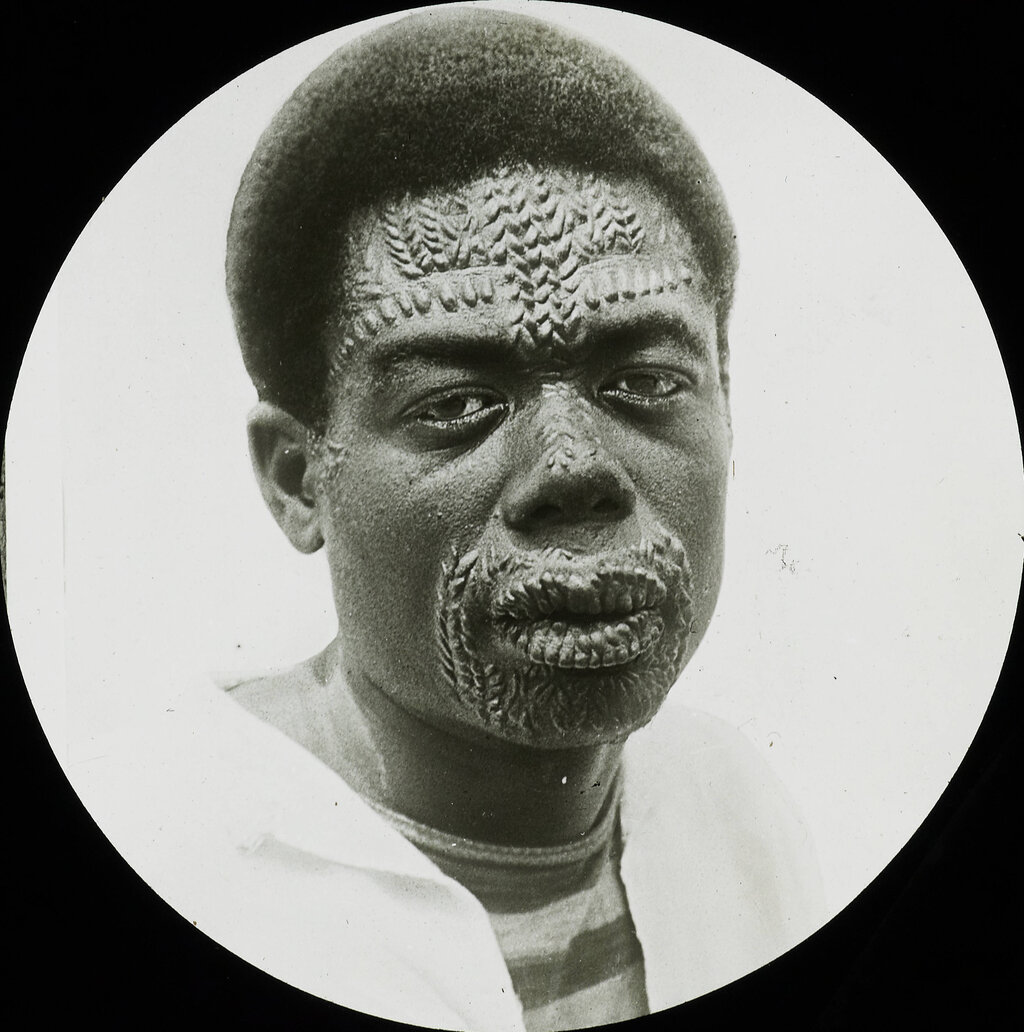
More Than Skin Deep
Although keloids are benign—meaning they aren't cancerous and don't pose a direct health risk—their impact shouldn't be underestimated. They can cause physical discomfort, such as itching, tenderness, or pain, especially if they are located over a joint or rub against clothing.
The emotional and psychological effects can be just as significant. Because they are often visible, keloids can cause self-consciousness and anxiety. People might alter their clothing or hairstyle to hide them, which can affect their confidence and overall quality of life.
Understanding what keloids are and how they differ from other scars is the first step in managing them. It helps people recognize the condition and know when to seek advice from a dermatologist.
What is the fundamental process that causes a keloid to form?
What is the primary characteristic that distinguishes a keloid from a hypertrophic scar?
Knowing the basics about keloids can help you understand your skin's healing process.