Understanding Judaism and Jewish Culture
Origins of Judaism
A People and a Promise
Judaism begins with the ancient Israelites, a people who emerged in the highlands of Canaan around the beginning of the Iron Age. In a world teeming with gods and goddesses, the Israelites developed a radical idea: the belief in one, single God. This concept, known as monotheism, became the cornerstone of their identity.
At the heart of this new faith was the idea of a covenant, a sacred agreement between God and the Jewish people. This wasn't just a belief system; it was a relationship. God promised to protect and guide them, and in return, they promised to follow His laws and live according to His will.
The Patriarchs and the Lawgiver
The story of this covenant begins with a man named Abraham. According to tradition, God called upon Abraham to leave his home in Mesopotamia and travel to a new land, Canaan, which would be promised to his descendants. This journey marked the beginning of the Jewish people.
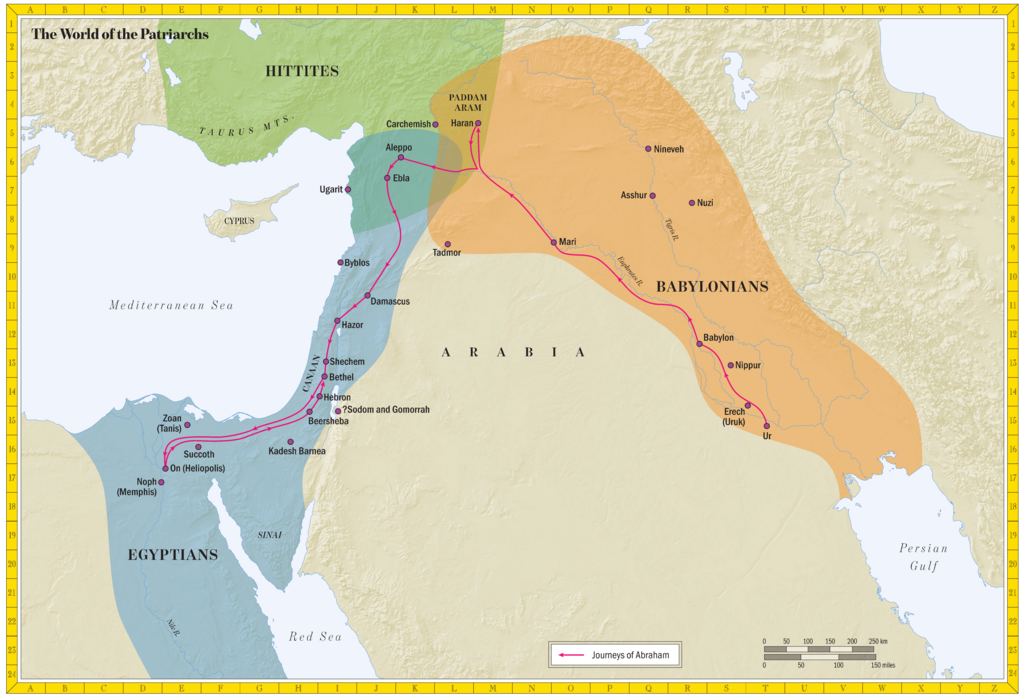
Abraham is considered the first patriarch of Judaism. His story, along with those of his son Isaac and grandson Jacob (also called Israel), forms the narrative foundation of the nation of Israel.
Centuries later, the covenant was solidified through another key figure: Moses. The Israelites were enslaved in Egypt when God chose Moses to lead them to freedom. This dramatic escape, known as the Exodus, is a central event in Jewish history. After the Exodus, on Mount Sinai, God gave Moses a set of laws for the people to live by. This moment represents the formal establishment of the covenant on a national scale.
The covenant wasn't a one-time event but a continuous relationship, renewed and reinterpreted by generations.
The Torah: A Guide for Living
The laws and teachings Moses received are recorded in the Torah, the most sacred text in Judaism. The Torah consists of the first five books of the Hebrew Bible, also known as the Five Books of Moses: Genesis, Exodus, Leviticus, Numbers, and Deuteronomy.

The development of the Torah took place over many centuries. It began as a collection of oral traditions, stories, and legal codes passed down through generations. These were eventually written down and edited into the form we have today. The Torah contains not only the 613 commandments (mitzvot) that guide Jewish life, but also the origin stories of humanity and the Jewish people, establishing their history and their unique relationship with God.
Living in the ancient Near East, the early Israelites were surrounded by powerful empires like Egypt and Babylon. Their unique monotheistic faith and the laws of the Torah helped them maintain a distinct cultural and religious identity in a polytheistic world. The beliefs and practices that developed during this formative period laid the groundwork for all of Jewish history and culture to come.
Let's review the core concepts from this section.
Now, check your understanding of these foundational ideas.
What is the term for the belief in one, single God, a concept that was central to the ancient Israelites?
The sacred agreement between God and the Jewish people, based on mutual promises, is known as a...
Understanding these origins—the covenant, the key figures, and the Torah—is essential to grasping the deep-rooted traditions and beliefs that have shaped Judaism for millennia.