Understanding ITAR
Introduction to ITAR
What Is ITAR?
The International Traffic in Arms Regulations, or ITAR, is a set of U.S. government rules that control the export of defense-related items and services. Its primary goal is to protect national security and advance U.S. foreign policy objectives. Think of it as a gatekeeper for sensitive military technology, ensuring it doesn't fall into the wrong hands.
ITAR isn't new. Its roots go back to the Cold War era, when controlling the flow of military hardware was critical. The regulations are based on the Arms Export Control Act (AECA) of 1976, which gives the President the authority to control the import and export of defense articles and services. Essentially, if an item or piece of information is made for a military purpose, ITAR likely governs how it can be shared with foreign countries or foreign nationals.
Who's in Charge?
The main agency responsible for interpreting and enforcing these rules is the Directorate of Defense Trade Controls (DDTC), which is part of the U.S. Department of State. The DDTC is responsible for managing the registration and licensing process for any company or individual involved in the defense trade. They review applications, issue export licenses, and ensure that all parties comply with the law.

The Munitions List
At the heart of ITAR is the United States Munitions List, or USML. This is a detailed list of all the items and technologies that ITAR considers to be defense-related. It's organized into 21 categories, covering everything from firearms and ammunition to military aircraft, naval vessels, and even spacecraft.
If an item is on the USML, it is subject to ITAR controls. It's that simple.
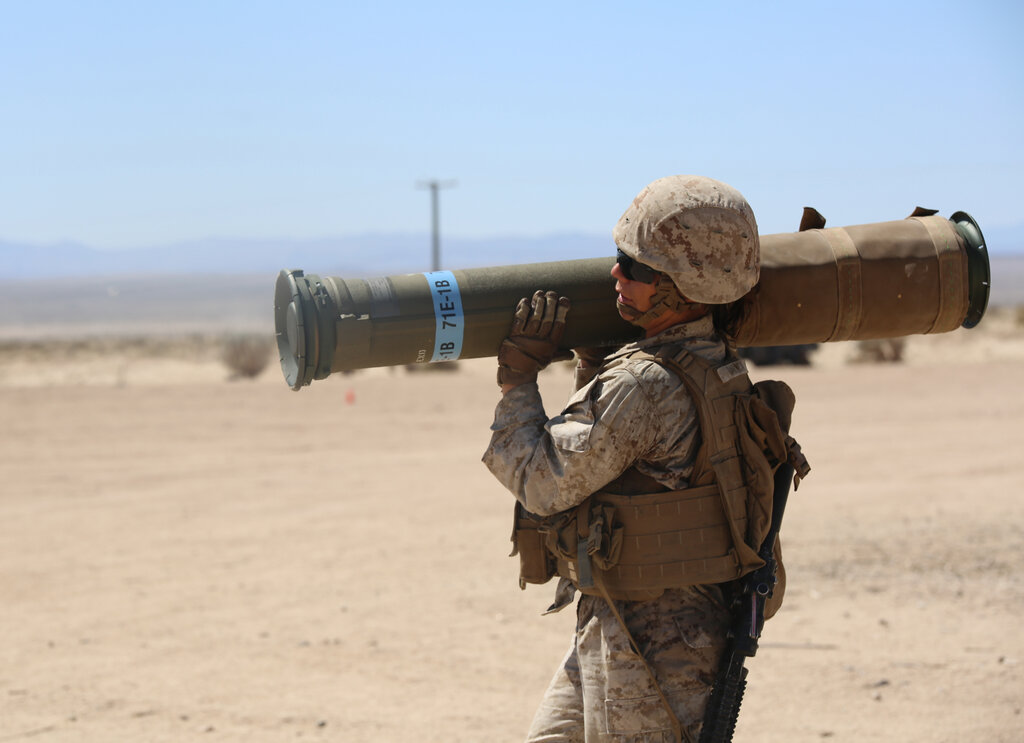
The categories are specific and broad. For example, Category I covers firearms, while Category IV includes rockets, missiles, and bombs. Category XV is dedicated to spacecraft systems and associated equipment. The USML is not just about finished products; it also includes components, parts, accessories, and attachments specifically designed for defense articles.
More Than Just Hardware
A common misconception is that ITAR only applies to physical goods. In reality, its scope is much wider. The regulations also control technical data and defense services.
Technical data refers to any information required for the design, development, production, or use of a defense article. This includes blueprints, drawings, documentation, and manuals. Sending an email with technical schematics to a foreign person can be considered an export.
Defense services include providing assistance, like training, to foreign persons in the design, engineering, or use of a defense article. This means teaching someone how to operate a piece of military equipment is a regulated activity.
In short, ITAR is a foundational piece of U.S. export control law. It defines what is considered a defense item and establishes the rules for how those items—and the knowledge behind them—can be shared with the rest of the world.