Understanding ISO 13849 Machine Safety
Machine Safety Basics
Why Machine Safety Matters
Machines are powerful tools. They cut, press, shape, and move materials with forces far greater than any human could manage. This power is what makes them useful, but it also makes them dangerous.
Machine safety isn't about slowing down work or adding unnecessary steps. It’s a systematic approach to protecting people, from the operators who use the machines daily to the technicians who maintain them. The goal is simple: to prevent injuries by identifying and controlling the risks.
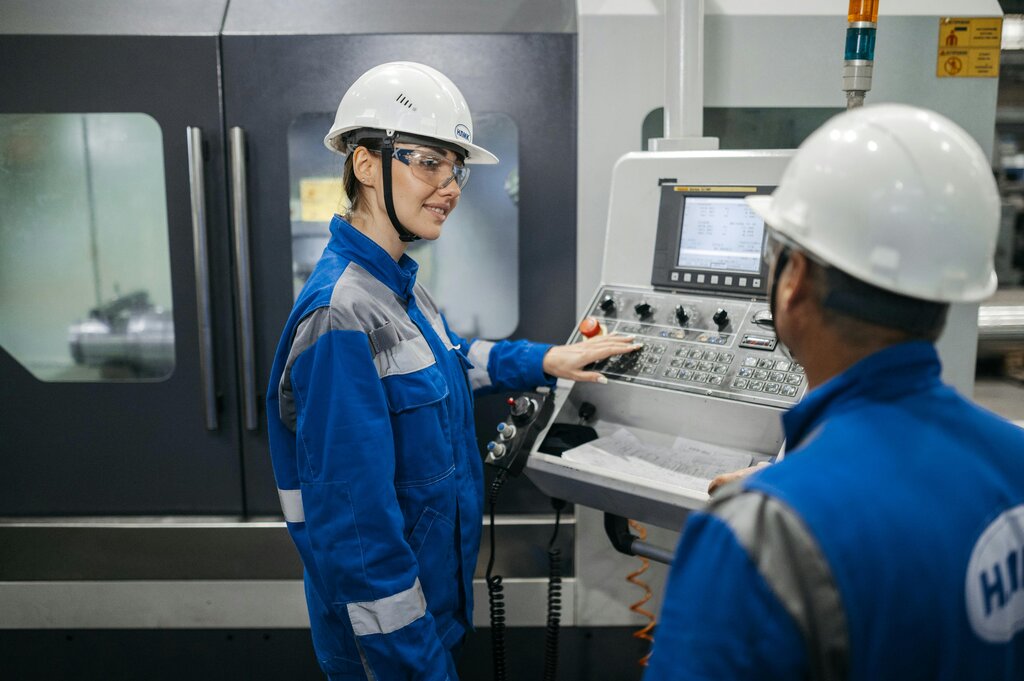
Thinking about safety from the beginning—when a machine is designed or a workspace is laid out—is the most effective way to create a safe environment. It ensures that safety isn't an afterthought, but a core part of how work gets done.
Spotting the Dangers
Before you can control a hazard, you have to know what it is. Machinery presents several types of risks, which can often be found in combination.
Mechanical Hazards: These are the most common. They come from moving parts, like rotating shafts, gears, and cutting blades. The main dangers are crushing, shearing, cutting, and entanglement.
Electrical Hazards: Faulty wiring, improper grounding, or damaged cords can lead to electric shock, burns, or even fire.
Thermal Hazards: Some machines generate extreme heat or cold. Contact can cause severe burns or frostbite. Hot liquids, steam, and heated surfaces are all potential thermal hazards.
Other hazards include noise, vibration, radiation, and exposure to harmful chemicals used in the machine's operation. Recognizing these dangers is the first step in any safety process.
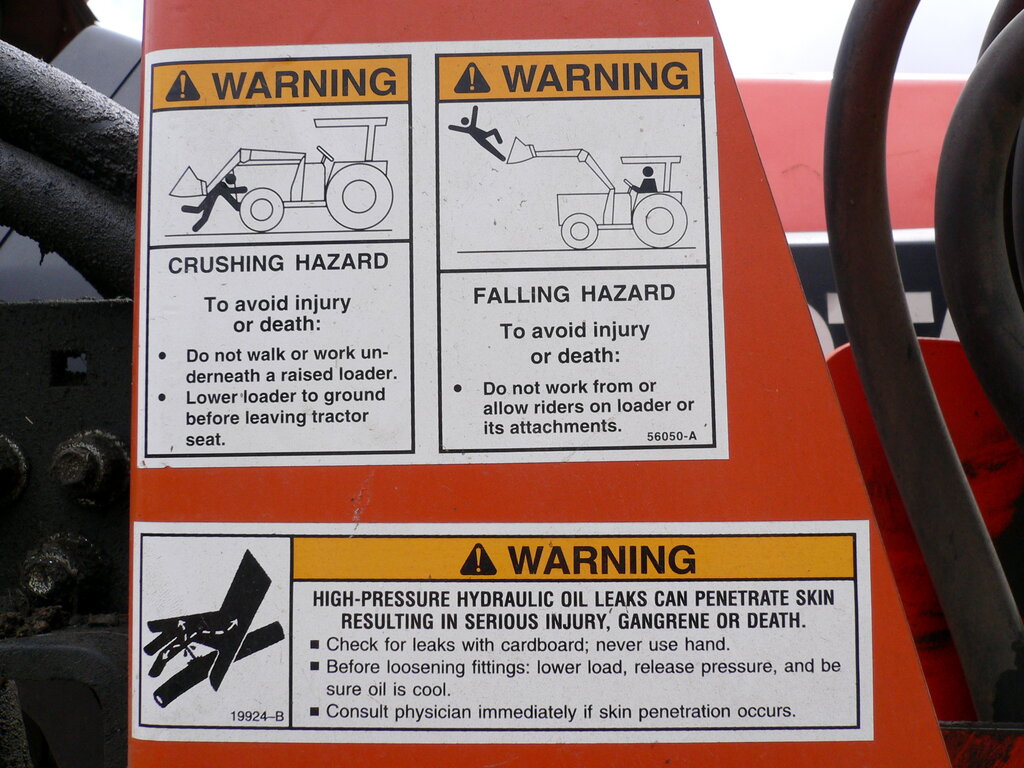
A Layered Approach to Safety
Not all safety measures are created equal. Some are far more effective than others. Safety professionals use a framework called the Hierarchy of Controls to prioritize the most effective ways to reduce risk. It’s best imagined as an upside-down pyramid, with the most effective solutions at the top.
Let's break that down.
- Elimination: The best option is to remove the hazard entirely. If a task can be done without the dangerous machine, that's the safest path.
- Substitution: If you can't eliminate the hazard, replace it with something safer. This could mean using a less toxic chemical or a machine that operates at a lower speed.
- Engineering Controls: This is where you physically isolate people from the hazard. Think machine guards, light curtains, or emergency stop buttons. These are built-in safety features.
- Administrative Controls: These are changes to the way people work. This includes safety training, warning signs, and specific procedures for operating machinery.
- Personal Protective Equipment (PPE): This is the last line of defense. Goggles, gloves, and hard hats protect the individual, but they don't remove the hazard itself. They rely on people using them correctly every time.
Putting It All Together
So how do you decide which controls to use? It starts with a risk assessment. This is a careful examination of what could cause harm to people. You identify the hazards, figure out who might be harmed and how, and evaluate the level of risk.
Based on that assessment, you can select the most appropriate protective measures. Often, the best solution is a combination of controls. For example, a machine might have a fixed guard (an engineering control), require specific operator training (an administrative control), and still require the use of safety glasses (PPE).
A key part of modern machine safety is the control system. These are the "brains" of the machine. They can be designed to detect unsafe conditions—like a guard door being opened—and automatically stop the machine to prevent an accident. These safety-related control systems are a powerful engineering control that can make machinery much safer to operate.
This foundation—understanding hazards, applying the hierarchy of controls, and performing risk assessments—is the basis for all advanced machine safety concepts. It's about being proactive, not reactive, and building safety into every step of the process.