Understanding Inflation
Introduction to Inflation
The Ever-Changing Price Tag
You've probably noticed that the price of things tends to go up over time. A movie ticket that cost $5 a decade ago might cost $15 today. This general increase in prices across an economy is called inflation.
Inflation is an economic principle describing how the prices of goods and services generally increase over time.
When prices rise, the value of your money goes down. Each dollar you have buys a smaller percentage of a good or service. This is known as a decrease in purchasing power. Think of it this way: if you have $20 and a pizza costs $10, you can buy two pizzas. But if inflation causes the price to rise to $20, that same $20 bill now only buys you one pizza. Your money hasn't changed, but its power to purchase things has.
How We Measure Inflation
Economists can't track the price of every single item. Instead, they use a sample of goods and services to get a general sense of price changes. The most common tool for this is the Consumer Price Index, or CPI.
The CPI measures the average change over time in the prices paid by urban consumers for a market basket of consumer goods and services.
Imagine a shopping basket filled with items an average household buys, from groceries and gasoline to haircuts and movie tickets. The U.S. Bureau of Labor Statistics (BLS) tracks the total cost of this basket every month. The change in its cost is the CPI.
| Category | Examples |
|---|---|
| Food & Beverages | Cereal, milk, coffee, chicken, wine |
| Housing | Rent, furniture, homeowner's insurance |
| Apparel | Shirts, pants, dresses, jewelry |
| Transportation | Gasoline, new cars, airline fares |
| Medical Care | Prescription drugs, doctor's visits |
| Recreation | TVs, sports equipment, pets |
| Education | College tuition, textbooks |
| Other | Tobacco, haircuts, funeral expenses |
To calculate the inflation rate, economists compare the CPI from two different points in time. The formula is a simple percentage change calculation:
If the CPI was 250 last year and is 255 this year, the inflation rate is . This means that, on average, prices have increased by 2%.
Why Inflation Matters
Inflation is a vital sign for the economy. A small, steady amount of inflation is generally considered healthy. It can signal a growing economy where people are buying more goods and services.
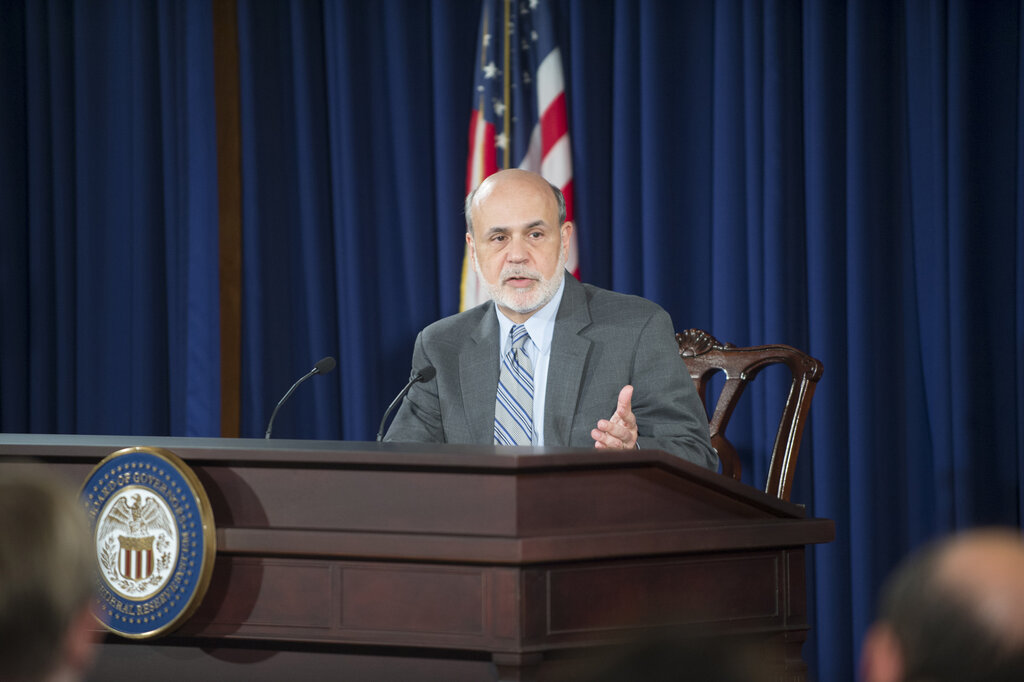
However, high inflation can be damaging. It erodes the value of savings and can create uncertainty for businesses and consumers. On the other hand, deflation, or falling prices, can also be a problem, as it might signal a shrinking economy. Central banks, like the Federal Reserve in the U.S., monitor inflation closely to keep the economy stable. By understanding inflation, you can better understand the economic news and make smarter financial decisions.
Let's check your understanding of these core concepts.
What is the best definition of inflation?
If you have 50, you can buy one ticket. If inflation causes the ticket price to rise to 50?
Understanding inflation and how it's measured is the first step to making sense of broader economic trends.