Understanding Immunotherapy
Introduction to Immunotherapy
What is Immunotherapy?
Your immune system is a powerful defense network. It constantly works to protect you from invaders like bacteria and viruses. But what if we could harness that same power to fight diseases from within, like cancer? That's the core idea behind immunotherapy.
Immunotherapy is a term that encompasses a range of treatments designed to reprogram elements of a patient's immune response so that it can more effectively target cancer cells or viruses such as HIV, just as it targets other pathogens.
Instead of using external chemicals or radiation to attack cancer directly, immunotherapy helps your own immune system do the job it was designed for. It either boosts your body's natural defenses or gives them new ways to recognize and attack cancer cells.
Your Body's Natural Defenses
Every day, cells in your body divide. Sometimes, errors occur during this process, creating abnormal cells that could become cancerous. Your immune system is constantly on patrol, a process called immune surveillance, looking for these threats.
Key players in this surveillance team are T-cells, a type of white blood cell. They can identify and destroy infected or abnormal cells, effectively stopping cancer before it starts. This process of recognition and elimination is a constant, quiet battle happening inside you.
How Cancer Hides
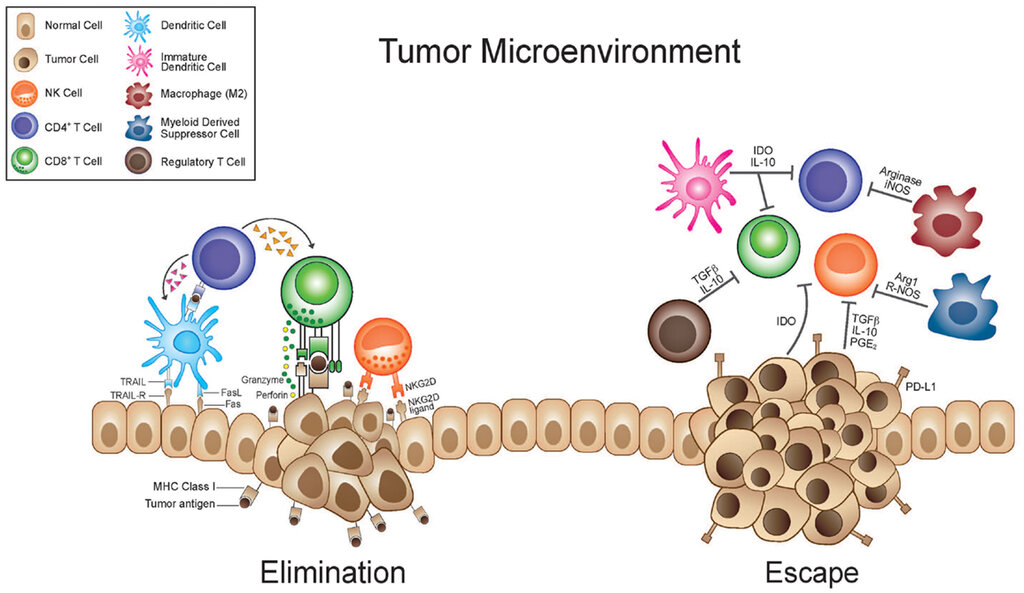
If the immune system is so good at this, how does cancer develop? Cancer cells are clever. They can develop ways to evade or even shut down the immune attack. This is called immune evasion.
Some cancer cells make themselves less visible by changing the proteins on their surface, essentially wearing a disguise so T-cells don't recognize them. Others take a more direct approach. They exploit natural
Cancer cells can activate natural 'brakes' on the immune system, known as checkpoints. This tells the T-cells to stand down, allowing the cancer to grow unchecked.
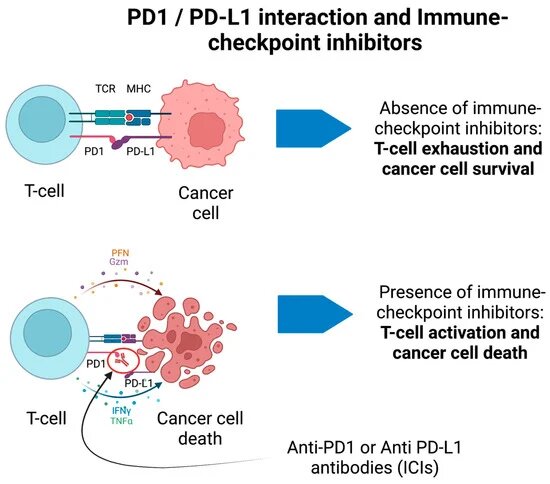
One of the most well-known checkpoints involves a protein called PD-1 on T-cells and a partner protein, PD-L1, on other cells. When they connect, it signals the T-cell to leave the other cell alone. Many cancer cells produce high levels of PD-L1, effectively holding up a stop sign to incoming T-cells.
Types of Immunotherapy
Because cancer uses multiple strategies to evade the immune system, scientists have developed several types of immunotherapy to fight back. Each works in a slightly different way.
Immune Checkpoint Inhibitors These drugs block the checkpoint proteins that cancer cells use to turn off T-cells. By blocking the interaction between proteins like PD-1 and PD-L1, these inhibitors effectively 'release the brakes' on the immune system, freeing T-cells to recognize and attack cancer.
T-cell Transfer Therapy This approach gives your T-cells a boost. Doctors take a sample of your immune cells, identify the most effective cancer fighters, grow large numbers of them in a lab, and then infuse them back into your body. It's like sending in a highly trained, supercharged army of your own cells.
Monoclonal Antibodies These are lab-made versions of immune system proteins. They are designed to attach to specific targets on cancer cells. Some antibodies 'mark' cancer cells, making them more visible to the immune system. Others work by blocking proteins that cancer cells need to grow.
Treatment Vaccines Unlike vaccines that prevent diseases like the flu, cancer treatment vaccines are for people who already have cancer. They work by stimulating an immune response against specific proteins found on cancer cells, training your immune system to seek out and destroy them.
Immune System Modulators This broad category includes treatments that enhance the body's immune response in a more general way. Some, called cytokines, are messenger proteins that can be given in large doses to stimulate immune cells across the body, ramping up the overall attack on cancer.
These different approaches provide a powerful toolkit for re-engaging the body's own defenses in the fight against cancer.