Understanding IFRS
Introduction to IFRS
A Common Language for Business
Imagine trying to compare two companies, one in Japan and one in Germany, if they both described their finances using completely different rules. It would be like comparing apples and oranges. This is where the International Financial Reporting Standards (IFRS) come in. They provide a common, global language for business affairs so that company accounts are understandable and comparable across international boundaries.
IFRS is a single set of accounting standards, developed and maintained by the International Accounting Standards Board (IASB). The goal is to make sure financial statements are consistent, transparent, and comparable around the world.
Think of it as a rulebook that accountants follow when they prepare a company's financial statements. This consistency helps investors, creditors, and other stakeholders make more informed economic decisions. When everyone plays by the same rules, it's easier to see which companies are performing well and which are not. This brings trust and stability to global financial markets.
The Rule Makers
The standards are created and managed by the International Accounting Standards Board (IASB), an independent, not-for-profit organization. The IASB was formed in 2001 to replace its predecessor, the International Accounting Standards Committee (IASC), which had been setting standards since 1973.
The IASB is an independent, private-sector body that develops and approves InternationalFinancial Reporting Standards (IFRS).
The board is made up of experts from diverse professional backgrounds and geographical regions. Their main job is to develop a single set of high-quality, understandable, and enforceable global accounting standards. This process involves research, public consultation with stakeholders from around the world, and deliberation to ensure the standards are practical and relevant.
Global Adoption
The adoption of IFRS has been widespread. Over 140 jurisdictions now require or permit the use of IFRS for publicly listed companies. This includes the European Union, Canada, Australia, and many countries in Asia, South America, and Africa. This widespread acceptance is a major step towards creating a truly global financial reporting system.
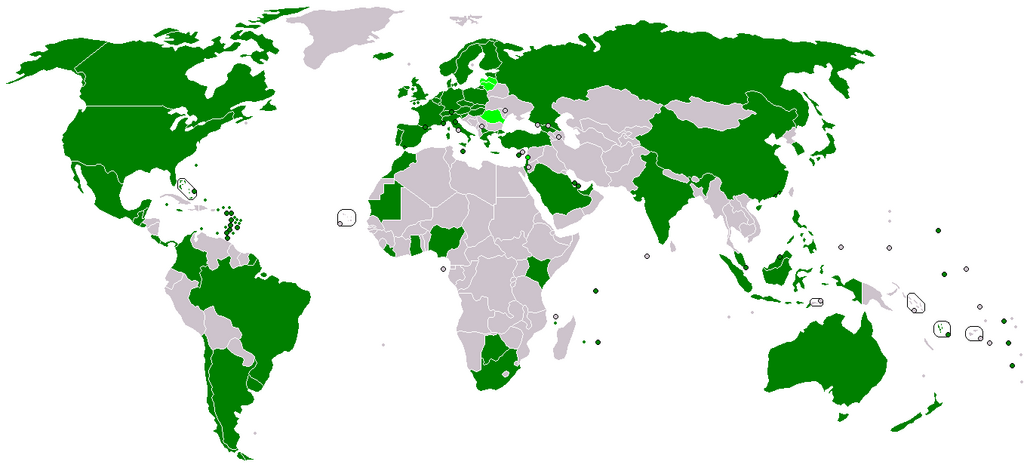
By harmonizing accounting standards, IFRS makes it easier for companies to operate internationally and for investors to compare investment opportunities across different countries. For example, a company based in South Africa can use the same accounting language as a potential investor in the United Kingdom, simplifying communication and fostering trust. This transparency and comparability are crucial for the health and efficiency of global capital markets.
Now, let's test your understanding of these core concepts.
What is the primary purpose of the International Financial Reporting Standards (IFRS)?
Which independent, not-for-profit organization is responsible for developing and issuing IFRS?
Ultimately, IFRS provides the framework that helps ensure the numbers tell a consistent story, no matter where a company calls home.