Understanding Hypertension
Understanding Blood Pressure
What Is Blood Pressure?
Think of your circulatory system as a network of flexible pipes, with your heart as the pump. Blood pressure is simply the force of the blood pushing against the walls of these pipes, called arteries, as your heart pumps it around your body. This pressure is essential for moving oxygen and nutrients to all your tissues and organs.
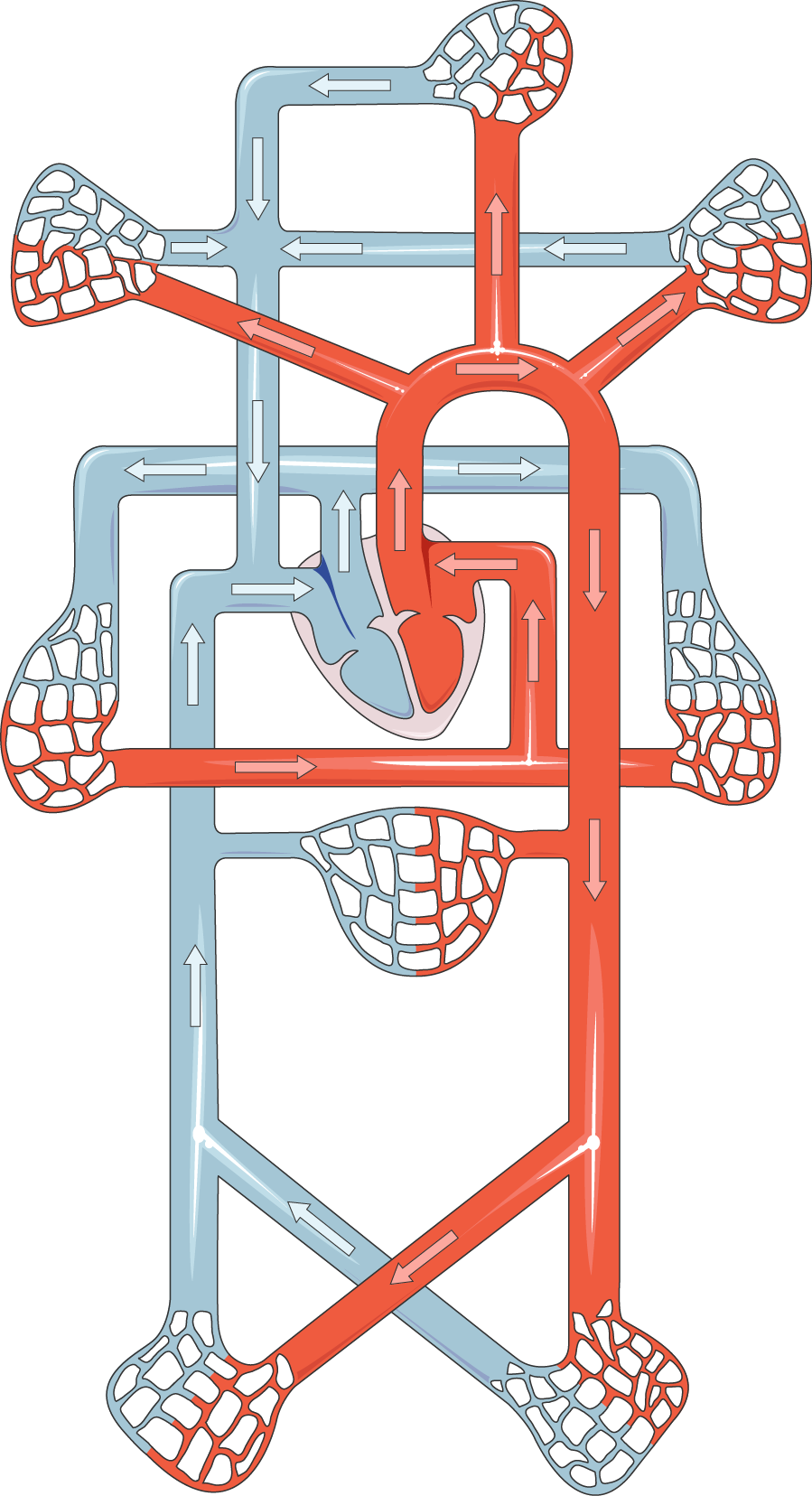
Just like the water pressure in a hose, your blood pressure isn't constant. It rises and falls with each heartbeat, giving us two important numbers to measure.
The Two Numbers
When you get your blood pressure checked, you'll see two numbers, one over the other, like 120/80. These represent the highest and lowest pressure in your arteries during a single heartbeat cycle.
Systolic Pressure This is the top number. It measures the pressure in your arteries when your heart muscle contracts (beats) to push blood out.
Diastolic Pressure This is the bottom number. It measures the pressure in your arteries when your heart muscle is resting between beats.
Think of it like this: Systolic is the pressure when the pump is on. Diastolic is the pressure when the pump is off.
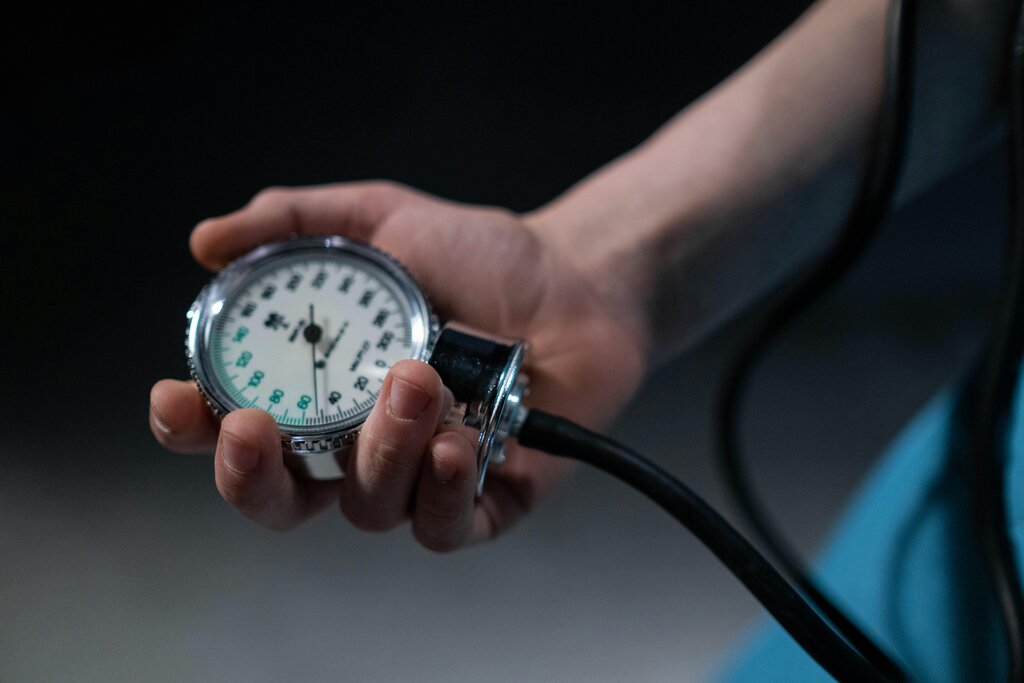
These numbers are measured in millimeters of mercury, abbreviated as mm Hg. This unit comes from the earliest blood pressure gauges, which used a column of mercury to measure the pressure. While many devices are digital now, the unit of measurement has stuck around.
What's Normal?
While what's "normal" can vary from person to person, health organizations provide general guidelines to help interpret blood pressure readings. These categories help identify when blood pressure is higher than it should be.
| Category | Systolic (top number) | Diastolic (bottom number) | |
|---|---|---|---|
| Normal | Less than 120 | and | Less than 80 |
| Elevated | 120–129 | and | Less than 80 |
| Hypertension Stage 1 | 130–139 | or | 80–89 |
| Hypertension Stage 2 | 140 or higher | or | 90 or higher |
Notice the use of "and" versus "or." For a reading to be normal or elevated, both numbers must be in the specified range. For hypertension, only one of the numbers needs to be in the higher range.
A Constantly Changing Number
Your blood pressure isn't a fixed number. It's dynamic and changes constantly throughout the day and night. A single reading is just a snapshot in time. It's typically lowest when you're sleeping and rises when you wake up.
Several factors can cause temporary changes in your blood pressure. These include:
- Physical Activity: Your pressure goes up during exercise to supply your muscles with more blood.
- Stress or Excitement: Feeling anxious or excited can cause a temporary spike.
- Caffeine and Nicotine: These substances can cause your blood vessels to narrow, raising pressure.
- Posture: Your reading can change depending on whether you are sitting, standing, or lying down.
- A full bladder: This can slightly increase your reading.
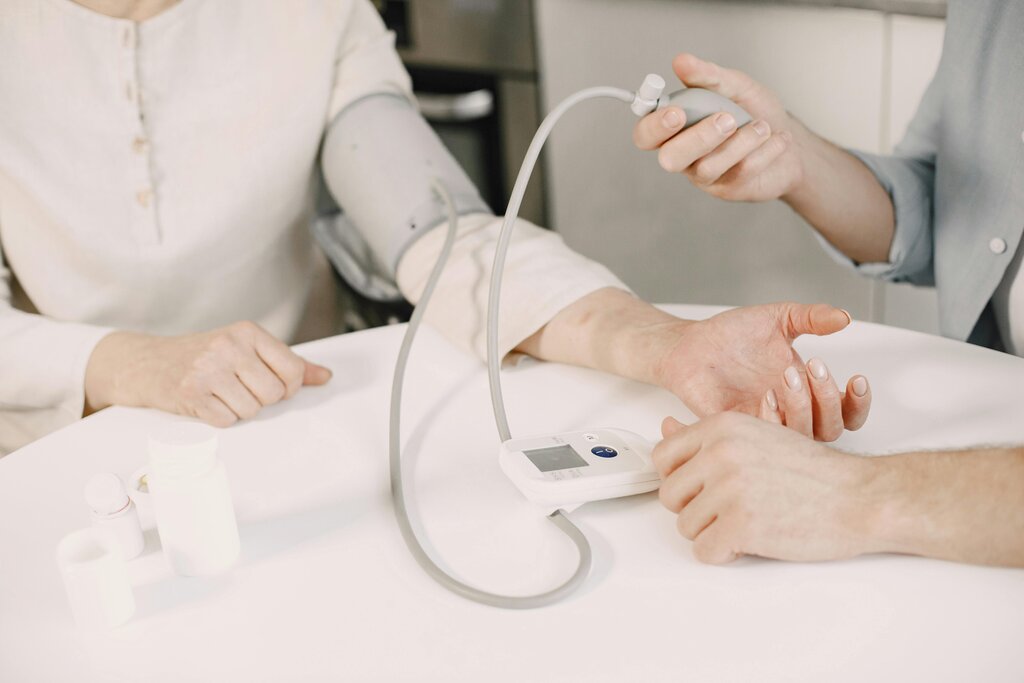
Because of these fluctuations, it's important to measure blood pressure under calm, consistent conditions to get an accurate sense of your typical levels.
What does the top number (systolic pressure) in a blood pressure reading measure?
The pressure in your arteries when your heart muscle is resting between beats is called _________ pressure.
Blood pressure is a key indicator of your heart's health. Understanding what the numbers mean and what influences them is a great first step in monitoring your well-being.