Understanding Hypertension
Introduction to Hypertension
The Pressure in Your Arteries
Think of your circulatory system as a network of plumbing. Your heart is the pump, and your arteries are the pipes that carry blood to the rest of your body. Just like water in pipes, your blood pushes against the artery walls as it flows. This force is called blood pressure.
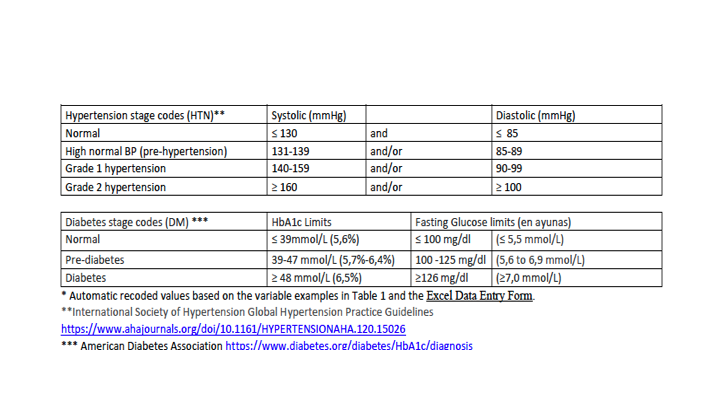
When a doctor or nurse measures your blood pressure, they are checking two things. First, they measure the pressure when your heart beats, pushing blood out. This is the higher number, called systolic pressure. Second, they measure the pressure when your heart rests between beats. This is the lower number, called diastolic pressure.

Your blood pressure is written as one number over the other, like 120/80 mmHg. The “mmHg” stands for millimeters of mercury, which is the unit used to measure this pressure. The top number is the systolic pressure, and the bottom number is the diastolic.
When Pressure Gets Too High
Hypertension is the medical term for consistently high blood pressure. It means the force of blood against your artery walls is elevated over time. This extra strain can damage your arteries and lead to serious health issues.
Hypertension
noun
A common condition in which the long-term force of the blood against your artery walls is high enough that it may eventually cause health problems, such as heart disease.
This condition is a major global health concern because it affects a huge number of people worldwide. Often, it has no obvious symptoms, which is why it's sometimes called “the silent killer.” Many people don't even know they have it.
Hypertension is a primary risk factor for cardiovascular disease, including stroke, heart attack, heart failure, and aneurysm.
Because it’s so widespread and can have such severe consequences, understanding and monitoring blood pressure is crucial for long-term health.
The Importance of Control
Keeping your blood pressure in a healthy range is one of the most important things you can do for your health. While the causes and specific treatments for hypertension are topics for another time, the first step is always awareness.
Regularly checking your blood pressure helps you and your doctor know if it's at a safe level. By controlling high blood pressure, you significantly reduce your risk of developing life-threatening conditions. It’s about preventing problems before they start.
Let's review what we've covered.