Understanding Human Sexuality
Introduction to Human Sexuality
More Than Just Biology
When people hear the term “human sexuality,” they often think of the physical act of sex. But that’s only a small piece of a much bigger picture. Sexuality is a central part of who we are throughout our lives. It includes not just sex, but also gender identities and roles, sexual orientation, intimacy, pleasure, and reproduction.
Sexuality
noun
A core aspect of being human that encompasses sex, gender identities and roles, sexual orientation, eroticism, pleasure, intimacy, and reproduction.
It’s not just about what we do. It’s also about who we are, how we feel, and how we connect with others. To really understand it, we need to look at it from a few different angles.
The Three Dimensions
Human sexuality is shaped by a mix of biological, psychological, and social factors. Think of them as three interconnected dimensions that all influence one another.
The biological dimension covers everything related to our physical bodies. This includes our reproductive anatomy, hormones, and our capacity for sexual response. It’s the hardware we’re born with.
The psychological dimension involves our inner world. It’s about our feelings, thoughts, and attractions. This is where concepts like sexual identity, body image, and emotions about sex and relationships live.
The social dimension is how our sexuality is shaped by the world around us. This includes influences from our family, friends, culture, religion, media, and laws. Society sets norms and expectations about what is considered “normal” or “acceptable” sexual behavior.
Sexual Health and Rights
Because sexuality is such a fundamental part of life, it's important to talk about sexual health. This isn't just about avoiding diseases or unplanned pregnancies. It's much broader. The World Health Organization defines it as a state of physical, emotional, mental, and social well-being in relation to sexuality.
Sexual health requires a positive and respectful approach to sexuality and sexual relationships, as well as the possibility of having pleasurable and safe sexual experiences, free of coercion, discrimination and violence.
Tied to this idea are sexual rights. These are human rights applied to sexuality. They include the right to make your own decisions about your body, to choose your partners, and to have safe and pleasurable sexual experiences. It means being free from discrimination and violence.
Why Education Matters
So how do we learn about all this? For many, the answer is comprehensive sexuality education (CSE). This isn't just about learning the mechanics of reproduction. CSE is a curriculum-based process of teaching and learning about the cognitive, emotional, physical, and social aspects of sexuality.
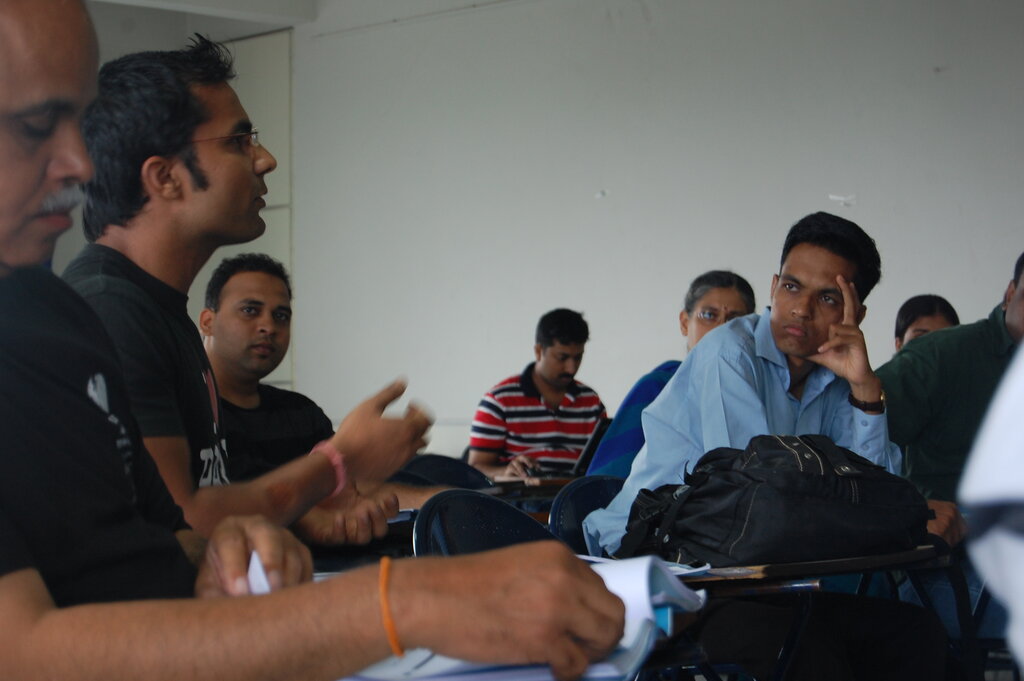
The goal of CSE is to give people the knowledge, skills, and values they need to make responsible choices and navigate relationships. It covers topics like human development, consent, relationships, and sexual health. It aims to empower people to understand their bodies, protect their health, and build respectful relationships throughout their lives.
Good sexuality education provides the foundation for a lifetime of healthy decisions.
Now, let's test what you've learned about the foundations of human sexuality.
Human sexuality is best understood as:
The biological dimension of human sexuality includes which of the following?
Understanding these core concepts is the first step in exploring the rich and complex topic of human sexuality.