Understanding Human Sexuality
Reproductive Anatomy
The Male Reproductive System
The primary role of the male reproductive system is to produce and deliver sperm. This system is composed of several organs, each with a specific job, working together to make reproduction possible.
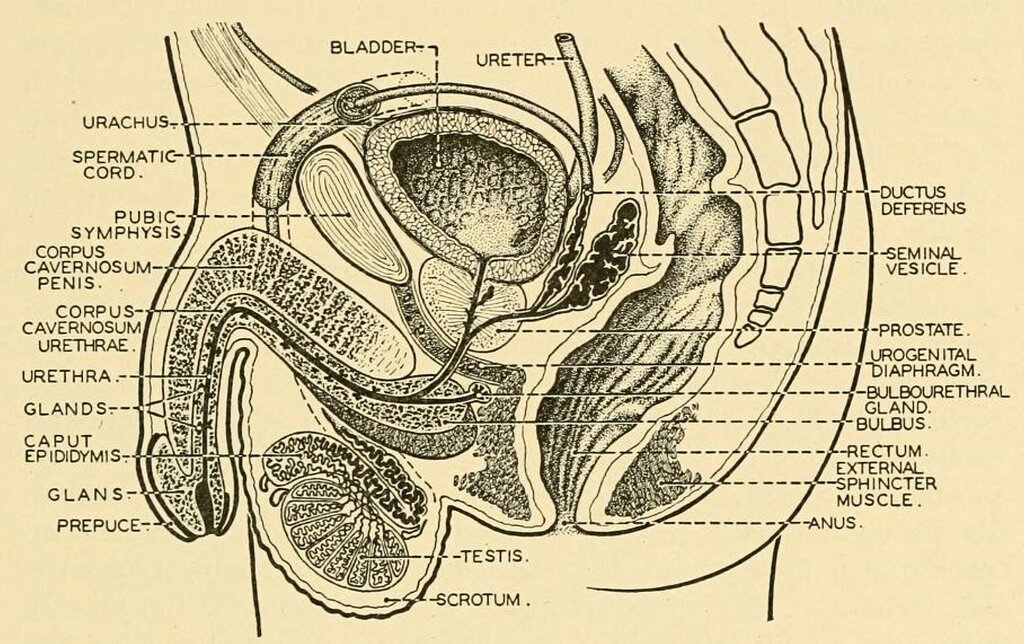
Let's trace the path of sperm to understand how these organs work together. The journey begins in the testes, which are the primary reproductive organs in males. These two oval-shaped glands are held in a pouch of skin called the scrotum, which hangs outside the body to keep the testes at a slightly lower temperature than the rest of the body—a crucial condition for producing healthy sperm.
The main functions of the testes are to produce sperm and the male sex hormone, testosterone.
Once produced, sperm move into the epididymis, a long, coiled tube resting on the back of each testicle. Think of the epididymis as a finishing school where sperm mature and learn to swim. They are stored here until they are ready to be released.
When the time comes, sperm travel through the vas deferens (or ductus deferens), a muscular tube that carries them from the epididymis up into the pelvic cavity. This tube connects to a series of glands that add fluids to the sperm, creating semen.
The first of these glands are the seminal vesicles. These two small glands contribute a significant amount of fluid to the semen, providing sugar (fructose) to give the sperm energy for their journey. Next, the prostate gland, located just below the bladder, adds a milky fluid that helps protect the sperm. The mixture of sperm and fluids from these glands then passes into the urethra.
The penis is the external organ used for urination and sexual intercourse. It contains the urethra, a tube that serves as the exit route for both urine and semen from the body, though not at the same time. The structure of the penis is designed to deliver semen into the female reproductive tract.
The Female Reproductive System
The female reproductive system is designed to produce eggs, receive sperm, provide a site for fertilization, and nurture a developing fetus. Unlike the male system, the female reproductive organs are located almost entirely inside the pelvic cavity.
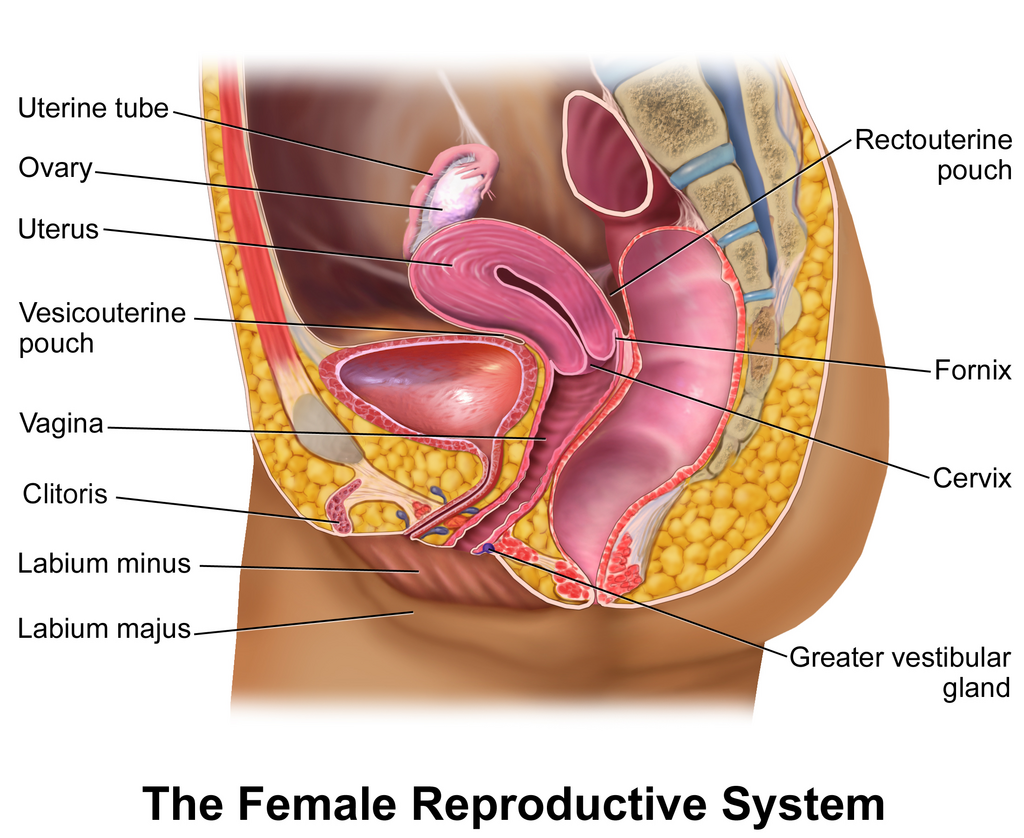
The primary reproductive organs are the ovaries. These are two small, almond-shaped organs located on either side of the uterus. The ovaries have two main jobs: producing eggs (ova) and secreting the female sex hormones, estrogen and progesterone.
Each month, one of the ovaries releases an egg into a fallopian tube (also called an oviduct). These tubes are not directly attached to the ovaries but have finger-like projections called fimbriae that sweep the egg inside. The fallopian tube is typically where fertilization—the joining of sperm and egg—occurs.
From the fallopian tube, the egg—fertilized or not—travels to the uterus. The uterus is a hollow, pear-shaped organ with a thick, muscular wall. If an egg is fertilized, it implants in the uterine wall and begins to develop. The uterus is where a fetus grows and is nourished throughout pregnancy. If the egg is not fertilized, the lining of the uterus is shed during menstruation.
The lower, narrow part of the uterus is called the cervix. It connects the uterus to the vagina and acts as a gateway, opening slightly to allow sperm to enter and widening significantly during childbirth.
The vagina is a muscular tube that connects the cervix to the outside of the body. It serves three key functions: it receives the penis during sexual intercourse, it serves as the canal through which a baby passes during birth, and it allows menstrual fluid to exit the body.
These two systems, male and female, are distinct in their anatomy but complementary in their function. Together, they hold the blueprint for creating new life, with each organ playing a critical and specific role in the process.
What is the primary function of the epididymis?
In which part of the female reproductive system does fertilization typically occur?