Understanding Human Development
Introduction to Human Development
The Unfolding Story of You
Human development is the story of how we change and how we stay the same throughout our lives. It’s a scientific field that looks at our journey from conception to death, exploring the patterns and processes that make us who we are.
This isn't just about what happens in childhood. Every phase of life, from infancy to old age, is a distinct chapter with its own challenges, growth, and transformations. This entire arc is known as the lifespan perspective.
The Three Dimensions
Our development unfolds across three interconnected dimensions. Think of them as different threads woven together to create the fabric of your life.
| Domain | What It Includes |
|---|---|
| Physical | Changes in the body and brain, senses, motor skills, and health. |
| Cognitive | Changes in thought processes, intelligence, and language. |
| Psychosocial | Changes in emotions, personality, and relationships with others. |
A teenager’s growth spurt is a physical change. Learning algebra is cognitive. Making a new best friend is psychosocial. These domains don't exist in isolation; they constantly influence one another. For example, the cognitive challenge of learning to talk is also a physical process of coordinating muscles and a psychosocial act of connecting with others.
Gains and Losses
Development isn't a simple, straight line toward improvement. It’s multidirectional, meaning we experience growth in some areas and decline in others at the same time. An older adult might lose some physical speed but gain a deeper understanding of the world, often called wisdom.
This brings us to another key idea: plasticity. Plasticity is our capacity to change. Throughout life, our brains and behaviors can be molded by experience. You can learn a new language, pick up a new skill, or change your perspective on life at almost any age.
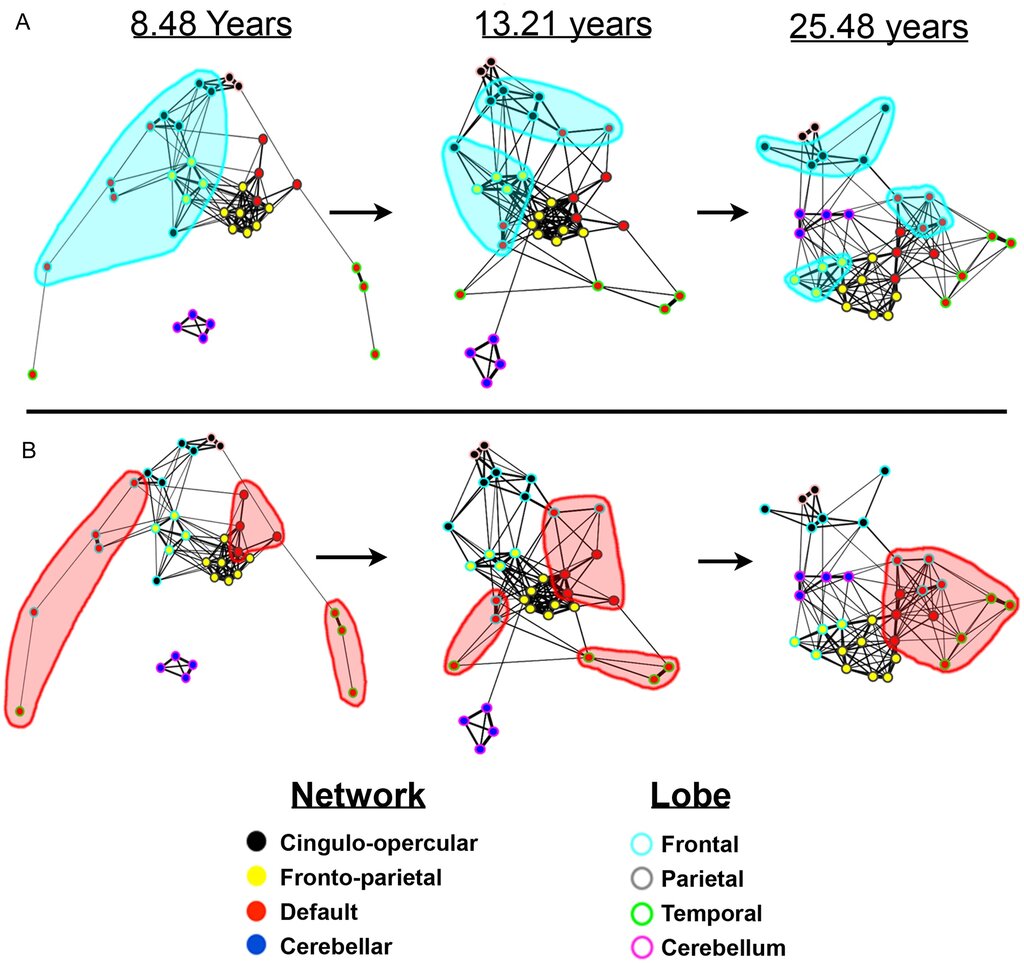
Plasticity means change is always possible, but it doesn't mean change is unlimited. Our potential is shaped by many factors.
Context and Controversy
We don’t develop in a vacuum. Our lives are shaped by our context, which includes our family, culture, social circles, and even the historical period we live in. A person born during a major economic recession will have different life experiences than someone born during a time of peace and prosperity.
This leads to one of the oldest debates in psychology: nature versus nurture. How much of who we are is determined by our genetics (nature), and how much is shaped by our environment and experiences (nurture)? Most experts today agree that it's not an either/or question. Instead, they focus on the complex interplay between the two. Our genes might provide a blueprint, but our environment helps determine how that blueprint is expressed.
Time to review what we've covered.
Let's check your understanding of these foundational ideas.
The "lifespan perspective" in human development emphasizes that...
A teenager's ability to solve complex abstract problems in a math class falls primarily into which developmental domain?
Understanding these core principles—that development is lifelong, multidimensional, multidirectional, plastic, and contextual—gives us a framework for exploring the entire human journey.