Understanding Hmmm
Introduction to Interjections
Words That Pack a Punch
Imagine you stub your toe. What's the first sound you make? It's probably something like, "Ouch!" Or maybe you see an amazing fireworks display. You might say, "Wow!"
These short, powerful expressions are called interjections. They're words or phrases we use to express a sudden feeling or emotion. Think of them as verbal reactions. They aren't grammatically connected to the rest of the sentence, which makes them unique. They often stand alone, followed by an exclamation mark.
Common interjections include: Hey!, Oh!, Oops!, Alas!, and Yikes!
interjection
noun
An abrupt remark, made especially as an aside or interruption. A word or expression that occurs as an utterance on its own and expresses a spontaneous feeling or reaction.
Two Main Kinds
Interjections can be sorted into two main categories: primary and secondary.
Primary interjections are words that exist solely to be interjections. You wouldn't use them for any other purpose in a sentence. Words like Aha!, Phew!, and Oops! fall into this group. They are pure, standalone expressions of feeling.
Secondary interjections are words borrowed from other parts of speech, like nouns, adjectives, or verbs. When you exclaim, "Goodness!" or "Help!", you're using a noun as an interjection. Similarly, saying "Well!" uses an adverb as a way to express surprise or thought.
| Type | Description | Examples |
|---|---|---|
| Primary | Words used only as interjections. | Aha!, Oops!, Phew!, Yikes! |
| Secondary | Words from other parts of speech used as interjections. | Well!, Goodness!, Shoot!, Heavens! |
Adding Emotion and Tone
So, why do we use these words? Interjections are the spice of language. They add flavor and emotion to our communication, making it feel more real and immediate. They give clues about the speaker's feelings and attitude.
Consider the difference between these two sentences:
- I lost my keys.
- Ugh! I lost my keys.
The first sentence is a simple statement of fact. The second one, with the interjection "Ugh!", immediately tells you the speaker is frustrated. Interjections convey tone in writing that would be obvious from a person's voice in a conversation.
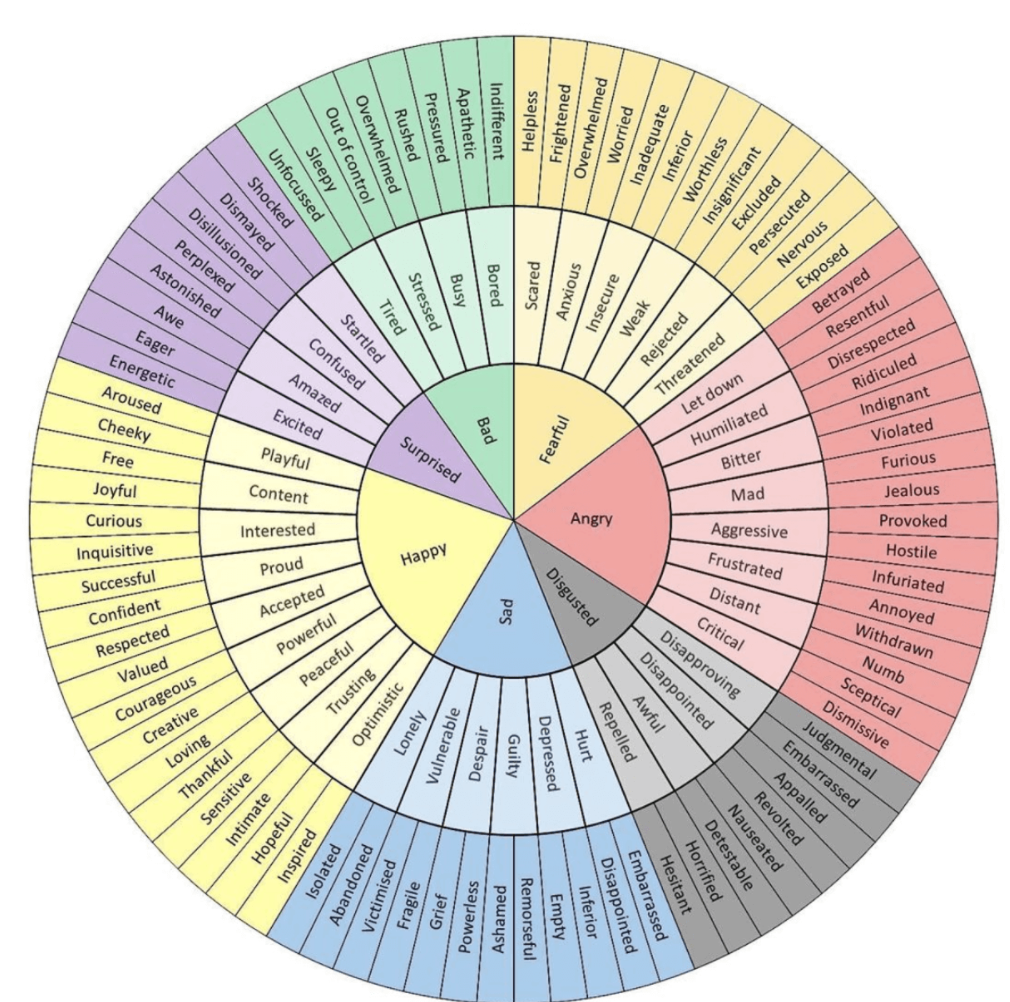
They serve many functions, from grabbing someone's attention ("Hey!") to expressing pain ("Ouch!"), surprise ("Whoa!"), or happiness ("Yay!"). Without them, our language would be much less colorful and expressive.
Now, let's test your understanding of these expressive little words.
What is the primary function of an interjection in a sentence?
Which of the following is an example of a primary interjection?
Understanding interjections helps you grasp the emotional side of language and how we convey feelings quickly and effectively.