Understanding History
Introduction to History
What Is History?
History isn't just a list of dates, kings, and battles. Think of it as the grand story of humanity. It’s the study of the past, but more importantly, it’s about understanding how past events have shaped our present world. It's a detective story on a massive scale, where we piece together clues to understand who we are and how we got here.
history
noun
The study of past events, particularly in human affairs.
The scope of history is vast. It covers everything from the rise and fall of empires to the invention of the toaster. It examines politics, economics, culture, and the daily lives of ordinary people. By looking at this rich tapestry, we can start to see patterns, understand change, and appreciate the complexity of human societies.
History is the story of who we are, where we've come from, and where we might be going.
How We See the Past
The way we study history hasn't always been the same. It has evolved over centuries. Early forms of history were often chronicles written to glorify rulers or simple lists of events. The ancient Greek writer Herodotus is often called the "Father of History" because he was one of the first to travel, ask questions, and try to explain why events happened, rather than just recording them.
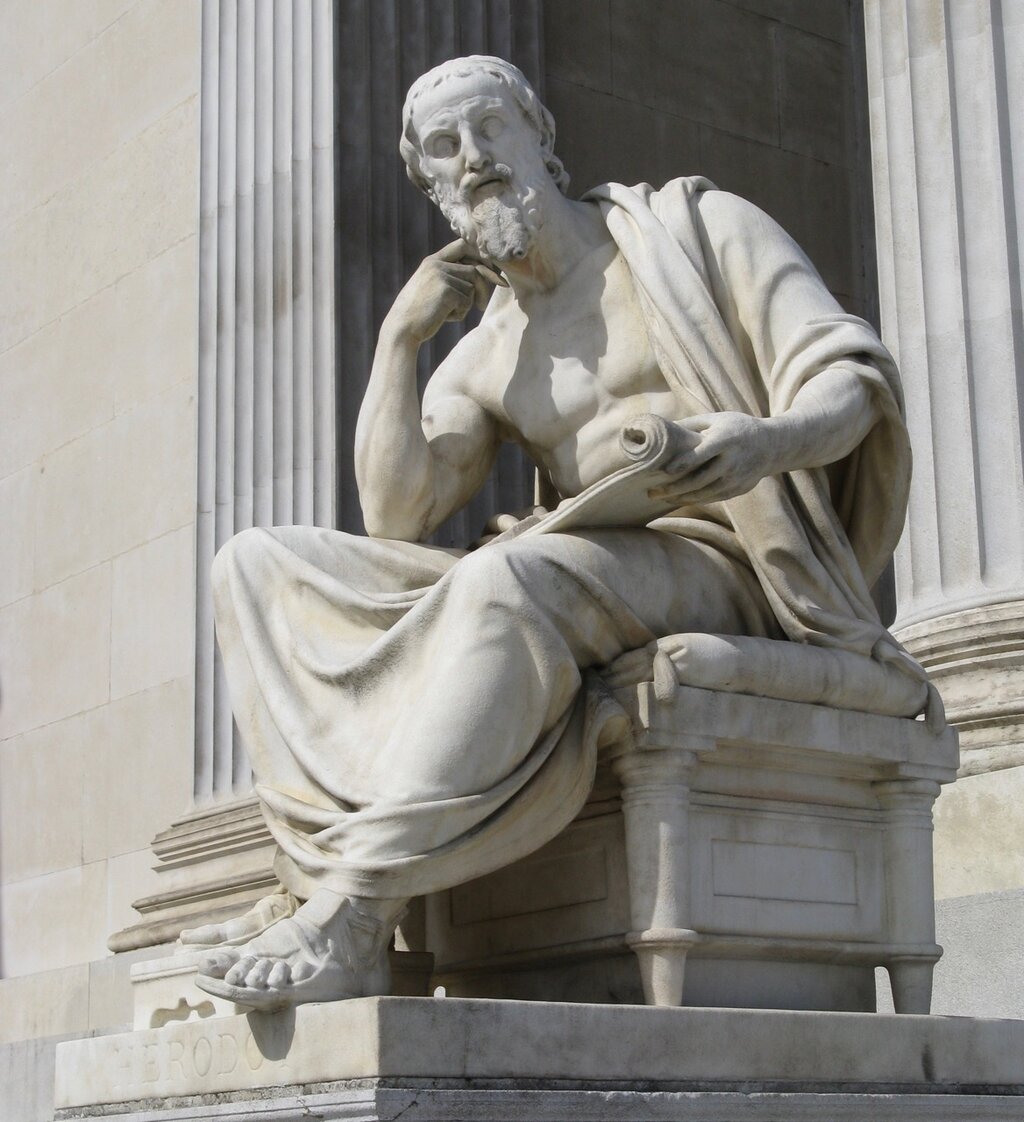
For a long time, history focused on politics, wars, and the lives of
History is what’s produced when a historian looks at the residue of the past – the fragments, material, sources, or clues left behind – and analyzes, interprets, and pieces together a story or argument about what happened.
Over time, this narrow focus expanded. In the 20th century, historians began to look beyond the rich and powerful. They started asking questions about the lives of women, minorities, workers, and families. This led to new fields like social history and cultural history, which explore how everyday people lived and what they believed. Today, history is more inclusive than ever, aiming to tell the stories of all people, not just a select few.
Why History Matters
Why bother with the past? Because it’s all around us. The languages we speak, the technologies we use, and the beliefs we hold are all products of history. Studying the past gives us a crucial perspective on the present. It helps us understand why societies are the way they are and how they might change in the future.
History also teaches critical thinking. It trains us to analyze evidence, evaluate different arguments, and recognize bias. When we read a historical account, we learn to ask important questions: Who wrote this? Why did they write it? What perspective are they leaving out? These skills are essential not just for understanding the past, but for navigating the complex world we live in today.
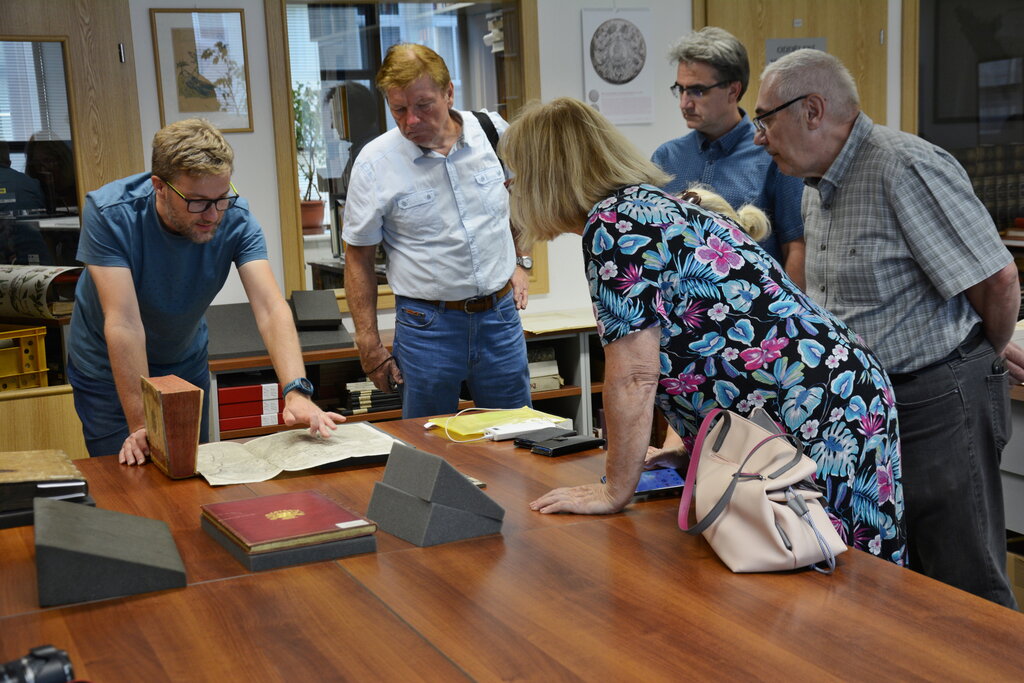
Ultimately, history fosters empathy. By stepping into the shoes of people from different times and places, we can better understand the diversity of human experience. It reminds us that our own world is not the only one possible and that people in the past faced challenges, made choices, and lived lives as complex and meaningful as our own.
What is the primary goal of studying history, according to the text?
Who is often called the 'Father of History' for being one of the first to try to explain why events happened?
A solid grasp of what history is and why it matters is the first step in exploring the human story.