Understanding High LDL Cholesterol
Understanding LDL Cholesterol
The Delivery Service
Cholesterol is a waxy substance your body needs to build healthy cells, produce hormones, and make vitamin D. But because it's a fat, it can't dissolve and travel through your watery bloodstream on its own. To get around, it hitches a ride inside packages called lipoproteins.
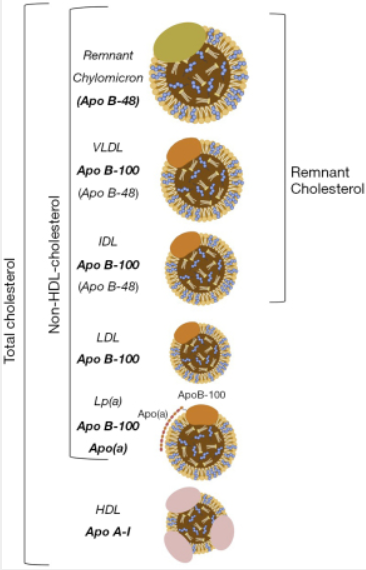
Think of lipoproteins as tiny molecular transport ships. The one we're focused on here is low-density lipoprotein, or LDL. Its main job is to carry cholesterol from your liver out to the cells throughout your body.
LDL is often called 'bad' cholesterol because when you have too much of it circulating, it can start to cause problems in your arteries.
Good Crew, Bad Crew
To understand LDL's role, it helps to compare it to its counterpart: high-density lipoprotein (HDL). While LDL delivers cholesterol to the cells, HDL does the opposite. It acts like a cleanup crew, scavenging for excess cholesterol in your body and carrying it back to the liver to be broken down and removed.
There are two main types of cholesterol, characterized by two types of protein molecules that carry cholesterol in the blood: low-density lipoprotein (LDL) and high-density lipoprotein (HDL).
You can think of it like a road system. LDL is the delivery fleet, and HDL is the maintenance crew. A well-functioning system needs both. But if there are too many delivery trucks (LDL) and not enough maintenance workers (HDL), cargo can start to spill and pile up along the roadside.
A Traffic Jam in the Arteries
When there's an excess of LDL cholesterol in the blood, it can deposit itself into the walls of your arteries. Over time, these fatty deposits, along with other substances like calcium and cellular waste, build up and harden into something called plaque.
Plaque
noun
A sticky substance made up of fat, cholesterol, calcium, and other substances found in the blood. In blood vessels, it can build up and restrict blood flow.
This process is called atherosclerosis. As plaque grows, it narrows the arteries, making them stiffer and less flexible. This restricts the amount of oxygen-rich blood that can reach your vital organs, especially your heart and brain.
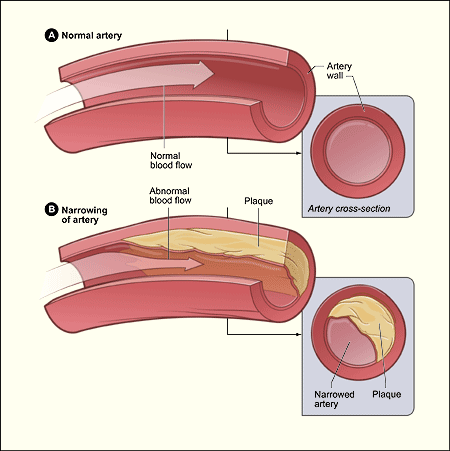
The risks don't stop there. Sometimes, a piece of this plaque can break open. When that happens, the body tries to heal the injury by forming a blood clot. If the clot is large enough, it can completely block the artery, cutting off blood flow and potentially causing a heart attack or stroke.
LDL-C is often referred to as bad cholesterol and can cause plaque to build in arteries, leading to cardiovascular disease, which can increase the risk of strokes, heart attacks and death.
Now let's review these key concepts.
Ready to test your knowledge?
What is the primary function of low-density lipoprotein (LDL)?
The process of plaque building up and hardening in the artery walls is called:
Keeping a healthy balance between LDL and HDL cholesterol is crucial for maintaining the health of your cardiovascular system.