Understanding Health Policy
Introduction to Health Policy
What Is Health Policy?
Health policy refers to the decisions, plans, and actions taken to achieve specific healthcare goals within a society. Think of it as the set of rules that shapes how we approach health, from preventing diseases to treating them. It's not just one big law, but a web of legislation, regulations, and guidelines that influence our health systems and personal well-being.
policy
noun
A course or principle of action adopted or proposed by a government, party, business, or individual.
Why does this matter? Because these policies affect everyone. They determine which services are available, who can access them, and how they are paid for. For example, a local policy requiring restaurants to display calorie counts on menus is a health policy. So is a national law that funds vaccine research or regulates the safety of prescription drugs.
Essentially, health policy is the collective effort to create a healthier population by guiding actions and investments in healthcare.
Who Shapes Health Policy?
Creating health policy is a complex process involving many different players. These stakeholders all have unique interests and exert influence in different ways.
Government agencies are at the center. At the national level, organizations like the Centers for Disease Control and Prevention (CDC) and the Food and Drug Administration (FDA) set standards and conduct research. State and local health departments implement programs and enforce regulations tailored to their communities.
Non-governmental organizations (NGOs) also play a crucial role. Groups like the American Heart Association or the Bill & Melinda Gates Foundation advocate for specific health issues, fund research, and provide services. They often represent the voice of patients or specific communities, pushing for policies that address their needs.
The private sector is another major influencer. This includes insurance companies, pharmaceutical firms, hospitals, and technology companies. Their business practices and innovations can directly shape how healthcare is delivered and financed. For example, an insurance company's decision to cover a new treatment can make it accessible to millions.
Finally, the public—including patients, community leaders, and voters—can shape policy through advocacy, elections, and public opinion. All these groups interact, creating a dynamic and often competitive environment where policies are debated, negotiated, and formed.
A Quick Look Back
Health policy isn't a new idea. Its roots go back centuries to the earliest public health measures. Ancient civilizations understood the need for sanitation to prevent disease, and cities in medieval Europe used quarantine to control the spread of plagues. These were early forms of health policy.
The modern era of health policy began to take shape in the 19th and 20th centuries. Scientific breakthroughs led to a better understanding of disease, and governments started creating formal public health departments. This period saw the rise of policies focused on hygiene, food safety, and workplace safety.
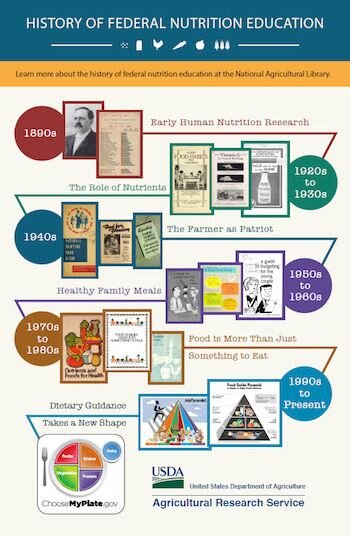
A major shift occurred in the mid-20th century, as many countries began to see healthcare as a right, not a privilege. This led to the creation of national health systems, like the National Health Service (NHS) in the United Kingdom, and landmark government-funded insurance programs like Medicare and Medicaid in the United States. These policies fundamentally changed the role of government in healthcare, expanding access for millions of elderly, disabled, and low-income individuals.
The Real-World Impact
The ultimate goal of health policy is to improve public health outcomes. When effective, these policies can have a profound and lasting impact on a population's well-being.
Consider the success of vaccination policies. Mandates for childhood immunizations have dramatically reduced or even eliminated diseases like measles, polio, and smallpox. These policies prevent suffering and save millions of lives.
Another powerful example is tobacco control. Policies that restrict smoking in public places, tax tobacco products, and fund anti-smoking campaigns have led to a significant decline in smoking rates. This, in turn, has reduced rates of lung cancer, heart disease, and other smoking-related illnesses.
From clean water regulations that prevent cholera to traffic safety laws that mandate seatbelts, health policy works quietly in the background to keep us safe and healthy every day.
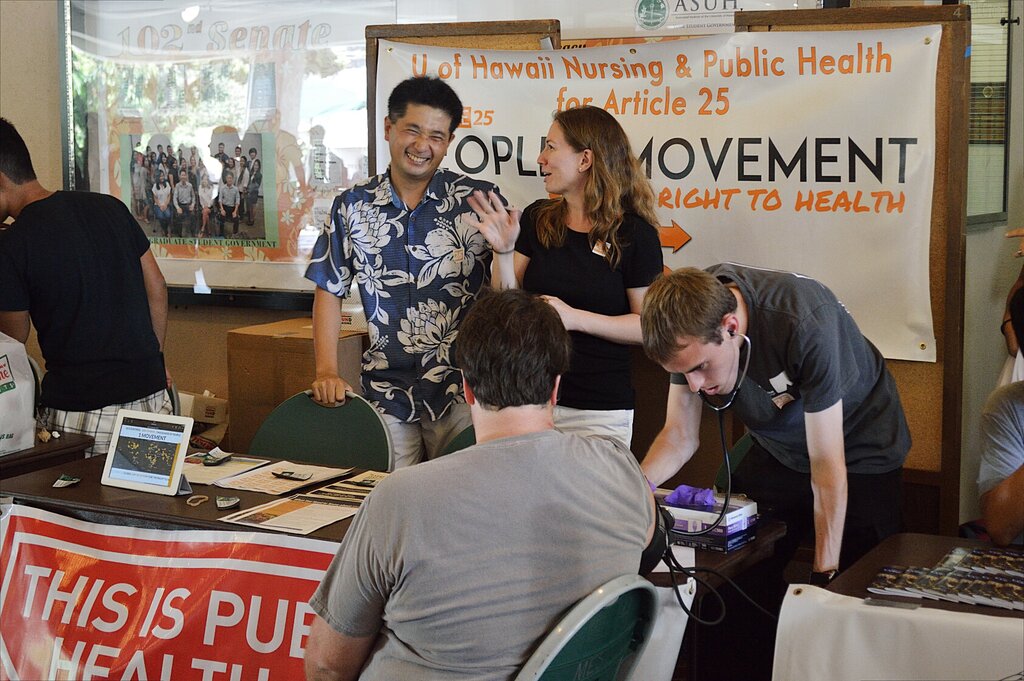
These examples show that well-designed health policies are one of the most powerful tools we have for building healthier communities and improving quality of life.
What is the primary function of health policy?
Which of the following groups is NOT described as a key player in shaping health policy?