Understanding Group Dynamics
Introduction to Group Dynamics
What Is Group Dynamics?
Think about the last time you were in a group. Maybe it was a project team at work, your family deciding on dinner, or friends planning a trip. You weren't just a collection of individuals; you were interacting, influencing each other, and working toward a goal. Those invisible forces that shape how a group behaves are the essence of group dynamics.
dynamics
noun
Forces or properties that stimulate growth, development, or change within a system or process.
Group dynamics is the study of these interactions. It looks at how groups form, what holds them together, and what makes them effective or ineffective. It’s not just about what a group accomplishes, but how it gets there. Who talks the most? Who plays the peacemaker? How are decisions really made? These are the questions at the heart of group dynamics.
Why It Matters
We are social creatures. From our families to our workplaces, we live and operate in groups. Understanding the forces at play within them is a critical life skill. When we grasp the basics of group dynamics, we can turn a dysfunctional team into a productive one, lead more effective meetings, and navigate social situations with more confidence.
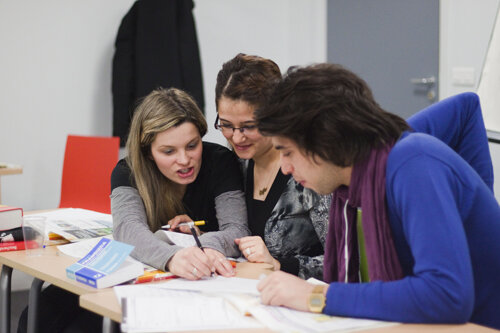
Imagine a work team that keeps missing deadlines. A surface-level look might blame individuals for being lazy. But a group dynamics perspective might reveal a different story. Perhaps the team leader is too authoritarian, stifling creativity. Or maybe there's an unspoken conflict between two key members, causing communication breakdowns. By understanding the group's dynamics, you can identify the root cause and find a real solution.
The Life of a Group
Groups aren't static; they evolve. Most groups go through predictable stages of development. A common way to think about this is a four-stage process:
- Forming: This is the polite, get-to-know-you phase. Members are figuring out the rules and who's who. There's a lot of uncertainty and dependence on a leader.
- Storming: Conflict emerges. People start to push back against boundaries, and disagreements over goals or methods are common. This stage can be uncomfortable, but it's necessary for the group to grow.
- Norming: The group starts to resolve its differences. Members appreciate each other's strengths, and a sense of unity develops. They agree on rules and values, creating a shared understanding of how to work together.
- Performing: The group is now mature and functioning effectively. With established structures and clear roles, the focus shifts to achieving the collective goal. Teamwork feels natural and efficient.
Not every group reaches the performing stage. Some get stuck in the storming phase indefinitely, plagued by unresolved conflict.
Within any group, an informal structure quickly emerges. Think about your own circle of friends. Even without official titles, you probably know who the “planner” is, who the “comedian” is, and who the “listener” is. These are informal roles. They define our function within the group and set expectations for our behavior.
| Role Type | Description | Example |
|---|---|---|
| Task Roles | Help the group achieve its goals. | The information-giver who shares facts, or the organizer who keeps everyone on track. |
| Maintenance Roles | Help the group stay harmonious and collaborative. | The harmonizer who mediates conflicts, or the encourager who praises others' contributions. |
| Dysfunctional Roles | Hinder the group's progress. | The blocker who rejects ideas without reason, or the dominator who interrupts others. |
A group’s success often depends on its members' ability to balance these roles. A team with too many task-focused members might be efficient but lack morale. A team with only maintenance-focused members might get along great but never finish its project. Recognizing and adapting roles is key to a healthy, high-performing group.
What is the primary focus of the study of group dynamics?
A new project team has been formed. Members are polite and cautious, spending most of their time trying to understand the project goals and who is in charge. Which stage of group development is this team most likely in?
Understanding these basic elements—what a group is, how it forms, and the roles people play—gives you a powerful lens for looking at the social world around you.