Understanding Group Conflicts
Introduction to Group Dynamics
The Power of Us
Humans are social creatures. From families and friend groups to work teams and online communities, we constantly form, join, and interact within groups. The way people behave in these settings isn't random. It follows predictable patterns, driven by a powerful, often invisible force called group dynamics.
Group Dynamics
noun
The system of behaviors and psychological processes occurring within a social group (intra-group dynamics), or between social groups (inter-group dynamics).
Think of it as the personality of a group. It’s the underlying current that shapes attitudes, actions, and decisions. A sports team that works seamlessly together has strong, positive dynamics. An office where meetings go in circles is likely struggling with its group dynamics. Understanding these forces helps us see why some groups thrive while others falter.
How Groups Come to Life
Groups don't just appear fully formed. They evolve over time, often moving through several distinct stages. One of the most well-known models for this process was developed by psychologist Bruce Tuckman. He identified a common path that new groups take as they learn to work together.
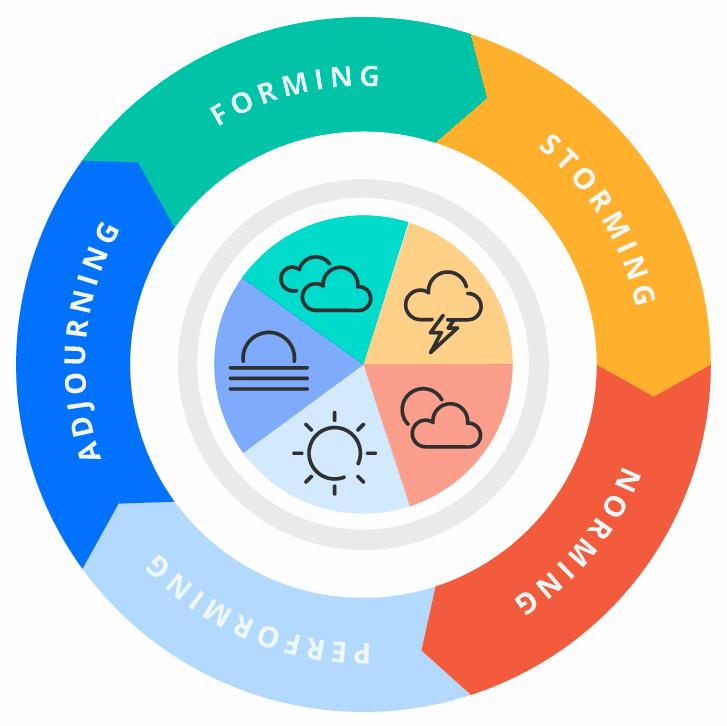
Here’s a quick look at the stages:
-
Forming: The group first comes together. People are often polite and a bit uncertain. They're focused on understanding the group's purpose and getting to know one another.
-
Storming: This is where things get a little messy. Members start to push boundaries and express their individual opinions. Disagreements and conflicts can arise as people compete for roles and status.
-
Norming: The group begins to resolve its differences. Members start to appreciate each other's strengths, develop a sense of shared commitment, and establish ground rules for how to work together.
-
Performing: With established norms and roles, the group can focus on achieving its goals. The structure is now functional and flexible, and energy is directed toward the task at hand.
-
Adjourning: For temporary groups, like a school project team, this is the final stage. The group completes its task and disbands.
Not every group follows these stages perfectly, but they provide a useful map for understanding how a collection of individuals becomes a unified team.
The Unwritten Rules of the Group
Within any group, two key elements emerge that guide behavior: roles and norms. They are the building blocks of a group's structure.
Roles are the specific parts individuals play within the group. Some roles are formal, like a designated "team leader." Others are informal and emerge naturally, such as the "peacemaker" who resolves disputes or the "idea person" who always brings creative solutions.
Norms, on the other hand, are the unwritten rules and shared expectations for how all members should behave. They define what is considered acceptable or unacceptable. A norm could be anything from "always arrive on time for meetings" to "it's okay to challenge ideas respectfully."
| Concept | Description | Example |
|---|---|---|
| Role | A specific position or part played by an individual. | The person who always takes notes in a meeting. |
| Norm | A shared standard of behavior for the entire group. | The group's expectation that all members participate in discussions. |
Together, roles and norms create a stable and predictable environment, allowing the group to function without having to constantly negotiate every interaction. When roles are clear and norms are accepted, the group can operate much more efficiently.
From Me to We
Perhaps the most profound aspect of group dynamics is how a group shapes our sense of self. When we join a group, it doesn't just add a label to our identity; it can fundamentally change how we see ourselves and the world.
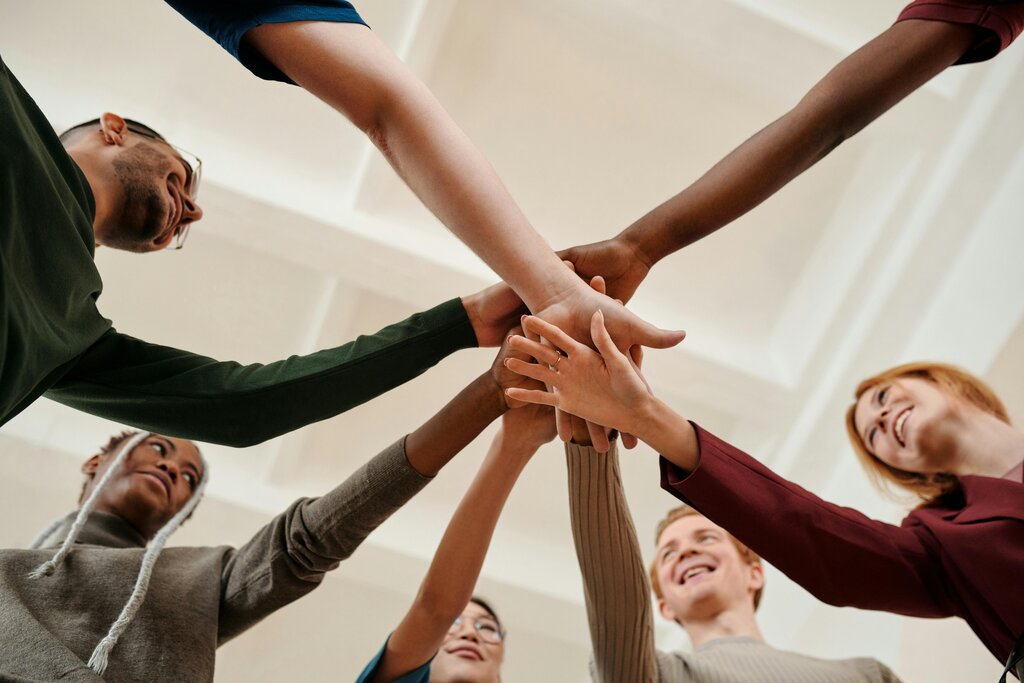
This is the core idea behind social identity theory. It suggests that a part of our self-concept comes from the groups we belong to. Being a fan of a certain sports team, a member of a book club, or an employee at a specific company contributes to who we are. We start to think in terms of "we" instead of just "I."
This group identity comes with a sense of pride and belonging. It connects us to others and can boost our self-esteem. The stronger the group's cohesion, or the emotional bond between members, the more powerful this effect becomes. Cohesion is the glue that holds a group together, fueled by shared goals, mutual respect, and successful collaboration.
When we identify strongly with a group, we are more likely to adopt its norms, values, and behaviors. This powerful sense of belonging is a cornerstone of human psychology and a driving force behind both incredible cooperation and complex social challenges.
Ready to check your understanding? Let's see what you've learned about the fundamentals of group dynamics.
What is the best description of "group dynamics"?
A new project team has just been formed. Members are polite, but conversations are superficial as everyone tries to understand the project's goals and what is expected of them. Which of Tuckman's stages is the team most likely in?
By understanding how groups form, establish rules, and shape our identity, we gain valuable insight into the social world around us.