Understanding Google
Introduction to Google
A Better Way to Search
In the mid-1990s, the internet was a chaotic, disorganized place. Finding useful information was a major challenge. At Stanford University, two PhD students, Larry Page and Sergey Brin, had a revolutionary idea. They believed they could create a better search engine by analyzing the relationships between websites.
The story of Google began with a research project that aimed to improve the way information was indexed on the internet.
Their project, nicknamed "BackRub," ranked websites based on how many other sites linked to them. The more links a page had, the more important it was deemed to be. This was a radical departure from existing search engines, which simply ranked results based on how often a term appeared on a page.
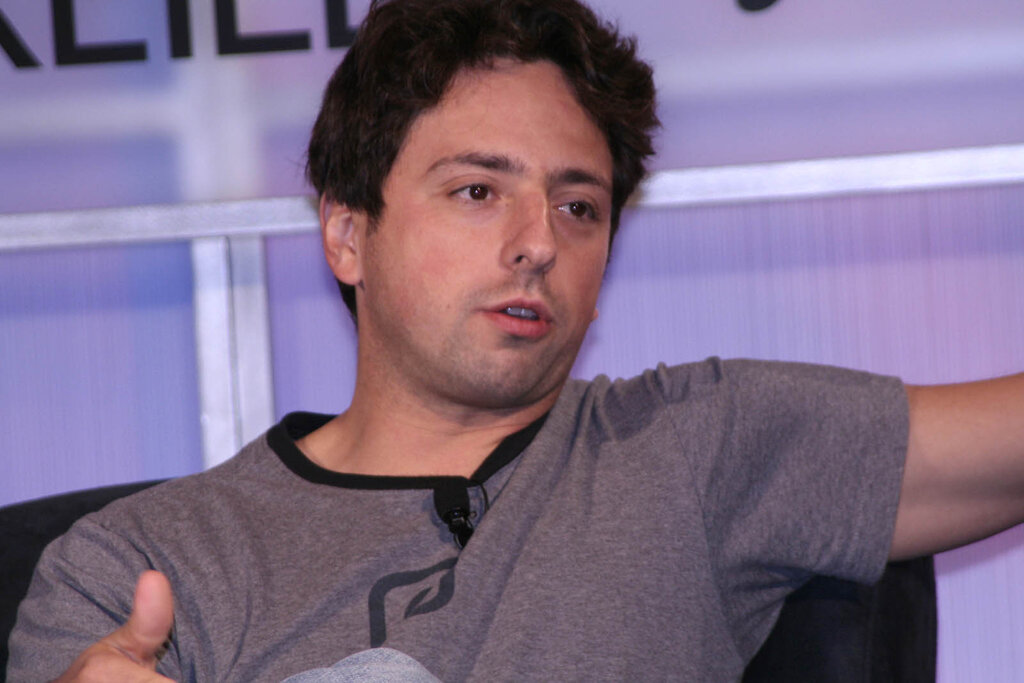
The project quickly outgrew Stanford's servers. In 1998, with a $100,000 investment, Page and Brin officially founded Google Inc. in a friend's garage in Menlo Park, California.
An Ambitious Mission
From the beginning, Google had a clear and powerful goal.
To organize the world's information and make it universally accessible and useful.
This mission was reflected in the company's name. "Google" is a play on the word "googol," a mathematical term for the number one followed by 100 zeros. It captured the immense scale of the founders' ambition.
Page and Brin eventually renamed the search engine Google, as a play on the word “googol,” a mathematical term represented by the numeral one followed by 100 zeros–a reflection of their mission to organize the seemingly infinite amount of information on the internet.
This guiding principle pushed the company to continually innovate, ensuring that its search results were not only comprehensive but also highly relevant to what users were looking for.
Key Milestones
Google's growth from a garage startup to a global powerhouse was marked by several pivotal moments.
| Year | Milestone |
|---|---|
| 1998 | Google Inc. is officially founded. |
| 2000 | Introduces AdWords, a self-service platform for creating online ads. |
| 2004 | Launches Gmail, offering a revolutionary 1GB of storage. |
| 2004 | Google holds its Initial Public Offering (IPO). |
| 2005 | Acquires Android, a mobile operating system. |
| 2006 | Acquires YouTube, the popular video-sharing platform. |
| 2008 | Launches the Chrome web browser. |
| 2015 | Restructures under a new parent company, Alphabet Inc. |
These steps weren't just about adding new products. They represented a continuous evolution of how Google approached its core mission, expanding from organizing web pages to organizing everything from emails and videos to the world's geographical information.
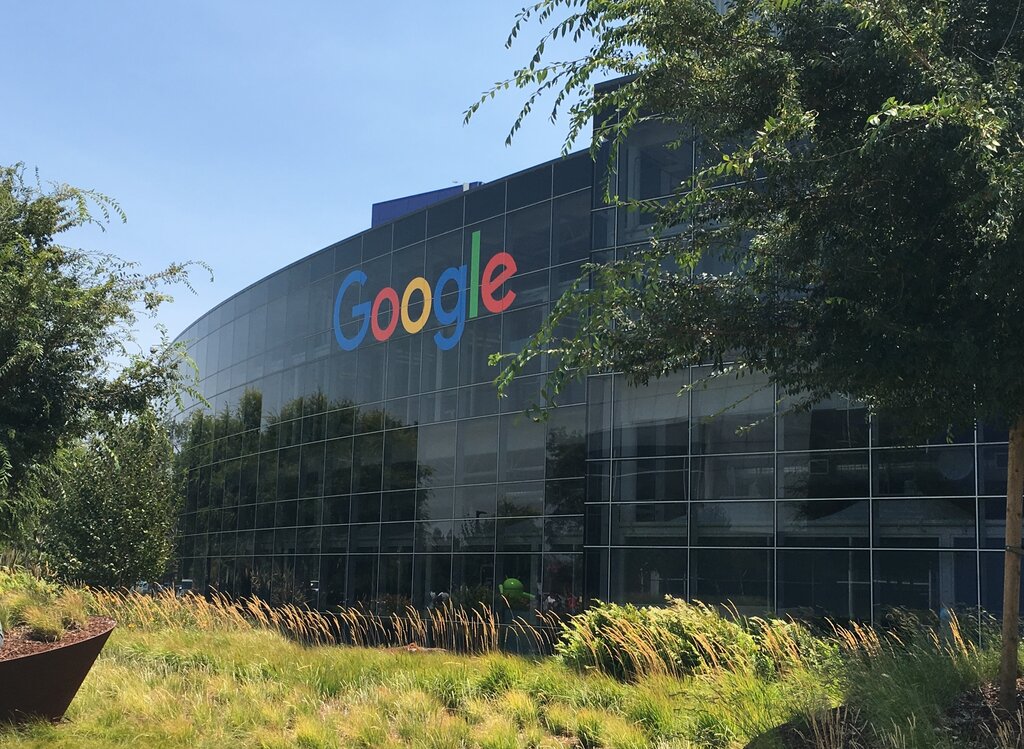
Each milestone built upon the last, cementing Google's role as a fundamental part of the digital landscape. Let's test your knowledge on Google's origins.
What was the original name for the search engine project created by Larry Page and Sergey Brin at Stanford University?
What was the key innovation that made Google's early search algorithm different from its competitors?
From a university research project to a household name, Google's story is a cornerstone of the modern internet. Its initial focus on organizing information has blossomed into a vast ecosystem of tools that shape how we work, play, and learn.