Understanding Gluten Intolerance
Understanding Gluten
What Is Gluten, Anyway?
You’ve probably seen the term “gluten-free” on countless food labels. But what exactly is gluten? Simply put, it's a family of proteins found in certain cereal grains, most notably wheat, barley, and rye.
Gluten
noun
A mixture of proteins, primarily glutenin and gliadin, found in the endosperm of some cereal grains. It gives dough its elasticity.
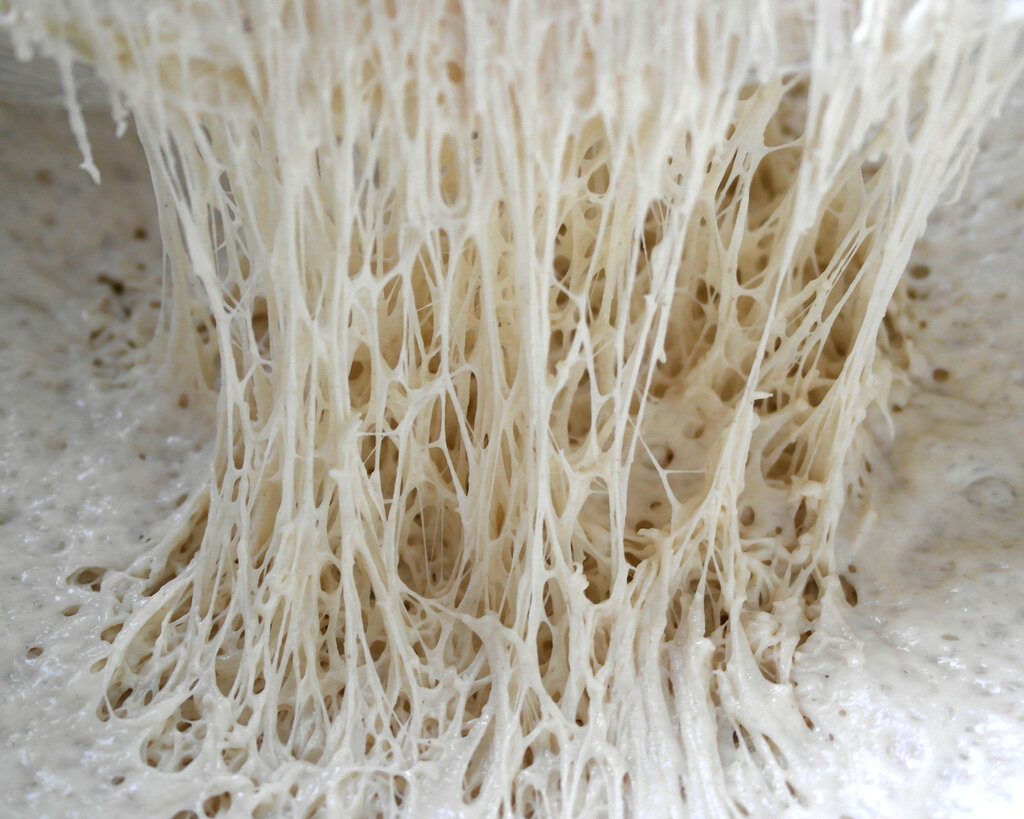
Gluten isn't just sitting in a bag of flour waiting to be used. It forms when two of its component proteins, glutenin and gliadin, come into contact with water. When you knead dough, you're helping these proteins link up to create a sticky, elastic network. Think of it like weaving individual threads into a strong, stretchy fabric.
The Baker's Best Friend
This elastic network is what makes gluten so valuable in baking. As yeast in bread dough ferments, it releases carbon dioxide gas. The gluten network traps these gas bubbles, allowing the dough to rise and create the light, airy texture we love in bread, pizza crusts, and pastries. Without gluten, bread would be dense and crumbly.
Gluten strands are essential for creating a good structure in your dough.
The elasticity of gluten allows the dough to be stretched and shaped without tearing. The more you work the dough, the stronger this network becomes. This is why bread recipes call for specific kneading times—it’s all about developing the gluten to the perfect strength for the desired texture. It also provides the chewiness in foods like pasta and bagels.
Where Gluten Hides
The primary sources of gluten are wheat, barley, and rye. Since wheat is a staple in many diets around the world, gluten is found in a vast number of foods.
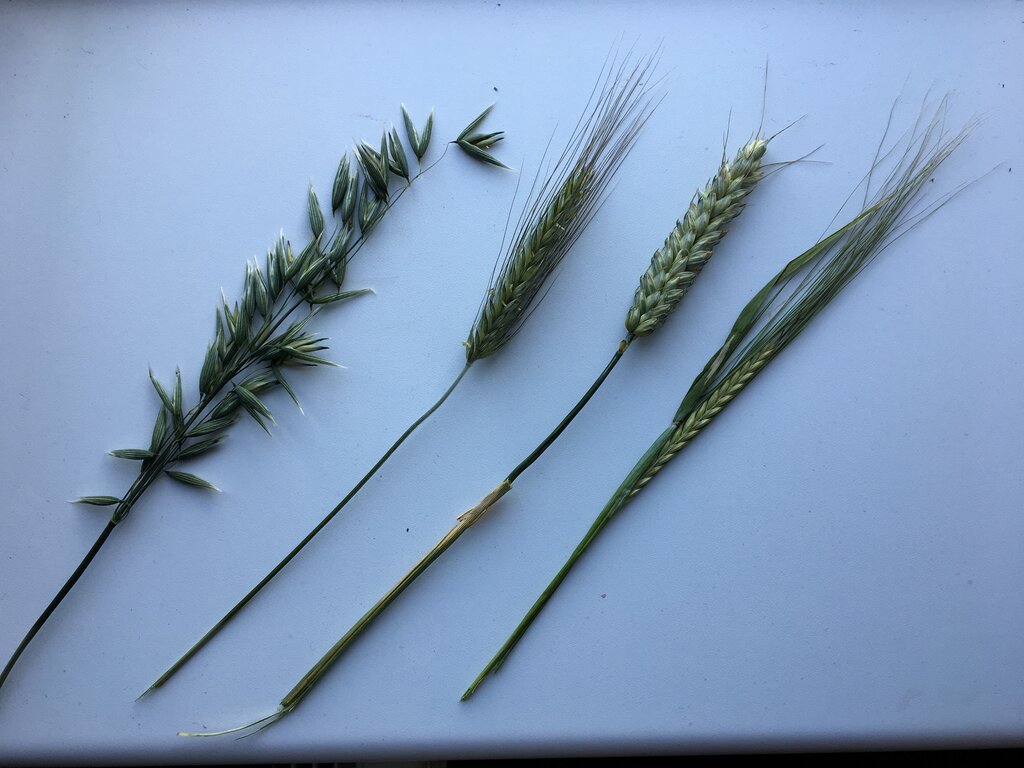
It’s not always obvious where you'll find these grains. Besides the usual suspects like bread and pasta, gluten can be an ingredient in sauces, soups, salad dressings, and even beer.
| Grain | Common Foods and Drinks |
|---|---|
| Wheat | Breads, pasta, cereals, pastries, flour tortillas, couscous |
| Barley | Beer, malt vinegar, food coloring, soups, some cereals |
| Rye | Rye bread (like pumpernickel), rye crackers, some whiskeys |
Clearing Up Confusion
With so much talk about gluten, a few myths have emerged. Let's set the record straight on some common ones.
One major misconception is that gluten is inherently unhealthy for everyone. For the vast majority of people, gluten is a harmless protein that is part of a healthy diet. It only causes problems for individuals with specific medical conditions like celiac disease or a diagnosed gluten sensitivity.
Another common belief is that a gluten-free diet is a guaranteed path to weight loss or better health. This isn't necessarily true. Many processed gluten-free products contain more sugar, fat, and sodium than their gluten-containing counterparts to make up for the lack of texture and flavor. Whole foods like fruits, vegetables, and lean proteins are the foundation of a healthy diet, whether it includes gluten or not.
What is gluten?
How is the elastic gluten network formed?
Understanding what gluten is and its role in our food is the first step to making informed dietary choices.