Understanding GLP-1 Agonists
Introduction to GLP-1 Receptor Agonists
Meet GLP-1
To understand a class of medications called GLP-1 receptor agonists, we first need to talk about GLP-1 itself. GLP-1, which stands for glucagon-like peptide-1, is a hormone your body naturally makes. It plays a key role in managing your blood sugar levels, especially after you eat.
When you have a meal, specialized cells in your intestine, called L-cells, release GLP-1. This hormone then travels through your bloodstream and sends out a few important signals to the rest of your body. It's like a traffic controller for the sugar (glucose) entering your system.
Think of GLP-1 as your body's built-in blood sugar manager. It kicks into gear right when you need it most—after a meal.
How GLP-1 Works
Once released, GLP-1 has several jobs that work together to keep blood glucose in a healthy range. This process is known as glucose homeostasis.
First, it signals the pancreas to release insulin. Insulin is the hormone that helps your cells absorb glucose from the blood to use for energy. GLP-1 is smart, though—it only prompts this insulin release when blood sugar is rising, which helps prevent levels from dropping too low.
Second, GLP-1 tells the liver to put the brakes on producing its own glucose. Your liver can make and release sugar, but after a meal, you don't need that extra supply. GLP-1 helps turn it off.
Finally, it slows down gastric emptying. This means the food you've eaten moves from your stomach to your small intestine more slowly. This slower pace prevents a rapid spike in blood sugar and can also help you feel full for longer.
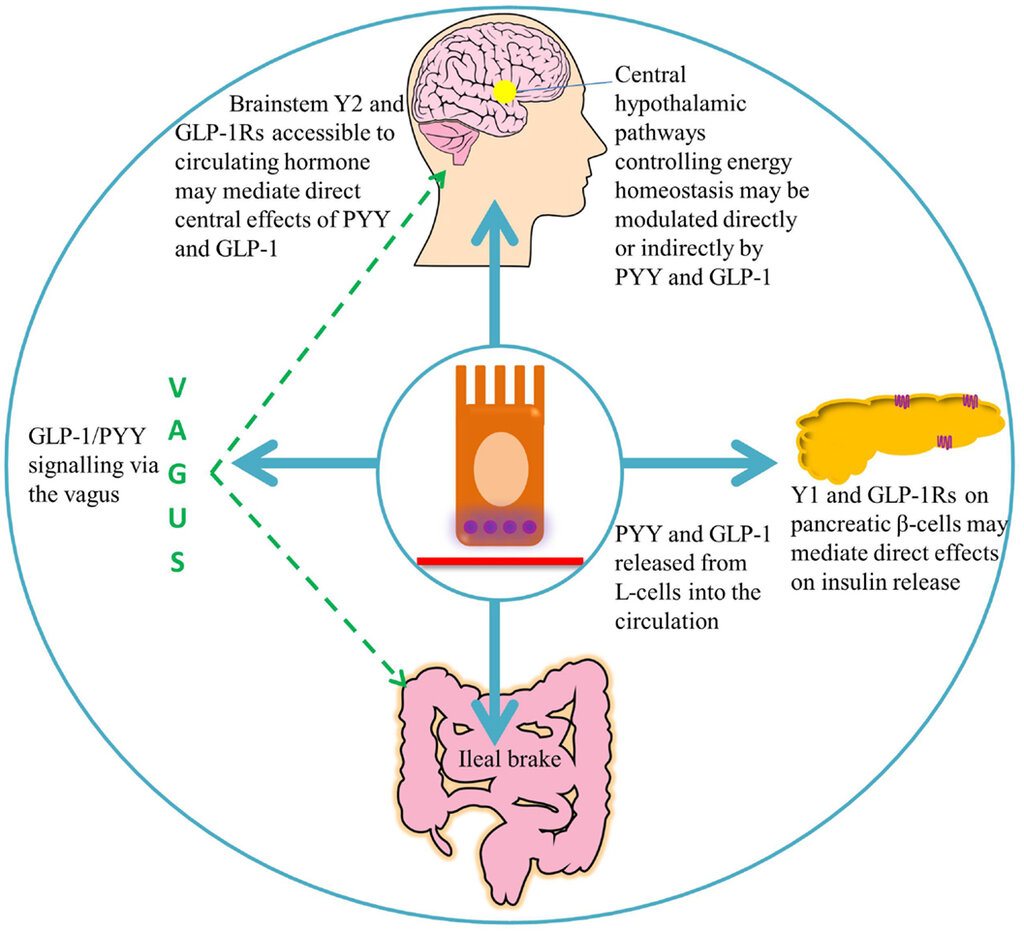
In people with type 2 diabetes, this natural GLP-1 signaling system may not work as effectively. The body might not produce enough GLP-1, or the cells may not respond to it as well as they should. This is where medications can help.
Medications That Lend a Hand
GLP-1 receptor agonists are medications designed to step in and assist this natural process. The term "agonist" simply means something that activates a receptor to produce a biological response. In this case, these drugs mimic the action of your body's own GLP-1 hormone.
They bind to the same receptors as natural GLP-1 and send the same signals: stimulate insulin release when needed, reduce glucose production from the liver, and slow down digestion.
The GLP-1 RAs are medicines designed to work like the GLP-1 hormone your body naturally makes and help to amplify (increase) its effects.
By enhancing these effects, GLP-1 receptor agonists help people with type 2 diabetes gain better control over their blood sugar levels. They essentially give a boost to a system that's already there but isn't quite doing its job efficiently.
These medications are classified based on how long they work in the body. Some are short-acting, taken once or twice a day, while others are long-acting and can be taken just once a week. This makes them a versatile tool in managing type 2 diabetes.
Let's check your understanding of these concepts.
What is the primary role of the hormone glucagon-like peptide-1 (GLP-1)?
Which of the following is NOT an action of GLP-1?
GLP-1 receptor agonists are an important class of medication for managing type 2 diabetes by mimicking a natural hormone that helps regulate blood sugar.