Understanding Glacial Moraines
Glacial Basics
What is a Glacier?
A glacier is a huge, persistent body of dense ice that is constantly moving under its own weight. Think of it not as a static block of ice, but as a very slow-moving river. These massive ice forms cover about 10% of the Earth's land area and hold the majority of its fresh water.
glacier
noun
A large, perennial accumulation of crystalline ice, snow, rock, sediment, and often liquid water that originates on land and moves downslope or outward in all directions under the influence of its own weight and gravity.
Glaciers come in two main types. The largest are continental ice sheets, which are vast, unconfined ice masses that cover entire landscapes, including mountain ranges. Today, they are found only in Antarctica and Greenland.
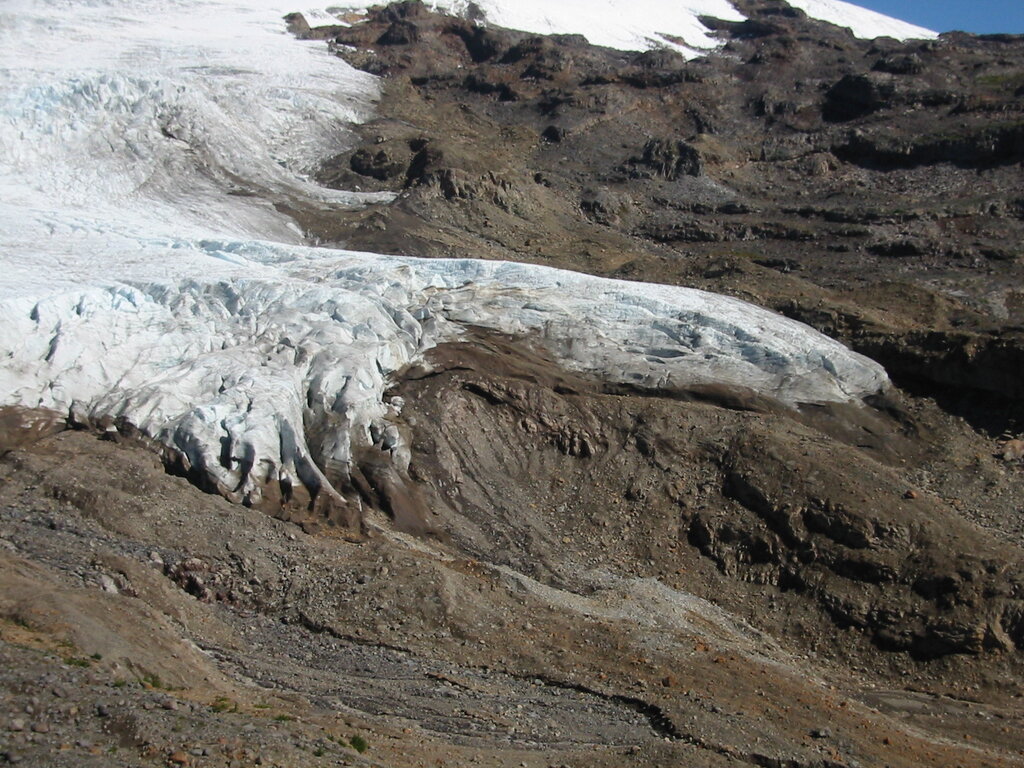
The second type are alpine glaciers, also known as valley glaciers. These are found in mountain ranges around the world. They flow down valleys, looking much like frozen rivers, and are powerful agents of landscape change.
From Snow to Ice
Glaciers begin their lives as simple snowflakes. For a glacier to form, more snow must fall in the winter than melts in the summer. Over many years, this accumulated snow builds up in thick layers.
The weight of the overlying snow puts immense pressure on the layers below. This pressure squeezes the air out from between the snow crystals, compacting them. The delicate snowflakes first transform into small, granular pellets.
This dense, grainy, transitional material is called firn. It's the intermediate stage between snow and glacial ice.
As more snow accumulates, the pressure continues to increase, and the firn recrystallizes into solid glacial ice. The ice crystals grow larger, and the last of the trapped air is forced out. This process can take decades or even centuries. The resulting ice is so dense that it absorbs all colors of the light spectrum except blue, giving many glaciers their distinctive blue hue.
Rivers of Ice
Despite appearing solid, glaciers are always on the move. Their movement is driven by gravity and the immense pressure from their own weight. There are two primary ways glaciers flow.
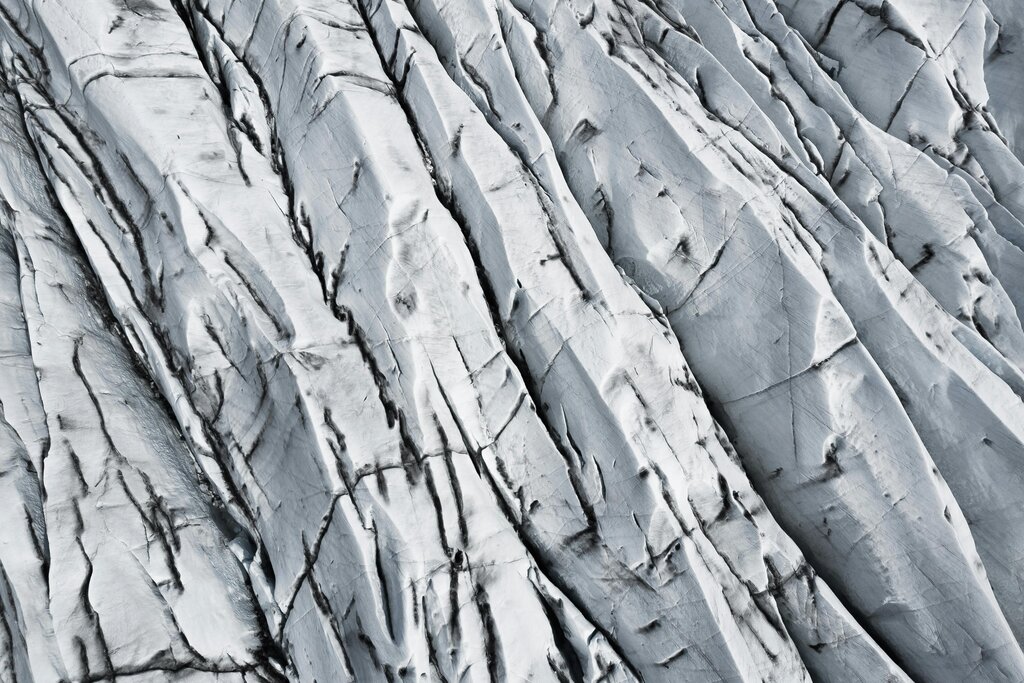
The first method is plastic flow, or internal deformation. The tremendous pressure inside the glacier causes the ice crystals to deform and slide past one another, allowing the ice to slowly flow like a thick, viscous fluid. The ice at the surface is brittle and cracks, forming crevasses, while the ice deeper down flows more plastically.
The second method is basal slip. In many glaciers, meltwater accumulates at the base, acting as a lubricant between the ice and the bedrock. This layer of water allows the entire glacier to slide downhill. Glaciers that move primarily by basal slip tend to move faster than those that move only by plastic flow.
Sculpting the Land
As glaciers move, they are powerful agents of erosion, fundamentally reshaping the landscape beneath them. They act like giant conveyor belts, scraping up rock and sediment and carrying it along. There are two main erosion processes.
Plucking occurs when meltwater from the glacier seeps into cracks in the bedrock. When this water refreezes, it expands, breaking apart the rock. These rock fragments then become frozen into the base of the glacier and are carried away as it moves.
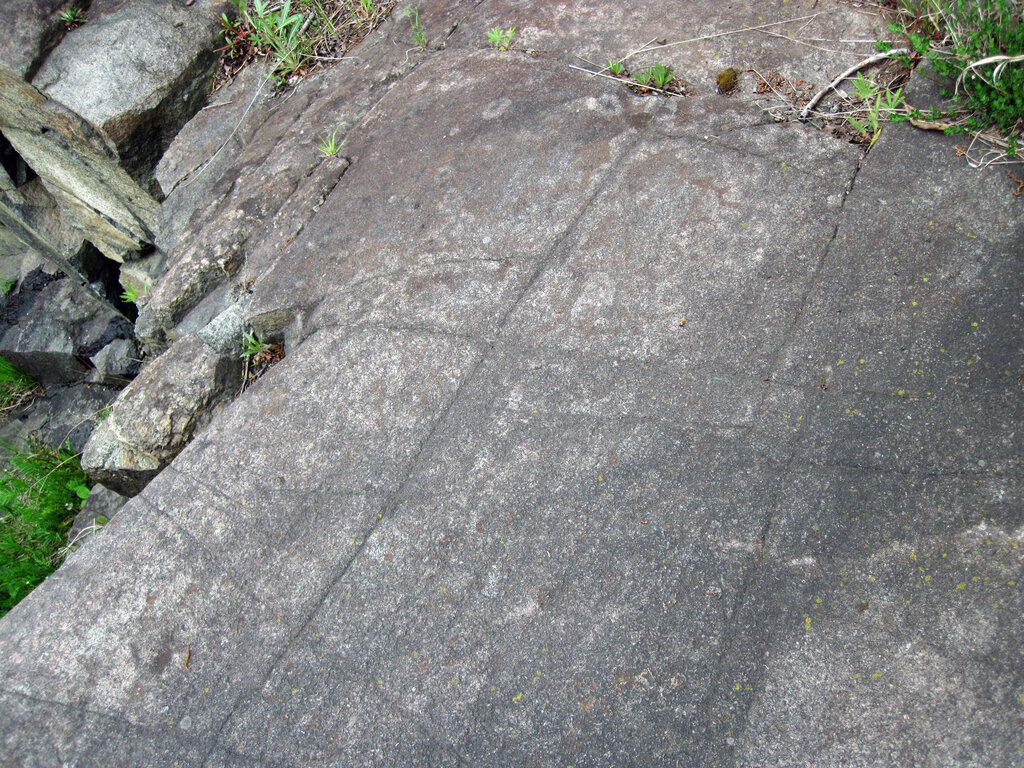
Abrasion is the process of the glacier grinding against the bedrock. The rock fragments embedded in the ice act like sandpaper, scratching and polishing the rock surface. This action can create long scratches called glacial striations and can grind rock into a fine powder known as rock flour.
Dropping the Load
Just as glaciers pick up material, they also deposit it. When a glacier melts and retreats, it can no longer carry its load of sediment. This deposited material is called glacial till.
Glacial till is a distinctive mixture of clay, sand, gravel, and boulders of all sizes. Unlike sediment deposited by water, which is sorted by size, till is unsorted because the ice drops everything at once. This till is the building block for many glacial landforms, including the moraines we'll explore later.
What is the primary characteristic that defines a glacier?
The two main types of glaciers are continental ice sheets and ________ glaciers.