Understanding Gen Z Trends and Slang
Understanding Gen Z
Meet Generation Z
Generation Z includes anyone born between the mid-1990s and the early 2010s. They are the first generation to grow up entirely in the digital age, a fact that shapes everything about how they see the world. Unlike Millennials who adapted to social media and smartphones, Gen Z has never known a world without them. This isn't just a fun fact; it's the foundation of their identity.
For Gen Z, the line between the physical and digital worlds is blurry, and often nonexistent.
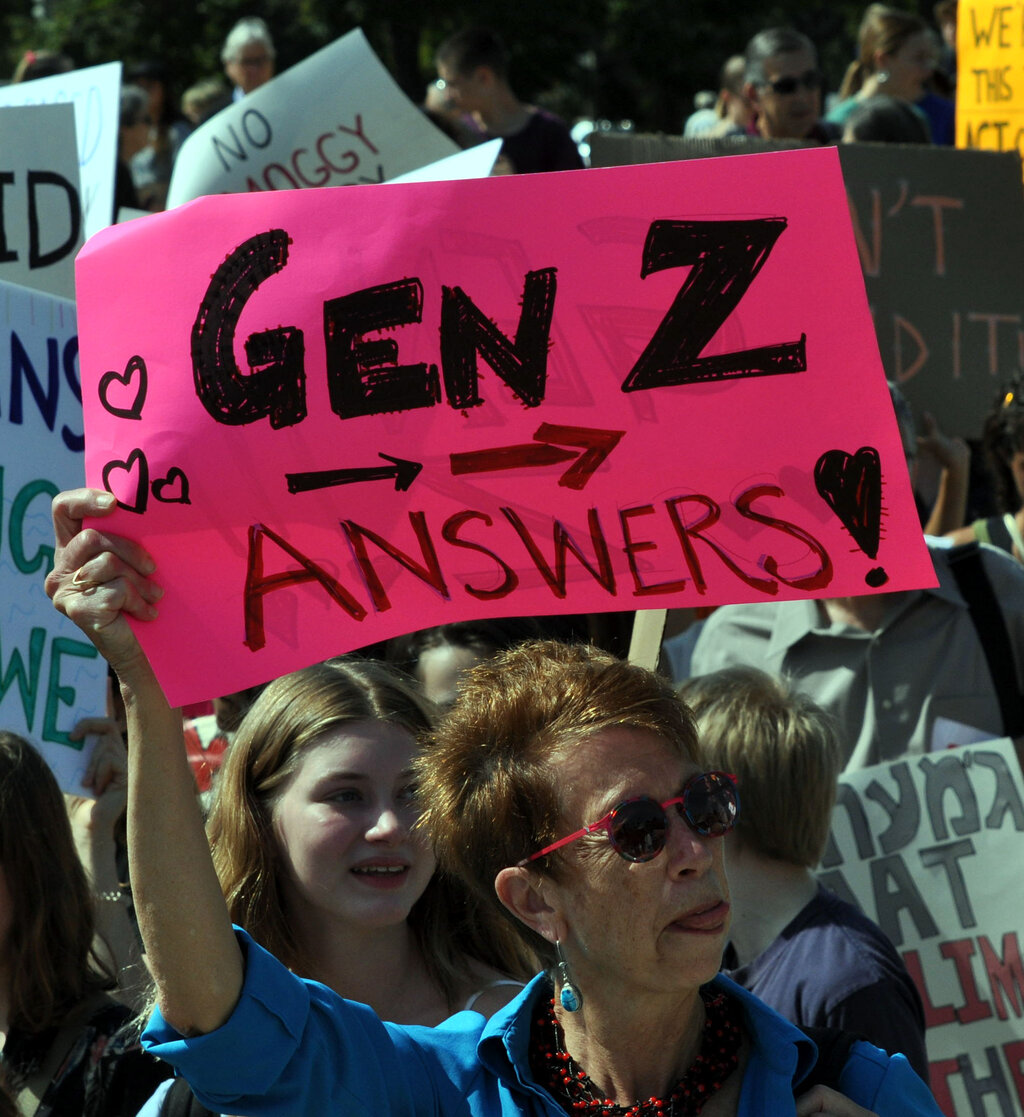
Not Just Younger Millennials
It's easy to lump Gen Z in with Millennials, but that would be a mistake. They have distinct characteristics that set them apart.
First, they are the most racially and ethnically diverse generation in history. This diversity fosters a natural inclination toward inclusivity and an expectation that brands, leaders, and institutions will reflect and respect that reality.
Second, they are highly socially conscious. Having grown up with access to endless information and witnessing global events unfold in real time, they are pragmatic and value-driven. They care deeply about issues like social justice, climate change, and mental health.
Gen Z isn’t just buying products; they’re buying into brands that reflect their values.
This leads to a key difference in mindset. While Millennials were often characterized by idealism, Gen Z is defined by its pragmatism. They seek authenticity, transparency, and action from the people and brands they interact with.
Shaping Culture and Commerce
Gen Z's influence already outweighs their age. As consumers, they “vote with their wallets,” choosing to support businesses that align with their ethical standards. This has forced companies to rethink everything from their supply chains to their marketing messages.
In the workplace, they seek purpose-driven careers and flexible environments. As creators, they drive trends on platforms like TikTok and YouTube, shaping language, fashion, and entertainment. Their digital fluency allows them to mobilize quickly, turning niche ideas into global conversations overnight.

Understanding this generation isn't just about learning new slang or marketing tactics. It's about recognizing a fundamental shift in values and communication. To lead or market effectively in the coming years, you need to understand the worldview of the people who are actively shaping it.
What is the most significant factor that distinguishes Generation Z from previous generations like Millennials?
Generation Z's pragmatic worldview leads them to prioritize ___________ from the brands and leaders they follow.