Understanding Gen Z Slang and Trends
Understanding Gen Z
Who is Gen Z?
Generation Z includes anyone born between 1997 and 2012. They are the cohort that follows Millennials and precedes Generation Alpha. As they enter adulthood and the workforce, their influence on culture, politics, and the economy is growing rapidly.
Generation Z
noun
The demographic cohort succeeding the Millennials, generally defined as people born from the mid-to-late 1990s to the early 2010s.
Unlike previous generations defined by a single major event, Gen Z’s identity was shaped by a constant stream of global connectivity, economic uncertainty, and social change. They don't remember a time before the internet, and this reality forms the bedrock of their experience.
Digital Natives
Older generations learned to use technology; Gen Z grew up in it. They are the first true "digital natives," with no memory of a world without smartphones, high-speed internet, and social media. This isn't just about being tech-savvy; it fundamentally shapes how they communicate, learn, and interact with the world.
For them, the digital and physical worlds are not separate realms. They blend seamlessly. Friendships, communities, and identities are built and maintained both online and off. This constant connectivity means information is instant, and communication is fluid and visual, often happening across multiple platforms at once.
Gen Z is the first generation to grow up in a fully digital world, surrounded by smartphones, tablets, and social media.
This fluency with digital tools gives them an intuitive understanding of how to navigate online spaces, create content, and build networks. It also means they have an 8-second attention span for content that doesn't immediately capture their interest. They are masters of filtering through immense amounts of information to find what's relevant and engaging to them.

A Generation of Values
Gen Z is the most racially and ethnically diverse generation in history. This diversity is not just a statistic; it’s a lived experience that fosters a deep appreciation for inclusivity and representation. They grew up in a world where conversations about identity, equity, and social justice are mainstream, and they expect the same level of awareness from the institutions and brands they interact with.
authenticity is paramount. Having been exposed to curated online personas from a young age, they have a sharp filter for anything that seems fake or forced. They value transparency, vulnerability, and honesty in their leaders, their peers, and themselves.
Authenticity isn't a buzzword for Gen Z; it's a baseline expectation. They connect with what's real and relatable, not what's perfect.
This generation is also profoundly aware of global challenges. Issues like climate change, economic inequality, and mental health are not abstract concepts but urgent realities. They are pragmatic and action-oriented, driven by a desire to create a more sustainable and equitable future. This consciousness influences their career choices, purchasing decisions, and civic engagement.
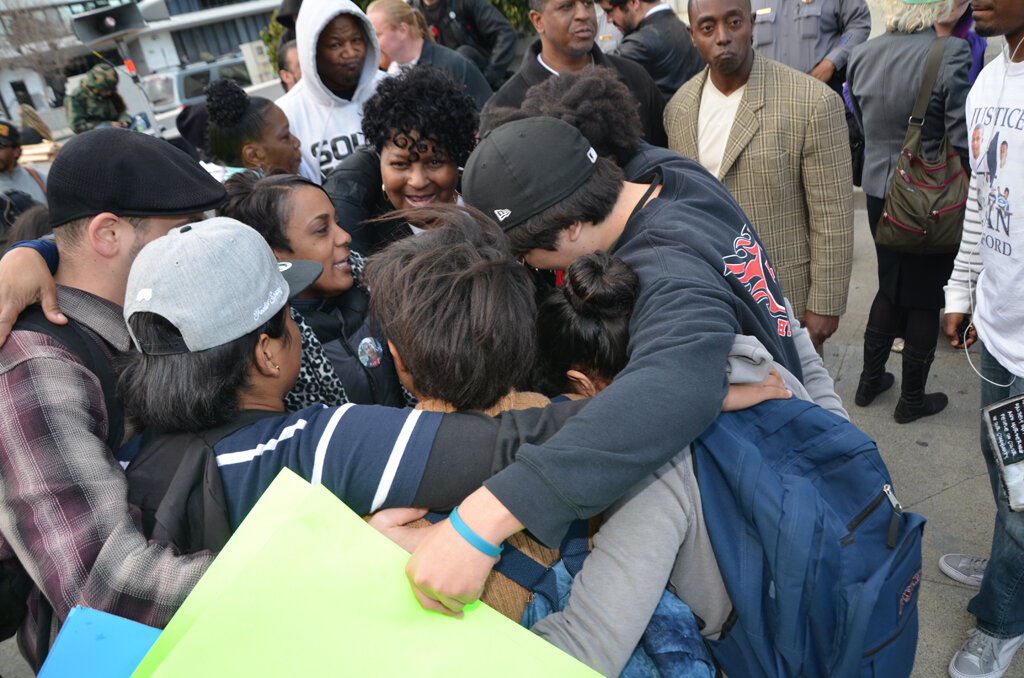
Understanding Gen Z means looking beyond stereotypes. They are a generation of digitally fluent, diverse, and value-driven individuals who are actively shaping the world around them.