Understanding GDP in Macroeconomics
Introduction to GDP
What Is GDP?
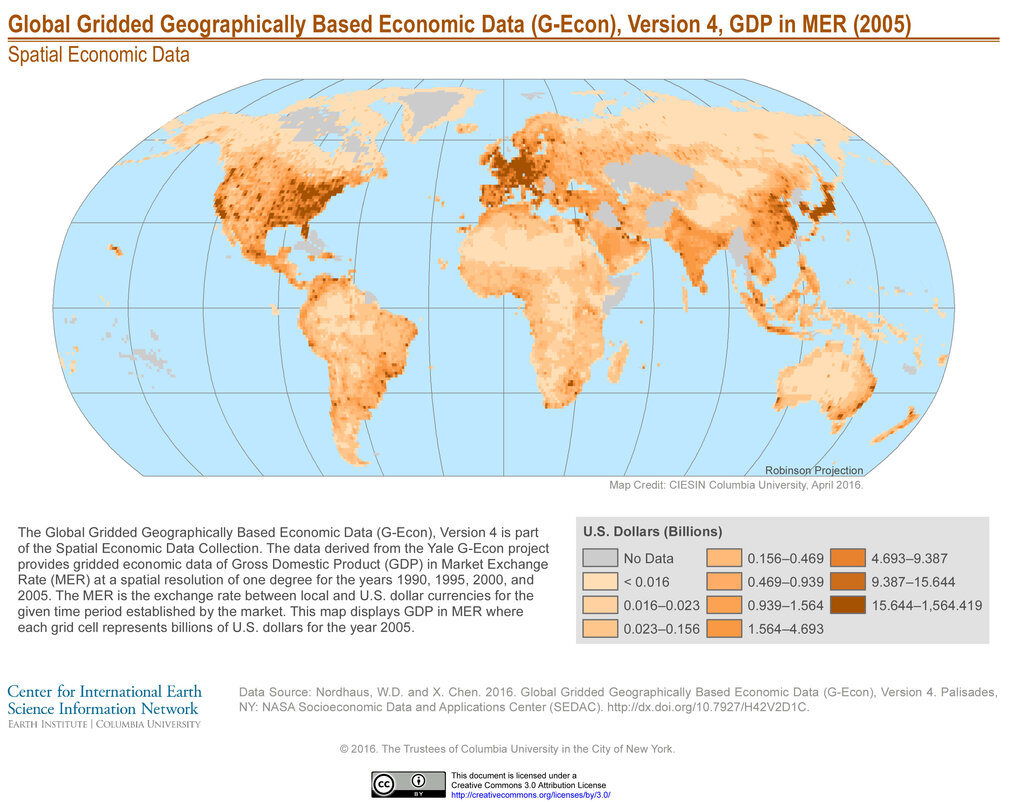
Gross Domestic Product, or GDP, is a way to measure the size of a country's economy. Think of it as the total price tag on everything a country produces in a specific time, like a year or a quarter. It adds up the market value of all final goods and services produced within a country’s borders.
A “final good” is something sold to the end user. The bread you buy at the store is a final good. The flour the bakery bought to make that bread is an “intermediate good,” and it’s not counted separately in GDP to avoid double-counting.
The “within a country’s borders” part is also important. It means we only count what's made on that country's soil, regardless of who owns the company. A car made in a Japanese-owned factory in the United States counts toward U.S. GDP. A car made in a U.S.-owned factory in Mexico counts toward Mexico's GDP.
The Gross Domestic Product (GDP) is one the primary indicators used to gauge the health of a country’s economy.
Economists, governments, and investors all watch GDP closely. A rising GDP suggests the economy is growing, which can mean more jobs and higher incomes. A falling GDP signals a shrinking economy, which could lead to a recession.
A Quick History
The concept of GDP is relatively new. It was developed in the 1930s by an economist named Simon Kuznets. At the time, the U.S. government was struggling to understand the full impact of the Great Depression. They needed a reliable way to measure the country's economic output.
Kuznets’s work provided a single, comprehensive figure that could be tracked over time. This new tool gave policymakers a clearer picture of what was happening, helping them shape policies to pull the country out of the downturn. Over time, other nations adopted this system, and GDP became the global standard for measuring economic size and growth.
Nominal vs. Real GDP
When comparing GDP over time, there's a problem: prices change. This is called inflation. If a country's GDP doubles in ten years, did it actually produce twice as much stuff, or did prices just double? To answer that, economists use two types of GDP.
Inflation
noun
The rate at which the general level of prices for goods and services is rising, and subsequently, purchasing power is falling.
Nominal GDP measures a country's output using current prices, without adjusting for inflation. It's a simple snapshot, but it can be misleading when you compare numbers from different years.
Real GDP is adjusted for inflation. It measures output using the prices from a specific base year. This gives us a much more accurate view of whether an economy is actually growing in terms of the volume of goods and services it produces.
Imagine an economy that only produces 100 pizzas. In 2023, each pizza costs 💲10. The nominal GDP is 💲1,000. In 2024, it still produces 100 pizzas, but now they cost 💲12 each. The nominal GDP is 💲1,200. It looks like the economy grew, but the real GDP (measured in 2023 prices) is still 💲1,000 because the actual output didn't change.
Because it strips out the effect of changing prices, real GDP is the number economists focus on when discussing economic growth.
What does Gross Domestic Product (GDP) primarily measure?
A car is produced by a German-owned company in a factory located in South Carolina, USA. Which country's GDP does this car contribute to?