Understanding Frequency
Introduction to Waves
What is a Wave?
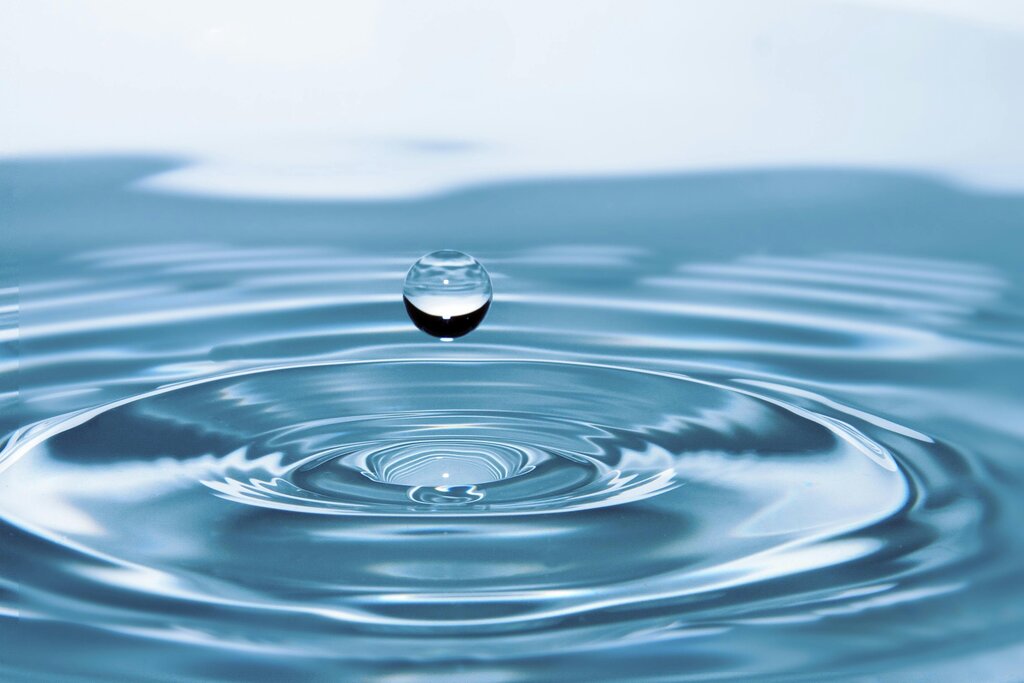
A wave is a disturbance that travels from one place to another, carrying energy with it. Think about dropping a pebble into a calm pond. The pebble creates a disturbance, and ripples spread outward from that point. The water itself doesn't travel across the pond; each water molecule mostly just moves up and down. What's really moving is the energy from the initial splash.
Another great example is the “wave” at a sports stadium. People stand up and sit down in sequence, making it look like a ripple is moving through the crowd. But the people aren't running around the stadium; they stay in their seats. The wave is just the pattern of disturbance, a transfer of energy and motion from one person to the next.
Types of Waves
Waves come in two main families: mechanical and electromagnetic.
Mechanical waves need a substance to travel through. This substance is called a medium. The medium can be a solid, a liquid, or a gas. Sound is a mechanical wave; it needs air (or water, or a solid wall) to carry it. Without a medium, there's no sound. Ocean waves travel through water, and the seismic waves from an earthquake travel through the Earth itself. In all these cases, the wave is a vibration moving through the material.

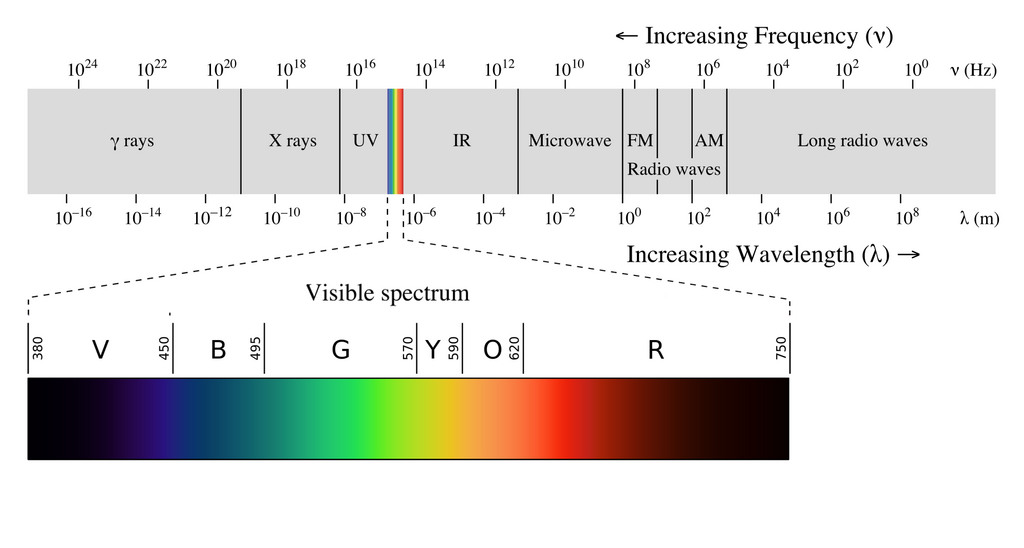
Electromagnetic (EM) waves are different. They don't need any medium at all. They can travel through the empty vacuum of space. This is how light from the sun reaches us. EM waves are disturbances in electric and magnetic fields. This family includes not just visible light, but also radio waves, microwaves, X-rays, and gamma rays. They are all the same fundamental type of wave, just with different properties.
Describing a Wave
To talk about waves, we need some specific terms to describe their shape and movement. Three of the most basic are amplitude, wavelength, and speed.
Amplitude
noun
The maximum displacement or distance moved by a point on a vibrating body or wave measured from its equilibrium position.
Amplitude is essentially the wave's intensity. For a water wave, it's the height of a crest above the calm water level. For a sound wave, amplitude corresponds to how loud the sound is. A wave with a large amplitude carries more energy than a wave with a small amplitude.
Wavelength
noun
The distance between successive crests of a wave, especially points in a sound wave or electromagnetic wave.
Wavelength, often represented by the Greek letter lambda (), is the distance from one point on a wave to the identical point on the next wave. For example, it's the distance from the top of one crest to the top of the next one. Wavelength tells you how spread out or compressed the wave is.
Finally, speed is how fast the disturbance is moving. The speed of a wave depends on the type of wave and the properties of the medium it's traveling through. For instance, sound travels much faster through water than it does through air.
For all electromagnetic waves traveling in a vacuum, the speed is the same: the speed of light.
These three properties—amplitude, wavelength, and speed—are the fundamental building blocks for describing and understanding any wave you might encounter.
What does a wave primarily transfer from one place to another?
What is the fundamental difference between mechanical and electromagnetic waves?