Understanding Free Offerings
Understanding Free Products
The Power of Free
The word "free" is one of the most powerful in marketing. It grabs our attention instantly. A free product or service is something you can use without paying any money. It could be a software trial, a social media account, or a sample at a grocery store.
But "free" does more than just save us money. It triggers a strong emotional response. We often see zero as more than just a low price; we see it as a special opportunity. This can make us choose a free item even if a slightly more expensive option is actually a better deal. We irrationally overvalue things that cost nothing.
Why Offer Something for Free?
If the pull of "free" is so strong for consumers, what's in it for the company? Businesses rarely give things away out of pure generosity. Offering a free product is a deliberate strategy with clear goals.
The most common reason is to attract new customers. A free offer lowers the barrier for someone to try what you're selling. There's no risk. People who might never pay for an unknown product will happily sign up for a free version. This builds a large user base, some of whom may eventually decide to pay for more features or a better version.
Think of it like a free concert in a park. It draws a crowd, creates a positive atmosphere, and introduces people to a new band. Some of those listeners will become fans, buy albums, and pay for tickets to future shows.
Free offerings also build brand awareness and loyalty. When people use and enjoy a free product, they become familiar with the company behind it. This positive experience can make them more likely to choose that brand in the future, even for paid products.
The Hidden Costs
A free offer rarely comes with no strings attached. While you might not pay with money, you often pay with something else of value: your personal information, your attention, or your time.
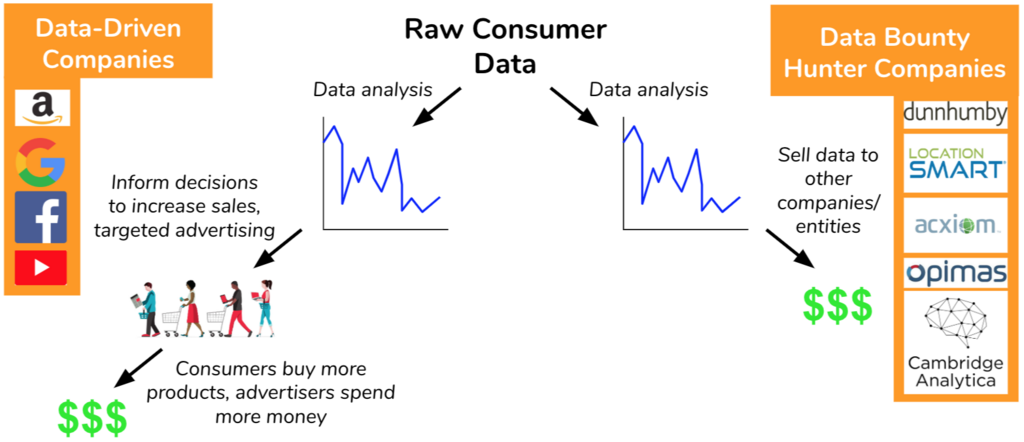
Many free digital services, like social media platforms and search engines, make money by collecting data about your behavior. They track what you search for, what you like, and who you connect with. This information is then used to sell highly targeted advertising. In this model, your attention is the product being sold to advertisers.
Other times, the free product is a limited version of a more powerful paid product. The free tier gives you a taste, but it might lack key features, be filled with ads, or have usage caps. The goal is to get you hooked on the service so that you'll eventually upgrade to a paid plan to unlock its full potential.
Whenever you see a free offer, it's wise to ask a simple question: What does the company get in return? Understanding the exchange helps you make a more informed decision about whether the "free" item is truly worth the hidden cost.
According to the text, why is the concept of "free" so powerful in marketing?
What is one of the primary business goals for offering a product for free?